What Are the Best Lighting Products from China?

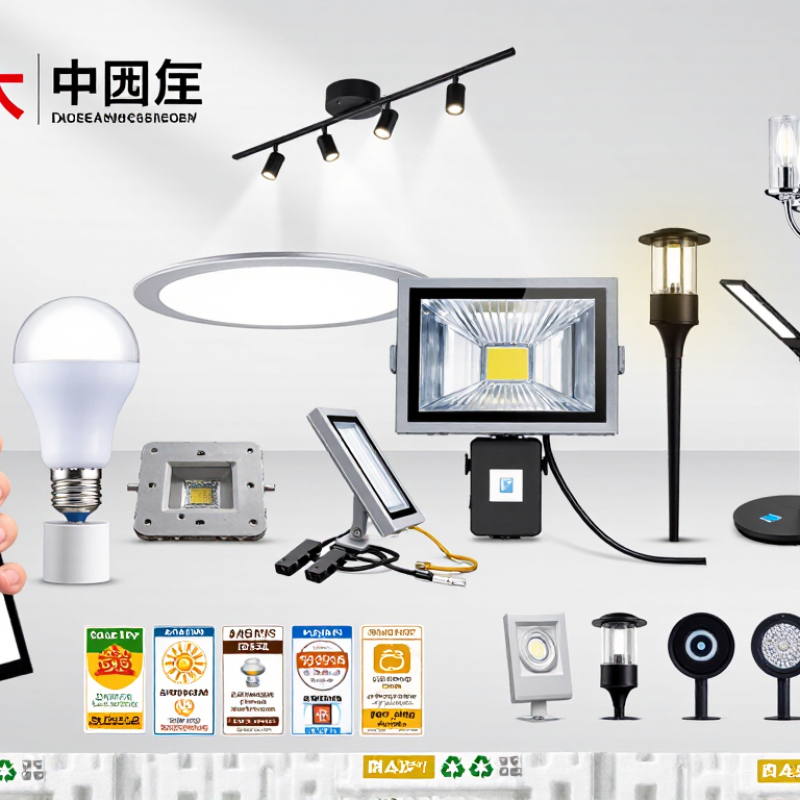
China remains one of the world’s largest sources of lighting for homes, offices, hotels, factories, and public spaces. Its factories produce LED bulbs, panel lights, floodlights, track lights, chandeliers, garden fixtures, and smart systems. Many buyers value China for broad customization, competitive pricing, and fast product development. However, the best Lighting Products are not always the cheapest options.

A reliable evaluation begins with practical details. Check luminous output, color temperature, beam angle, power efficiency, heat management, and expected service life. A warm 3000K wall light can create a comfortable hotel atmosphere. A 5000K panel may suit a warehouse or workshop better. Housing materials also matter. Aluminum bodies often release heat more effectively than thin plastic shells. Ask suppliers for test reports, product samples, warranty terms, and clear documentation for the destination market. Independent factory audits can reveal assembly quality, packaging methods, and production consistency.

Small details often expose major differences. Inspect soldering, cable insulation, diffuser clarity, mounting hardware, and printed labels. Confirm whether a smart lamp works with your preferred platform before placing a large order. Certifications should be relevant, current, and verifiable. Yet sourcing remains imperfect. Samples may perform better than mass production. Specifications can change without careful communication. Even experienced buyers can overlook installation conditions or local recycling requirements. This guide compares leading Chinese lighting categories through product quality, supplier reliability, design flexibility, energy performance, and after-sales support. The goal is not to praise every manufacturer. It is to help readers make informed decisions with realistic expectations.
What Are the Best Lighting Products from China?

What Makes Chinese Lighting Products Competitive?

What Makes Chinese Lighting Products Competitive?

Chinese lighting products compete strongly through integrated manufacturing. Many suppliers source LEDs, drivers, housings, lenses, and packaging within the same industrial regions. This shortens production cycles and reduces transportation between factories. It also makes design changes more practical. A buyer can request a different beam angle, color temperature, or housing finish without rebuilding the entire supply chain.

Cost is important, but it is not the only advantage. Chinese manufacturers often offer flexible order quantities, private-label packaging, and rapid prototype development. Their engineering teams can adapt products for hotels, warehouses, offices, gardens, and retail spaces. In sourcing work, sample evaluation reveals more than a catalog. Check cable glands, soldering, heat dissipation, diffuser clarity, and driver noise. Small details matter. Poor thermal design can shorten LED life, even when the advertised wattage looks attractive.

Competition also comes from export experience and broad compliance knowledge. Reliable suppliers can provide photometric files, electrical test reports, material declarations, and documentation for destination-market requirements. However, quality remains uneven. A low quotation may reflect cheaper capacitors, weaker seals, or incomplete testing. I have found that buyers sometimes focus too heavily on unit price and overlook maintenance costs. That is a mistake. Independent sample testing, factory audits, and clear warranty terms create stronger purchasing decisions. Even then, specifications should be reviewed carefully, because product performance can vary between production batches.

Which Types of Lighting Products Are Made in China?

China produces a broad range of lighting products for homes, offices, factories, streets, and retail spaces. Common options include LED bulbs, tube lights, recessed downlights, panel lights, track lights, floodlights, and high-bay fixtures. Decorative products are also widely manufactured, including pendant lamps, wall sconces, cabinet lights, and outdoor garden fixtures. During a recent sourcing project, I noticed that similar-looking lights differed greatly in heat control and diffuser quality.

Commercial and industrial lighting often includes warehouse high bays, waterproof battens, streetlights, stadium fixtures, and emergency lighting units. Many Chinese factories also make solar-powered outdoor lamps and systems with motion sensors or adjustable color temperatures. The stronger manufacturers provide photometric files, electrical test records, and clear information about LEDs, drivers, and materials. That matters. Reliable documentation makes product comparisons less dependent on attractive photographs.

When evaluating these products, I check lumen output, color rendering, flicker performance, beam angle, operating temperature, and ingress protection. A high lumen number can mislead if the fixture overheats after several hours. Samples reveal flaws. I once approved a compact downlight too quickly, then found uneven brightness around its edge. Testing several samples under real conditions is safer than trusting one perfect unit. Buyers should also inspect wiring, solder points, mounting hardware, and packaging before placing a larger order.

How to Compare Quality, Design, and Energy Efficiency

What Are the Best Lighting Products from China?

Comparing lighting products requires more than checking the lowest quotation. I request a sample before discussing large orders. The sample reveals construction quality, color consistency, and heat control.

Examine the housing, diffuser, wiring, and driver carefully. A solid aluminum heat sink should feel substantial, not unusually light. Loose parts often signal weak assembly.

Measure brightness in lumens, not advertised wattage alone. Efficient LED products commonly provide strong lumens per watt, but numbers need verification.

Ask for independent test reports covering electrical safety, flicker, and lifetime claims. Check color rendering, especially for retail, hospitality, and residential spaces. A high CRI rating can make fabrics and food appear more natural.

Select the color temperature carefully. Warm light feels comfortable, while cooler light supports task visibility. Small details matter.

Design should serve the room, not merely attract attention. Confirm beam angle, mounting options, dimming compatibility, and ingress protection for damp locations.

Energy efficiency also depends on the driver and operating schedule. A poorly matched dimmer can waste energy or create visible flicker.

I once trusted a polished specification sheet and overlooked inconsistent color between samples. That mistake affected the entire installation.

No checklist is perfect. Compare several samples, request production records, and clarify warranty support in writing. A dependable supplier should explain test methods, replacement procedures, and expected performance without avoiding difficult questions.

Which Safety Standards and Certifications Should Buyers Check?

When sourcing lighting products from China, certification details deserve more attention than appearance or price. Ask for the exact model number on every test report. The report should match the lamp, driver, voltage, wattage, and color temperature you intend to buy. Small changes can invalidate earlier testing.

For European sales, check evidence related to CE requirements, including electrical safety, electromagnetic compatibility, and hazardous-substance limits. CE marking is usually a manufacturer’s declaration, not automatic proof from an independent laboratory. Request supporting reports and verify the laboratory’s ISO/IEC 17025 accreditation. Photobiological safety testing, often based on IEC 62471, matters for strong LED products. For other markets, requirements may include national electrical approvals, energy labels, or recognized safety listings. Do not accept a generic certificate covering an entire product family without checking its scope.

Ingress protection ratings should follow IEC 60529, especially for outdoor fixtures. An IP65 claim should appear in a credible test document, not only on a product page. Check the rated lifetime, thermal testing, surge protection, flicker performance, and replacement-part availability. A factory audit can reveal loose wiring, poor insulation, or inconsistent assembly that certificates miss. It happens. Ask for recent production samples and compare them with the tested unit. I would also inspect the certificate issuer, test date, model description, and measurement conditions. A polished PDF can still hide gaps. Photographing labels and packaging during inspection creates useful evidence for later quality disputes.

How to Choose a Reliable Chinese Lighting Manufacturer

Choosing a reliable Chinese lighting manufacturer requires more than comparing prices. The International Energy Agency estimates that lighting uses about 15% of global electricity. Efficient products therefore need stable performance, not only attractive wattage claims. Ask for LM-80 and TM-21 reports, photometric files, and test records from independent laboratories. These documents reveal LED lumen maintenance, color consistency, and expected service life.

I have found factory visits especially useful. Check the aging-test area, driver assembly line, and incoming-material records. A serious supplier can explain its LED bins, thermal design, and quality-control checkpoints clearly. ISO 9001 certification is helpful, but it is not proof of every product’s quality. Verify the certificate’s scope and validity. Request samples from different production batches. One sample can look perfect. That is not enough evidence. My own mistake was trusting a polished showroom before checking failure data.

Tips: Define measurable requirements before requesting quotations. Include lumen output, color tolerance, power factor, IP rating, warranty terms, and acceptable defect rates. Confirm compliance with the destination market’s safety and environmental rules. The U.S. Department of Energy’s solid-state lighting research shows that thermal management strongly affects LED performance. Ask how heat is tested during continuous operation. A video call helps, but an independent pre-shipment inspection is safer. Leave room for improvement; even a reliable factory may need clearer documentation.

What Are the Best Lighting Products from China? – How to Choose a Reliable Chinese Lighting Manufacturer
Product Category Typical Power Range Typical Luminous Efficacy Recommended Color Performance Protection and Durability Common Applications Key Manufacturer Evaluation Points
LED Bulbs 4–20 W 80–120 lm/W CCT: 2700–6500 K CRI: ≥80 Indoor use; enclosed-fixture compatibility should be confirmed Residential rooms, hotels, offices, retail spaces Check lumen maintenance, thermal design, flicker performance, driver quality, and test reports for the target market.
LED Downlights 5–30 W 80–110 lm/W CCT: 2700–5000 K CRI: ≥80 CRI: ≥90 for retail Indoor; IP44 or higher is commonly selected for damp areas Homes, offices, restaurants, shops, corridors Review cut-out dimensions, glare control, beam angle, heat dissipation, dimming compatibility, and replacement-part availability.
LED Panel Lights 24–60 W 90–120 lm/W CCT: 3000–6500 K CRI: ≥80 UGR <19 for many offices Indoor; low-glare versions are preferred for workstations Offices, schools, hospitals, commercial interiors Verify UGR test conditions, uniformity, flicker, power factor, emergency options, ceiling compatibility, and driver replacement access.
LED Floodlights 30–1,000 W 100–160 lm/W CCT: 3000–6500 K CRI: ≥70 or ≥80 Typically IP65 or IP66; IK08 or higher may be required in exposed locations Warehouses, building façades, sports areas, yards, construction sites Assess surge protection, waterproof cable glands, corrosion resistance, thermal management, optical distribution, and actual photometric files.
LED High-Bay Lights 100–300 W 120–170 lm/W CCT: 4000–6500 K CRI: ≥80 IP65 or higher is common; operating-temperature range must match the facility Factories, logistics centers, warehouses, workshops Confirm mounting height, beam angle, thermal test data, power factor, surge protection, sensor compatibility, and maintenance access.
LED Street Lights 30–300 W 120–180 lm/W CCT: 2200–5000 K CRI: ≥70 Usually IP66; IK08–IK10 may be specified for public infrastructure Roads, residential streets, parking areas, pathways Request road-lighting calculations, IES/LDT files, surge protection data, photocell options, pole compatibility, and salt-spray testing where relevant.
LED Strip Lights 4–24 W/m 60–120 lm/W CCT: 2200–6500 K CRI: ≥90 for premium interiors IP20 for dry interiors; IP65–IP68 versions are available for moisture exposure Cabinet lighting, signage, coves, retail displays, hospitality interiors Check LED density, voltage drop, reel length, adhesive quality, aluminum profile requirements, power-supply sizing, and color consistency.
Architectural and Decorative Fixtures 5–100 W 70–120 lm/W CCT: 2700–4000 K CRI: ≥90 for high-end décor Indoor or outdoor versions; IP rating must match the installation environment Hotels, restaurants, galleries, residences, commercial façades Evaluate finish consistency, color tolerance, glare control, custom tooling capability, sample approval, and batch-to-batch consistency.
Solar LED Street Lights 20–200 W LED load 100–170 lm/W CCT: 3000–6500 K CRI: ≥70 Outdoor IP65 or higher; battery enclosure and charging system require separate evaluation Rural roads, parks, pathways, remote outdoor areas Verify solar-panel rating, battery chemistry, autonomy days, controller efficiency, low-temperature performance, and lighting profiles.
Commercial Kitchen and Cleanroom Fixtures 20–100 W 90–140 lm/W CCT: 4000–6500 K CRI: ≥80 IP65–IP69K may be required depending on cleaning procedures and exposure Food-processing areas, laboratories, healthcare facilities, industrial clean zones Confirm hygienic housing design, gasket materials, chemical resistance, ingress testing, cleanability, and installation compliance.
Practical sourcing note: The specifications above are typical procurement ranges rather than universal product guarantees. Before placing an order, request independent test reports, photometric files, samples, production inspection records, warranty terms, and documentation applicable to the destination market. Confirm electrical requirements, safety compliance, electromagnetic compatibility, energy performance, and installation conditions for the specific project.