


How to Choose Boutique Lighting for Global Sourcing?
Choosing Boutique Lighting for global sourcing is not simply a search for attractive fixtures. It is a controlled decision involving design, performance, safety, logistics, and supplier credibility. A hand-finished pendant may look perfect in a showroom, yet its driver could fail after repeated dimming. That detail matters.
The International Energy Agency reports that lighting uses about 15% of global electricity. Its Energy Efficiency 2023 analysis also highlights LEDs as a major route toward lower energy demand. The U.S. Department of Energy’s solid-state lighting research shows why efficacy, lifetime testing, and thermal management deserve attention during procurement. These findings make technical specifications as important as visual appeal.
Sally Storey, lighting designer and former Design Director at John Cullen Lighting, has said, “Lighting is the jewellery of architecture.” The phrase captures Boutique Lighting’s emotional value, but sourcing requires more than atmosphere. Buyers should compare CRI, colour temperature, lumen output, dimming compatibility, IP ratings, driver quality, and documented test results. IEC, UL, UKCA, CE, or other market requirements must match the destination country and product category.
Ask for a physical sample.
Then test it in a realistic room.
Review factory audits, production capacity, minimum order quantities, packaging strength, spare parts, and lead times. A supplier with beautiful photographs may still lack stable quality control. Our first shortlist may be wrong, especially when finishes vary between batches. For that reason, pilot orders, inspection checkpoints, and written acceptance standards are essential. The best global sourcing decision balances distinctive design with measurable performance, transparent evidence, and dependable after-sales support.
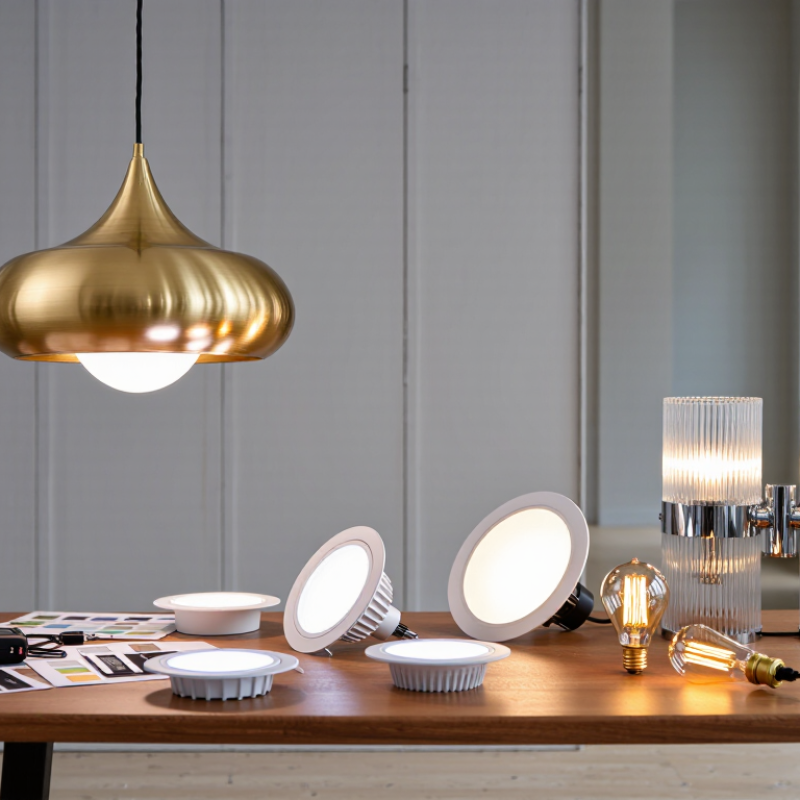
Defining Boutique Lighting and Its Role in Global Sourcing
Boutique lighting refers to distinctive fixtures produced in smaller quantities than mass-market products. It often combines crafted finishes, unusual proportions, and flexible customization. A hand-brushed metal pendant, for example, may show slight tonal differences between pieces. These details can create character, but they also require careful quality control.
In global sourcing, boutique lighting connects design intent with practical supply decisions. Buyers should review drawings, materials, socket types, voltage requirements, and installation methods before ordering samples. Safety documentation and independent testing should match the destination market. Packaging also matters. A fragile glass shade needs molded protection, moisture control, and clear handling instructions. From my sourcing experience, a beautiful prototype can still fail through inconsistent finishing or unclear assembly guidance. That lesson is easy to forget.
Tips: Request a production sample, not only a catalog image. Confirm color temperature, dimming compatibility, and replacement parts. Ask for realistic lead times and minimum order quantities. Check how the supplier controls batch consistency. Keep written approval records. Small details prevent expensive misunderstandings, although even careful buyers sometimes overlook one connection or measurement.
How to Choose Boutique Lighting for Global Sourcing? - Defining Boutique Lighting and Its Role in Global Sourcing
A practical reference table for evaluating boutique lighting products across international markets
| Lighting Category | Defining Boutique Characteristics | Typical Applications | Recommended Color Temperature | Recommended CRI | Common Electrical Configuration | Typical Indoor IP Rating | Global Sourcing Checkpoints |
|---|---|---|---|---|---|---|---|
| Decorative Pendant | Distinctive silhouette, visible materials, handcrafted details, and a strong visual role within the room. | Dining areas, reception spaces, kitchen islands, boutique hospitality interiors. | 2,200–3,000 K | CRI 90 or higher | LED module or replaceable lamp; dimming compatibility should be specified. | IP20 for dry indoor areas | Confirm ceiling-rose dimensions, suspension length, weight, ceiling compatibility, dimming method, and protective packaging for fragile components. |
| Statement Chandelier | Multi-light composition, sculptural form, layered illumination, and high decorative impact. | Dining rooms, hotel lobbies, stairwells, premium residential spaces. | 2,200–3,000 K | CRI 90 or higher | Multiple light sources; constant-voltage or constant-current LED systems may be used. | IP20 for dry indoor areas | Verify total weight, assembly sequence, spare parts, cable management, ceiling-load requirements, carton testing, and installation instructions. |
| Wall Sconce | Compact decorative fixture designed to combine ambient, accent, or wall-washing light. | Corridors, bedrooms, restaurants, bathrooms, and feature walls. | 2,700–3,000 K | CRI 90 or higher | Integrated LED or replaceable lamp; direct-wire and plug-in versions are available. | IP20 indoors; IP44 or higher where splash resistance is required | Check wall-box compatibility, mounting hardware, switch location, heat dissipation, surface finish consistency, and regional electrical requirements. |
| Decorative Table Lamp | Portable accent piece combining a visible base, shade, crafted finish, and localized task or ambient light. | Bedside tables, consoles, desks, lounges, and hospitality rooms. | 2,200–3,000 K | CRI 80–90+ | Replaceable lamp or integrated LED; commonly supplied with an in-line or base switch. | IP20 for dry indoor areas | Confirm plug type, cable length, voltage range, shade heat tolerance, tip-over stability, packaging protection, and user-replaceable components. |
| Decorative Floor Lamp | Vertical sculptural design that provides ambient, reading, or indirect illumination. | Living rooms, reading corners, hotel lounges, galleries, and offices. | 2,700–3,000 K | CRI 80–90+ | Replaceable lamp or integrated LED; foot switch, touch control, or rotary dimming may be included. | IP20 for dry indoor areas | Evaluate base stability, center of gravity, packed length, knock-down construction, cable routing, replacement parts, and shipping-carton efficiency. |
| Portable Rechargeable Lamp | Cordless, flexible, and often designed with a compact premium form for movable lighting applications. | Restaurants, outdoor dining areas, bedside use, terraces, and flexible hospitality settings. | 2,200–3,000 K | CRI 80–90+ | Rechargeable lithium battery, USB charging, touch control, and selectable brightness levels. | IP44 or higher for protected outdoor use | Request battery capacity, charging time, operating time, battery replacement policy, transport documentation, water-resistance testing, and charger compatibility. |
| Track or Accent Spotlight | Directional fixture with adjustable aiming, compact geometry, and emphasis on artwork or architectural details. | Retail displays, galleries, museums, hospitality interiors, and residential accent walls. | 2,700–4,000 K | CRI 90 or higher | Integrated LED or replaceable lamp; compatible with a specified track system or surface mount. | IP20 for dry indoor areas | Specify beam angle, glare control, track compatibility, color consistency, thermal management, driver location, and replacement availability. |
| Bathroom or Damp-Area Decorative Light | Decorative styling combined with moisture protection and materials suitable for humid environments. | Bathrooms, powder rooms, wellness areas, and covered exterior-adjacent spaces. | 2,700–3,500 K | CRI 90 or higher | Integrated LED or enclosed lamp; electrical configuration depends on the installation zone. | IP44 minimum for many splash-prone locations; higher ratings may be required by installation zone | Confirm the required IP level for the exact location, insulation conditions, corrosion resistance, mounting method, sealing quality, and local installation rules. |
Planning ranges are typical market references rather than universal specifications. Final selection should be based on the target country’s voltage, frequency, plug configuration, installation environment, safety requirements, energy regulations, packaging standards, and required lighting performance.
Related Posts
-
10 Best Lighting Showrooms: Transform Your Space with Style
-
Best Foyer Lighting Ideas to Illuminate Your Home Space?
-
2025 Top Foyer Lighting Ideas to Transform Your Home Entrance
-

Discover How to Source High Quality Foyer Lighting Suppliers Worldwide
-

Enhancing Ambiance with Restaurant Lighting Solutions
-
2026 Best Work Lighting Options for Home and Office?