Which Hospitality Chandeliers Are Best in 2026?
In 2026, the best Hospitality Chandeliers will do more than fill a ceiling. They will shape how guests read a space, from a quiet boutique lobby to a busy restaurant. Scale matters. A broad brass fixture can anchor a high-ceilinged entrance, while a low-glare cluster may suit a dining room better. The right choice depends on the room, the light, and the people using it.
Energy performance deserves equal attention. The U.S. Energy Information Administration’s 2018 Commercial Buildings Energy Consumption Survey reported that lighting accounted for about 17% of electricity use in commercial buildings. The U.S. Department of Energy says LED bulbs use at least 75% less energy and can last up to 25 times longer than incandescent bulbs. That comparison concerns bulbs, not every chandelier’s total performance, so fixture design and controls still matter. Dimming, replaceable components, and accessible mounting can affect operating costs and maintenance.
Looks are only part of the decision. A chandelier that photographs beautifully may create glare at a reception desk or feel oversized above a small table. Not just sparkle. This guide compares styles, materials, light quality, energy considerations, and practical upkeep to help identify strong options for 2026. The evidence cannot choose a fixture for every property; guest expectations and local conditions vary. That part is easy to overlook.
How Hospitality Chandeliers Are Defined and Classified
Which Hospitality Chandeliers Are Best in 2026?
How Hospitality Chandeliers Are Defined and Classified
A hospitality chandelier is a decorative ceiling fixture designed for shared spaces such as hotel lobbies, restaurants, and event rooms. There is no single universal classification system. In practice, designers sort fixtures by mounting style, form, light distribution, and service requirements. Suspended chandeliers hang from a stem or cable; semi-flush designs sit closer to the ceiling. Forms range from compact single-tier rings to broad, multi-tier compositions. Scale matters. A fixture should suit the room’s height and sightlines, not just look impressive in a product image.
Light quality and upkeep matter as much as shape. The U.S. Energy Information Administration’s 2018 Commercial Buildings Energy Consumption Survey reported that lighting used about 17% of commercial-building electricity. That figure covers all lighting, not chandeliers alone, but it shows why efficient sources and controls deserve attention. Classify fixtures by brightness, glare control, dimming compatibility, and access for cleaning or repairs. A sparkling crystal form may create glare over polished tables; a shaded or indirect design can feel calmer. A classification chart can seem too tidy—real spaces complicate things.
Tips: Check ceiling height, mounting support, and the fixture’s rated location before specifying it. For busy lobbies, ask how staff will reach lamps and clean surfaces. Test dimming at different times of day. Not just sparkle.
Which Hospitality Chandeliers Are Best in 2026?
How hospitality chandeliers are defined and classified: These decorative, fixed ceiling lights are commonly grouped by mounting format—single pendant, linear, tiered, or flush/semi-flush. The right choice depends on ceiling height, room layout, and the light distribution a space needs.
Illustrative sizing guide: A common room-sizing rule of thumb estimates chandelier diameter in inches by adding room length and width in feet. For example, a 30 × 24 ft dining room gives an estimated 54-inch diameter. These are example room dimensions, not universal specifications; adjust for ceiling height, furniture, circulation, and local safety requirements.
Key Performance Factors for Hospitality Chandeliers in 2026
In hospitality, a chandelier must look inviting and perform reliably through long operating hours. In 2026, assess light quality, glare, dimming, and service access together. A dining room may need warm, flattering light, while a lobby needs enough brightness for clear wayfinding. Check color consistency and color rendering with the actual finishes; a polished stone floor can reflect harsh points of light. A mock-up helps. So does viewing it at night.
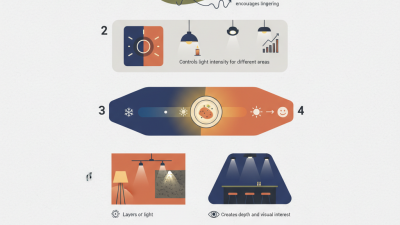
Specify the intended color temperature, output, and dimming range before selecting a fixture. Confirm that the driver and controls work smoothly at low levels, without flicker or sudden jumps. Ask for photometric data, then review it against the room layout and ceiling height. Numbers alone are not enough. A beautiful fixture can still create glare at seated eye level or leave dark patches between tables.
Durability and maintenance affect performance over time. Consider the weight, mounting method, finish, and access needed to replace lamps or clean individual elements. In coastal or humid locations, confirm that materials suit the environment. Ask the facilities team how routine cleaning will work; intricate glass details may take longer than expected. Not always obvious. Energy use matters, but so do dependable components, repair options, and a sensible warranty. Leave room for honest trade-offs: a dramatic design may demand more upkeep than the project can comfortably support.
Chandelier Types for Hotels, Restaurants, and Event Spaces
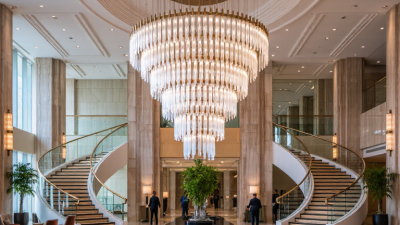
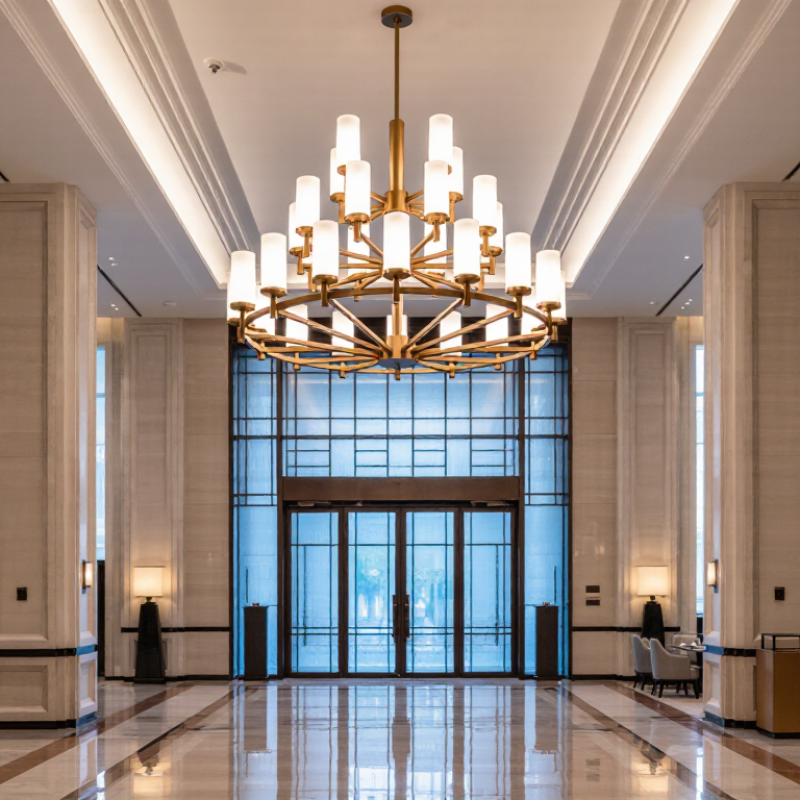
Hotel lobbies often suit oversized sculptural chandeliers or cascading fixtures that create a clear focal point above seating areas. In tall atriums, tiered glass designs can draw the eye upward without crowding the floor. Keep the lowest elements clear of walking routes and reception sightlines. A striking fixture matters, but glare on polished stone can quickly make the space feel less welcoming.
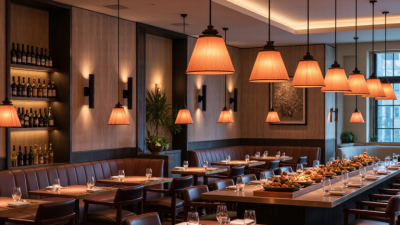
Restaurants usually benefit from more controlled forms. Linear chandeliers work well over long communal tables, while compact drum or clustered pendants can define smaller dining zones. Warm, dimmable light helps food look appealing and lets staff adjust the mood across service periods. Still, decorative glass collects dust and grease. Easy cleaning deserves attention before the final choice.
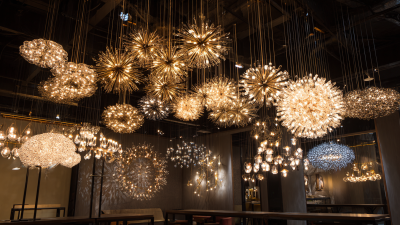
Event spaces need flexibility. Modular or multi-tier chandeliers can provide visual scale in ballrooms, while simpler fixtures suit rooms that change layouts often. Check ceiling height, access for maintenance, and how the fixture looks under both bright setup lighting and softer event settings. It is easy to overvalue drama in a showroom. The room’s actual proportions should have the final say.
How to Compare Design, Materials, Lighting, and Maintenance
Which Hospitality Chandeliers Are Best in 2026?
How to Compare Design, Materials, Lighting, and Maintenance
Choosing a hospitality chandelier in 2026 means balancing visual impact with everyday performance. A sculptural fixture can define a lobby, but it should not block signs or guests’ sightlines. Compare designs from the room’s actual viewing distance, not just from polished product photos. Consider ceiling height, table placement, and how the fixture looks in daylight and evening light. Details matter.
Materials affect both appearance and upkeep. Glass can brighten a space, while metal finishes may show fingerprints or dust more clearly. Ask how surfaces should be cleaned and whether parts can be replaced individually. For lighting, check dimming compatibility, color temperature, and whether the fixture spreads light evenly. A beautiful chandelier that leaves dark patches may disappoint. There is no finish that suits every room, and that choice can be harder than it looks.
Tips: Request a scale drawing before ordering. Confirm access for installation and routine cleaning. Test the light level in a representative area, if possible. For busy dining rooms, consider how easily staff can reach the fixture safely for maintenance. A small sample or mock-up may not capture the full effect, so review it under the room’s real lighting conditions.
How to Select the Best Chandelier for Each Hospitality Project
Which Hospitality Chandeliers Are Best in 2026?
Selecting a chandelier starts with the guest experience, not the fixture catalog. A lobby needs a clear focal point that remains comfortable from the entrance and reception desk. In a dining room, lower, warmer light can make tables feel intimate, but glare on glassware quickly spoils the effect. Measure ceiling height, table positions, and sightlines before choosing a diameter or suspension length. Small mock-ups help. They are not perfect, but they reveal awkward shadows early.
Energy use matters, especially in spaces with long operating hours. The U.S. Department of Energy’s Energy Saver guidance reports that LED lighting uses at least 75% less energy and can last up to 25 times longer than incandescent lighting. These figures describe LEDs generally, not every chandelier assembly. Check the fixture’s rated output, dimming compatibility, color consistency, and service access. A sealed decorative fitting may look refined, yet become frustrating when a driver needs replacement.
Match the finish and scale to the project’s daily wear. A coastal restaurant may need easy-clean surfaces; a grand hotel lobby can support a larger sculptural form. The U.S. Energy Information Administration’s Commercial Buildings Energy Consumption Survey tracks energy use across lodging buildings, a useful reminder that lighting choices sit within a larger operating picture. Ask the design team to test the chandelier at different dimming levels, then review it from seated and standing positions. The first choice may need revision.