Top 10 Hospitality Chandeliers for Hotels and Resorts

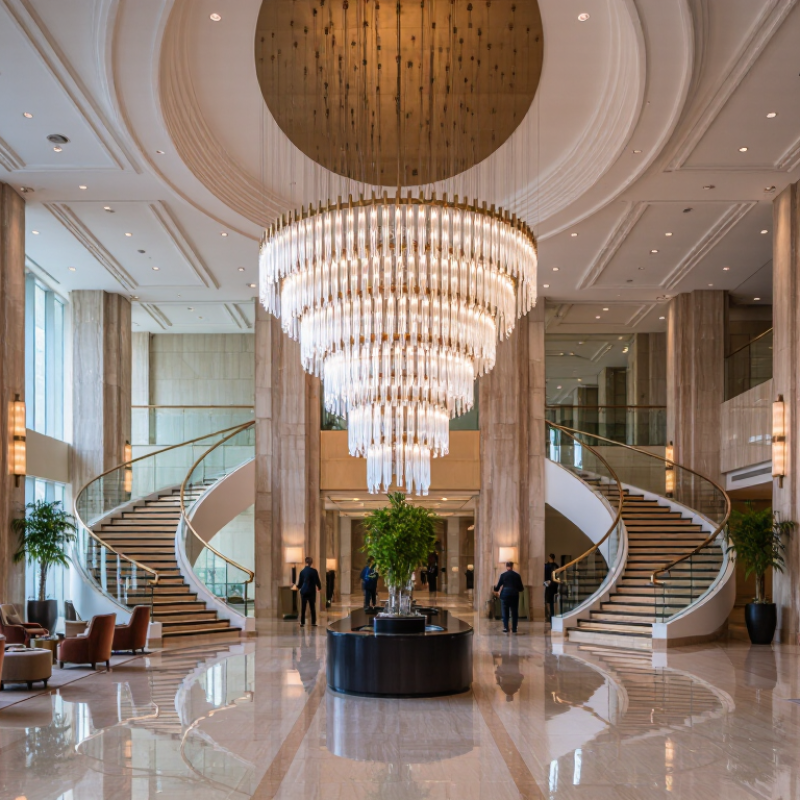
A hotel chandelier does more than fill an empty ceiling. It shapes the first impression, guides movement, and influences how guests remember a property. In a resort lobby, crystal reflections may suggest celebration. In a boutique hotel, warm brass can create a quieter welcome. The best Hospitality Chandeliers support the brand without competing with it.

Lighting designer Hervé Descottes has said, “Light is a material, just like stone or wood.” That idea matters when selecting a chandelier for hotels and resorts. Scale, glare control, color temperature, maintenance access, and ceiling height all affect the final experience. A dramatic fixture may photograph beautifully, yet feel excessive beneath a low mezzanine. Another may look modest during installation, then produce a powerful glow across polished stone.

This guide explores ten Hospitality Chandeliers suited to different hospitality settings. Each option is considered through design impact, practical performance, cleaning demands, and guest comfort. Some choices favor grand entrances. Others work better above restaurants, staircases, suites, or intimate lounges. The list is not a universal ranking. Context changes everything.

A mistake can still teach something.

A chandelier that looks perfect in a showroom may fail under real operating conditions. Dust, vibration, replacement parts, and changing daylight deserve attention. Energy efficiency matters too, but atmosphere cannot be reduced to numbers. The most reliable selection balances beauty with serviceability. It should welcome guests today and remain convincing years later.
Top 10 Hospitality Chandeliers for Hotels and Resorts

Defining Hospitality Chandeliers in Hotels and Resorts

Defining Hospitality Chandeliers in Hotels and Resorts

A hospitality chandelier is more than a decorative light. It shapes arrival, directs attention, and supports the emotional character of a hotel or resort. In a tall lobby, a ten-metre installation can create a memorable focal point above the reception desk. In a boutique dining room, smaller clustered pendants may provide intimacy without blocking conversation.

The strongest designs balance beauty with operational demands. Crystal, hand-blown glass, metal, and fabric can each support a different atmosphere. However, materials must tolerate dust, humidity, cleaning routines, and frequent lamp replacement. Scale matters. A fixture that looks elegant in drawings may feel visually heavy after installation. Light output also requires careful control, especially near polished floors and mirrors. Glare can make guests uncomfortable and weaken photographs.

Experience from hospitality projects shows that access is often overlooked. Maintenance staff need safe routes, practical suspension systems, and replaceable components. Electrical performance should meet local safety requirements and the property’s energy strategy. A coastal resort may require stronger corrosion resistance than an urban hotel. Small details matter.

A dramatic chandelier can still fail. It may impress guests but obstruct sightlines, complicate cleaning, or produce uneven lighting. For this reason, the top ten hospitality chandeliers should be judged by atmosphere, durability, proportion, maintenance, and guest comfort—not appearance alone. Designers should test samples under real lighting conditions before final approval. Specification drawings cannot reveal everything.

Top 10 Hospitality Chandeliers for Hotels and Resorts

This planning chart compares common chandelier formats used in hospitality interiors by typical fixture diameter. Larger statement fixtures are generally selected for high-ceiling lobbies, ballrooms, and atriums, while compact chandeliers suit restaurants, guest lounges, and boutique reception areas. The values are representative specification ranges used for preliminary interior-lighting planning and should be verified against ceiling height, room scale, illumination targets, and local safety requirements.

Key Design Styles for Lobby, Ballroom, and Dining Spaces

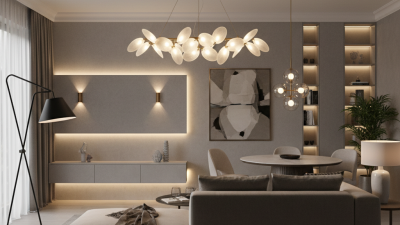
A hotel chandelier must guide emotion before it provides decoration. STR’s 2024 U.S. forecast placed hotel occupancy near 63.6%, making each lobby arrival commercially important. For grand entrances, sculptural, contemporary, Art Deco, and modern-classic styles create a strong first frame. Layered crystal can suggest ceremony, while warm metal finishes add residential comfort. A biophilic chandelier, with branch-like arms and softened LEDs, suits wellness-focused resorts. The effect should feel intentional, not theatrical.

Ballrooms need scale, rhythm, and reliable sightlines. Geometric, transitional, minimalist, and bespoke linear designs can divide a large ceiling without blocking photography or stage views. Dimmable lighting matters here. Event planners may require a bright reception, a softer dinner, and dramatic evening scenes within one booking. The Illuminating Engineering Society recommends careful control of glare and light distribution, yet many decorative schemes still ignore both. A beautiful fixture can become tiring when guests look upward.

Dining spaces benefit from intimacy. Coastal, industrial, sculptural, or softly organic styles work when their proportions match the tables below. The Global Wellness Institute reported a $6.3 trillion global wellness economy in 2023, reinforcing demand for calmer hospitality environments. I would specify lower visual brightness, warm color temperature, and accessible cleaning details. Not every restaurant needs sparkle. In practice, a slightly imperfect material often feels more memorable than flawless ornament. Mockups remain essential, because a chandelier that succeeds in a showroom may feel oversized above a quiet breakfast table.

Top 10 Hospitality Chandeliers for Hotels and Resorts - Key Design Styles for Lobby, Ballroom, and Dining Spaces
No. Chandelier Style Best Hospitality Space Typical Form and Scale Common Materials Recommended Light Source Typical Color Temperature Design Advantages Planning Considerations
1 Crystal Cascade Grand lobby, reception hall, luxury ballroom Multi-tier vertical installation; approximately 1.5–5 m in height and 1.2–4 m in diameter Optical crystal, stainless steel, polished metal, glass components Dimmable LED modules or replaceable LED lamps 2700–3000 K Creates a dramatic focal point and distributes light through multiple reflective surfaces Requires structural support, access for cleaning, and careful glare control
2 Modern Ring Composition Contemporary lobby, atrium, cocktail lounge Two or more suspended circular rings; approximately 0.8–3 m overall diameter Aluminum, powder-coated steel, acrylic diffuser, silicone LED profile Integrated dimmable LED 2700–3500 K Provides a clean architectural silhouette and works well with high ceilings Ring alignment and suspension height should be coordinated with sightlines and signage
3 Contemporary Linear Cluster Private dining room, buffet area, meeting lounge Parallel bars or clustered linear pendants; approximately 1–3 m long Brushed aluminum, steel, opal glass, acrylic Linear LED with diffused optics 2700–3000 K Supports even illumination over long tables and rectangular seating layouts Suspension points should align with table geometry and allow flexible furniture layouts
4 Art Deco Geometric Boutique hotel lobby, ballroom foyer, upscale restaurant Layered geometric frame; approximately 0.8–2.5 m in diameter Brass or bronze-finished metal, clear glass, frosted glass Dimmable LED candle lamps or compact LED sources 2700–3000 K Adds symmetrical pattern, metallic warmth, and strong visual identity Reflective finishes may increase brightness; use diffusers where guests view the fixture directly
5 Organic Branch Sculpture Resort lobby, garden restaurant, spa lounge Branching sculptural profile; approximately 1–3 m wide with variable drop height Hand-finished metal, resin, wood accents, frosted acrylic Integrated LED points or concealed LED strips 2700–3500 K Complements biophilic interiors and creates an expressive sculptural centerpiece Irregular surfaces can collect dust; specify accessible cleaning routes and durable finishes
6 Globe and Opal Glass All-day dining restaurant, breakfast room, hotel lounge Repeated spherical or globe pendants; approximately 0.6–2.5 m overall cluster width Opal glass, clear glass, brass, stainless steel, painted metal LED globe lamps or integrated LED modules 2700–3000 K Produces soft, comfortable ambient light with a timeless appearance Use shatter-resistant components in high-traffic areas and maintain adequate replacement access
7 Minimalist Sculptural Disc Business hotel lobby, executive lounge, contemporary restaurant Flat discs or overlapping illuminated planes; approximately 0.8–3 m wide Aluminum, steel, acrylic, polycarbonate diffuser Edge-lit or back-lit dimmable LED 3000–3500 K Offers a refined, low-visual-clutter solution with efficient downward and ambient light Check ceiling depth for drivers and suspension hardware; avoid reflections on glossy surfaces
8 Traditional Candle-Arm Heritage hotel, formal dining room, ceremonial ballroom Single or multi-tier arms; approximately 0.8–2.2 m in diameter Cast metal, brass, bronze, crystal or glass shades Dimmable LED candle lamps 2200–2700 K Recreates classic candlelight and supports formal architectural settings Confirm fire-safety requirements, lamp heat limits, and cleaning access around detailed arms
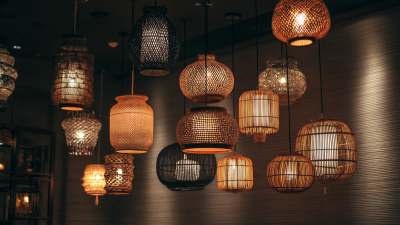
9 Woven Natural-Fiber Pendant Beach resort, casual dining area, outdoor-covered lounge Single oversized shade or clustered pendants; approximately 0.5–2 m diameter Rattan, bamboo, seagrass, fabric, metal frame, diffuser material LED lamps with enclosed or diffused light source 2700–3000 K Adds texture, relaxed character, and a natural resort atmosphere Verify humidity resistance, flame-retardant treatment, and suitability for covered exterior locations
10 Large-Scale Drum Chandelier Ballroom, banquet hall, conference foyer Oversized drum or cylindrical shade; approximately 1–3 m in diameter Textile, acoustic fabric, metal frame, acrylic or polycarbonate diffuser Dimmable LED downlight and indirect LED illumination 2700–3500 K Softens large interiors and can improve visual comfort through diffused illumination Coordinate size with ceiling height, sprinkler clearance, acoustics, and banquet lighting controls

Top Ten Chandelier Concepts for Hospitality Interiors

Top 10 Hospitality Chandeliers for Hotels and Resorts

Top Ten Chandelier Concepts for Hospitality Interiors

Hospitality chandeliers should shape arrival experiences, not merely fill empty ceilings. Consider ten concepts: sculptural rings, cascading glass, botanical forms, geometric grids, lantern clusters, kinetic elements, local craft pieces, linear canopies, starburst designs, and acoustic luminous panels. Each concept creates a different emotional rhythm. A ring chandelier can organize a lobby, while cascading pendants add drama above a grand staircase. In a dining room, warm diffused light supports conversation and protects the appearance of food.

Experience matters during selection. I have found that impressive fixtures can still fail when cleaning access is ignored. Check ceiling height, maintenance routes, glare control, and viewing angles from reception desks. Layered lighting also improves reliability. Combine the chandelier with concealed uplighting, wall fixtures, and adjustable downlights. Metal finishes should resist humidity in coastal resorts. Glass elements need secure connections and practical replacement plans. Some concepts look beautiful in renderings but feel oversized in person.

Tips: Keep the lowest point clear of guest traffic. Use dimming scenes for morning, evening, and events. Request a physical sample before approving finishes. Test shadows on floors and tables. Review the design from seated and standing positions. Acoustic panels deserve attention, although their appearance may require compromise. A slightly quieter, less dramatic fixture can serve guests better.

How to Choose Size, Materials, Lighting, and Placement

A hospitality chandelier should fit the room before it attracts attention. Measure the lobby length and width, then use their combined feet as a starting diameter in inches. A 30-by-20-foot lobby may suit a fixture near 50 inches wide, but ceiling height and sightlines can change that choice. Leave generous clearance above walking routes, and confirm local safety requirements with a qualified professional.

Materials shape both appearance and maintenance. Hand-finished metal adds warmth, while glass creates sparkle and spreads light across polished floors. However, highly reflective surfaces reveal fingerprints and dust quickly. In coastal resorts, protected finishes can resist humidity better than untreated metals. Crystal-like elements may look dramatic, yet fragile pieces demand careful cleaning and replacement planning. I have seen beautiful installations feel cold because the material ignored the surrounding stone, wood, or fabric.

Lighting should flatter guests, not compete with them. Select warm white sources around 2700K to 3000K, with high color rendering for skin tones and artwork. Use dimming scenes for arrivals, dining, and evening events. Avoid exposed glare when guests look upward. Placement matters as much as scale: center the chandelier within the architectural axis, but check reception desks, elevators, sprinkler systems, and maintenance access. Test a full-size paper or cardboard template first. It may look too large. That hesitation is useful. Floor reflections, camera views, and guest movement often reveal problems that drawings miss.

Installation, Maintenance, Safety, and Energy Considerations

A hospitality chandelier must look impressive without making installation difficult. Before selecting one of the top ten designs, confirm ceiling capacity, access routes, and connection points. A structural engineer should verify the load, especially above a lobby or atrium. Qualified electricians must follow local electrical and fire-safety requirements. Never rely on decorative chains alone. Use rated supports and independent safety cables.

Maintenance planning begins before the chandelier is installed. Provide service access, clear cleaning instructions, and replaceable components. Staff should isolate power before cleaning crystals, frames, or lamps. A mobile lift is safer than an improvised ladder. Keep a maintenance log with inspection dates, loose fasteners, lamp changes, and unusual vibration. Small issues become expensive quickly. Dust on high surfaces can also reduce light output and create a poor guest impression.

Energy performance deserves equal attention. Efficient LED sources, dimming controls, occupancy sensors, and daylight adjustment can reduce unnecessary consumption. Warm, controlled lighting often feels more luxurious than excessive brightness. Heat from poorly selected lamps may damage finishes and increase cooling loads. I have seen attractive lighting plans fail because controls were too complicated for hotel staff. Simpler systems are not always glamorous, but they are easier to operate correctly. Emergency lighting must remain separate, visible, and regularly tested. Safety comes before drama.