2026 Top Boutique Lighting Trends for Global Buyers

Boutique Lighting is entering 2026 with a sharper focus on atmosphere, material honesty, and measurable efficiency. Global buyers are no longer choosing decorative fixtures for appearance alone. They are examining energy use, repairability, component quality, and the story behind each piece. The International Energy Agency reports that lighting represents roughly 15% of global electricity consumption. That figure makes every small pendant, wall lamp, and sculptural installation commercially relevant. For hospitality, residential, and premium retail projects, warm dimming, low-glare optics, recycled metals, and modular LED systems are becoming practical expectations.

Ingo Maurer, one of the lighting world’s most influential designers, famously said, “Light is not just something that allows us to see. It is also something that allows us to feel.” His observation remains useful in 2026. Buyers want fixtures that shape emotion, not merely illuminate surfaces. Recent market outlooks from Grand View Research and Fortune Business Insights also indicate continued growth in LED adoption and smart-lighting demand. However, boutique products should not become over-engineered. A beautiful lamp with a confusing control system may disappoint a hotel guest within minutes. Sustainability claims also require closer inspection. “Eco-friendly” is not enough without material documentation, lifespan data, and credible certifications. The strongest trends combine hand-finished details with dependable technology. Expect layered lighting, portable rechargeable pieces, bio-based materials, and digitally adjustable color temperatures to gain attention. Yet one question remains uncomfortable: will the industry design fewer, better fixtures, or simply sell more fashionable replacements? Global buyers should keep asking it.
2026 Top Boutique Lighting Trends for Global Buyers

Defining Boutique Lighting and Its 2026 Market Direction

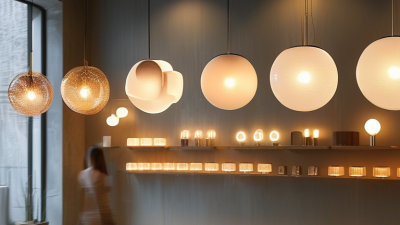
Boutique lighting is not simply a smaller lamp collection. It is a design-led category built around limited production, distinctive materials, and close attention to detail. A hand-finished brass shade, textured glass, or softly irregular ceramic can make one fixture feel intentionally personal. In practice, boutique lighting serves hospitality spaces, premium residences, galleries, and carefully planned retail interiors. Its value comes from atmosphere and character, not decoration alone.

The 2026 market direction is moving toward adaptable, lower-impact, and more transparent lighting. Global buyers are asking for replaceable components, efficient light sources, repair guidance, and documented material origins. Warm color temperatures remain important in dining rooms, hotel corridors, and quiet lounge areas. Buyers also want adjustable output, compact controls, and fixtures that photograph well without harsh glare. Custom dimensions are becoming more practical as digital sampling shortens approval cycles. Still, “custom” can hide longer lead times and difficult maintenance.

From supplier evaluations, the strongest projects balance visual identity with installation reality. A beautiful pendant is less successful when its canopy is awkward or its wiring instructions are unclear. Buyers should request photometric data, safety documentation, finish samples, and packaging details before confirming volume. I have seen small finish variations improve a room, but inconsistent batches can damage an entire project. That tension deserves attention. Boutique lighting is becoming more useful, not merely more exclusive.

Key Materials, Forms, and Craft Techniques Shaping New Collections

For global buyers, boutique lighting is moving toward tactile materials and visible workmanship. The Global Smart Lighting Market report by Fortune Business Insights valued the sector at USD 15.05 billion in 2023. Its projected growth supports demand for connected fixtures, but many buyers still want warmth over screens. Brushed brass, blackened steel, hand-blown glass, linen, and responsibly sourced timber are shaping new collections. Surfaces matter. A slightly uneven glass shade can make a pendant feel human, not defective.

Forms are becoming softer and more architectural. Domes, folded discs, ribbed cylinders, and clustered globes create layered silhouettes above dining tables and reception desks. The 2024 Houzz Emerging Summer Trends Study reported strong interest in statement lighting among renovating homeowners, showing that fixtures increasingly act as focal objects. However, exaggerated forms can create packing problems and glare. Buyers should request photometric files, tested dimming performance, and replacement-part information before approving volume orders.

Craft techniques are also gaining commercial value. Ceramic slip-casting, sand-cast metal, hand-lashed fibre, and mouth-blown glass provide texture in close-up spaces. The International Energy Agency’s 2024 lighting analysis notes that LEDs dominate new lighting sales, making efficiency an expected baseline rather than a premium feature. That leaves craftsmanship to carry differentiation. Still, handmade variation needs control. A small colour shift may feel authentic; inconsistent wiring does not. Materials should be sample-tested under warm and cool colour temperatures, because attractive finishes can change sharply under 2700K light.

Smart, Sustainable, and Human-Centered Lighting Features

For global buyers in 2026, boutique lighting is shifting from decoration toward responsive environmental design. Fixtures now combine sensors, dimming, daylight response, and carefully controlled color temperature. UNEP’s 2024 Global Status Report states that buildings consume about 32% of global final energy. Lighting therefore deserves procurement attention, not only styling attention. Keep controls simple.

The U.S. Department of Energy notes that LEDs can use up to 75% less energy than incandescent lamps. They can also last up to 25 times longer. These figures support durable, low-maintenance specifications for hotels, restaurants, and retail interiors. Human comfort still matters. The CIE Position Statement on Integrative Lighting explains that timing, spectrum, and light exposure influence non-visual responses. Warm evening scenes, low glare, and gradual transitions feel more natural than aggressive brightness. A brighter room is not always better.

Sustainable purchasing should include replaceable drivers, repair access, recyclable materials, and verified life-cycle information. The European Commission’s 2024 ecodesign framework places stronger attention on durability, energy performance, and resource efficiency. Ask suppliers for measurable data, not attractive lumen claims. Some buyers specify smart functions without checking software support, privacy safeguards, or component replacement. That blind spot matters. Human-centered lighting is not automatically healthier or greener. Testing remains necessary, and smaller projects often skip it.

Regional Preferences and Buying Priorities Across Global Markets

2026 Top Boutique Lighting Trends for Global Buyers

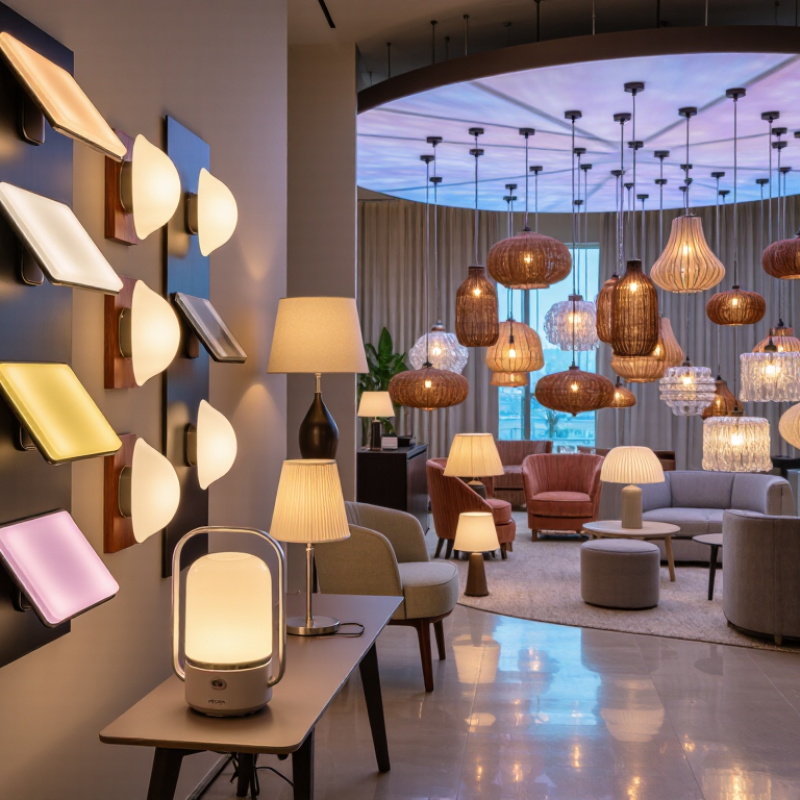
Regional preferences are reshaping boutique lighting purchases in 2026. In North America, buyers often request layered lighting, dimming control, and easy replacement parts. Oversized pendants remain popular in hospitality spaces, especially above reception desks and dining tables. European buyers usually prioritize compact proportions, warm color temperatures, and material traceability. A 2700K glow often suits residential interiors. In the Middle East, sculptural fixtures attract attention, but heat tolerance and surface durability matter more than decoration alone. Asian markets increasingly favor adaptable designs for smaller rooms. Flat-pack protection and clear installation instructions can influence final orders.

Practical buying priorities vary with each project. I recommend testing samples under both daylight and evening conditions. Color rendering, glare control, and shade consistency should be checked before volume purchasing. Buyers also need verified electrical specifications for each destination. Local compliance requirements can affect sockets, wiring, voltage, and documentation. Lead time matters too. A beautiful fixture arriving six weeks late can damage an entire installation schedule. Packaging deserves attention. Thin glass shades often need molded protection and visible handling marks.

Not every forecast will prove accurate. Consumer tastes shift faster than purchasing plans. I have seen buyers choose dramatic forms, then reconsider after reviewing ceiling height and cleaning access. That hesitation is useful. It exposes hidden costs. The strongest regional strategy balances visual identity with maintenance, logistics, and real room conditions. Some markets want a statement piece. Others want quiet reliability.

2026 Top Boutique Lighting Trends for Global Buyers - Regional Preferences and Buying Priorities Across Global Markets
Comparative planning matrix for boutique hospitality, residential, retail and design-led commercial projects
Market Leading 2026 Aesthetic Most Requested Fixture Type Preferred Finish & Material Sustainability Priority
1–5
Smart-Control Priority
1–5
Customization Priority
1–5
Primary Buying Priorities
North America Warm minimalism with sculptural statement pieces Large pendants, chandeliers and layered decorative lighting Aged brass, bronze, matte black, hand-blown glass 4 4 5 Visual impact, dimmability, quick specification support, project customization
Western Europe Quiet luxury, circular design and architectural simplicity Compact pendants, wall lights and modular systems Recycled glass, ceramic, brushed metal, natural wood 5 4 4 Energy efficiency, repairability, material traceability, regulatory compliance
Middle East Opulent contemporary design with crafted detailing Oversized chandeliers, decorative clusters and feature pendants Polished brass, gold tones, crystal, smoked and tinted glass 3 4 5 Scale, luxury appearance, bespoke dimensions, high-output performance
East Asia Refined minimalism with compact multifunctional forms Slim linear pendants, portable lamps and discreet downlights Matte white, champagne metal, timber, frosted glass 4 5 4 Space efficiency, low glare, app or sensor control, reliable quality
Australia & New Zealand Biophilic coastal minimalism and natural tactility Pendant lights, wall sconces and indoor-outdoor decorative fittings Natural timber, rattan, ceramic, aged brass and textured glass 5 3 4 Material authenticity, durability, energy performance, responsible sourcing
Latin America Expressive color, artisanal texture and hospitality-led warmth Decorative pendants, woven fixtures and statement wall lights Natural fibers, ceramic, colored glass, black and bronze metal 3 3 4 Distinctive appearance, price-to-value, easy installation, flexible order quantities
Cross-Market Trend 2026 Buyer Expectation Recommended Product Response
Human-centric lighting Comfortable brightness, low glare and adjustable color temperature Offer dimmable LED modules, warm-dimming options and glare-controlled optics
Material transparency Clear information about materials, durability and end-of-life handling Prepare material declarations, care instructions, spare-part availability and repair guidance
Modular customization Flexible sizes, finishes, canopy configurations and mounting options Develop configurable families instead of one-off products only
Connected control Compatibility with dimming, sensors and common building-control systems Provide clear control compatibility, commissioning requirements and offline manual operation
Index note: Priority scores are comparative planning indicators, where 1 = lower relative importance and 5 = very high relative importance. They are intended to support product assortment and market-entry planning rather than represent a single-country statistical survey.

Practical Criteria for Selecting Boutique Lighting Suppliers in 2026

For global buyers, boutique lighting suppliers should prove more than visual originality. Ask for photometric files, material specifications, warranty terms, and factory quality records. A polished prototype is not enough. I have seen elegant samples hide inconsistent finishes, unclear dimming performance, and fragile packaging. Request a production sample before approving a larger order. Check color consistency across five or more units.

Energy performance deserves equal attention. The International Energy Agency reports that lighting uses about 15% of global electricity consumption. In 2026, suppliers should offer efficient LED systems, replaceable components, and clear lifetime testing. Ask whether the stated lifespan follows recognized testing methods. Also verify flicker, color rendering, driver compatibility, and heat management. Decorative appeal cannot compensate for uncomfortable light.

Supply-chain evidence matters. The United Nations Environment Programme’s 2024 Global Status Report states that buildings consume about 32% of global energy and produce approximately 34% of global carbon emissions. Buyers should request material declarations, recycled-content evidence, packaging details, and factory audit records. Confirm production capacity during peak seasons, not only during a sales presentation. Response speed is useful, but documented corrective action is stronger. One weakness remains easy to overlook: small workshops may deliver exceptional craftsmanship without consistent inspection systems. A practical supplier scorecard should balance design, testing, reliability, compliance, lead time, and after-sales support. Trends change quickly. Documentation should not.