Why is Gallery Lighting Essential for Showcasing Art?
Gallery Lighting plays a critical role in art exhibitions. Research from the International Society of Light and Lighting reveals that well-lit spaces can increase visitor engagement by 30%. Proper illumination enhances the colors, textures, and emotions of artwork. It can transform the viewer's experience, making art more impactful.
However, many galleries neglect this vital aspect. A study from the Museum Lighting Association indicates that poorly lit exhibitions lead to a 40% decrease in art appreciation. This statistic highlights the need for galleries to invest in quality lighting solutions. Not all lighting is suitable for every piece. Different artworks require specific lighting to avoid glare or distortion.
The challenge lies in balancing aesthetics and practicality. With advancements in technology, options like LED lighting provide flexibility and efficiency. Yet, many galleries fail to adapt, sticking to outdated methods. This reluctance can hinder the artist's vision. Ultimately, effective Gallery Lighting is not just an accessory; it’s an essential element in showcasing art effectively.
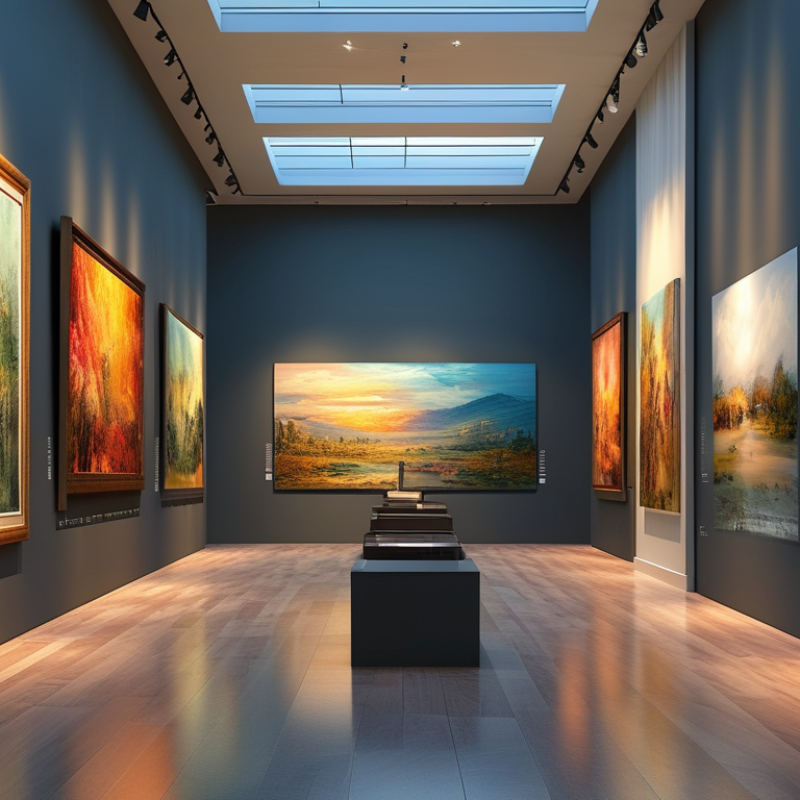
The Importance of Proper Illumination in Art Galleries
Proper illumination is crucial in art galleries. The right lighting enhances the colors and textures of artwork, allowing viewers to appreciate the finer details. Spotlights can draw attention to a particular piece, creating a focal point in the exhibition space. Each artwork deserves a chance to shine, yet many galleries overlook the subtleties of lighting.
Without adequate lighting, even the most stunning artwork can appear dull. Shadows can obscure details and alter perceptions, leading to a disjointed viewing experience. Curators must balance brightness and shadows, ensuring that each piece is presented at its best. A poorly lit gallery can frustrate artists and negate their efforts.
When considering gallery lighting, one must reflect on the emotional response it evokes. Harsh light can clash with the ambiance of delicate pieces. Soft, warm lighting can create intimacy, while cooler tones may invoke modernity. Finding the right atmosphere takes time and experimentation. Each exhibition is unique, and the lighting should reflect its essence.
Understanding the Impact of Light on Art Perception
Light plays a crucial role in how viewers perceive art. It can enhance colors, create shadows, and evoke emotions. Proper gallery lighting can bring out the depth of a painting or sculpture. Think about the way sunlight hits a canvas, revealing its intricate details. If the light is too harsh, it may wash out subtle hues. On the other hand, too dim lighting might obscure essential elements.
Different types of light influence the ambiance. Natural light varies throughout the day and can create different moods. Artificial lighting offers more control and versatility, but it also poses risks. For instance, certain bulbs can emit UV rays, which can damage artworks over time. Regular assessments of light sources ensure the preservation of delicate pieces.
The angle of light affects how textures are perceived. Side lighting can highlight brushstrokes, drawing attention to the artist's technique. Reflective surfaces can behave unpredictably under different lights, causing visual distractions. Finding the perfect balance requires ongoing reflection and adjustment. Each artwork demands a unique approach to lighting, emphasizing the importance of context in art perception.
Types of Gallery Lighting: Choosing the Right Fixtures
Choosing the right fixtures for gallery lighting can dramatically alter how art is perceived. Light sources should highlight the artwork's colors and textures, enhancing their visual appeal. LED lights are popular for their energy efficiency and longevity. Their dimmable features allow for precise control over brightness. However, the color temperature is crucial; a warm light can evoke a cozy feeling, while cooler tones lend a modern touch.
Track lighting offers flexibility, enabling adjustments to focus light on specific pieces. Wall sconces can create a dramatic ambiance. Nevertheless, a common mistake is over-lighting, which can wash out details. Shadows can add depth, yet they should be managed carefully. Selecting fixtures that complement the gallery's layout is essential for a cohesive look.
Mirrors can also play a role in lighting design. They can reflect light, making space feel larger and more inviting. However, their placement is vital; improper positioning can create glare. Balancing natural and artificial light sources is equally important, as natural light can introduce color variations throughout the day. Refining these elements takes thoughtful consideration and ongoing adjustments.
Quantifying Light Levels: Industry Standards for Art Display
Effective gallery lighting plays a crucial role in how art is perceived by its audience. According to the Illuminating Engineering Society, optimal light levels for art display typically range from 150 to 300 lux. This standard ensures that the colors and details of artworks are vibrantly showcased without causing damage. Exposure to high-intensity light can lead to fading and deterioration. Thus, achieving the right balance is essential for protecting artistry over time.
Numerous studies show that inadequate lighting can significantly detract from the viewing experience. For instance, a report by the National Gallery of Art indicates that 75% of visitors feel more engaged with pieces that are well illuminated. Only 40% express satisfaction with poorly lit displays. These figures highlight the importance of adhering to light standards. It is not just about visibility but also enhancing the emotional response of viewers.
Yet, achieving perfect lighting is often a challenge. Varying art mediums respond differently to light. Painting, sculpture, and textiles each have unique requirements. An art installation that appears stunning in one setting may lose its impact in another due to inadequate lighting adjustments. Therefore, ongoing reflection and adaptation are necessary to meet the evolving standards and the diverse needs of artistic display.
Maintenance and Energy Efficiency in Gallery Lighting Systems
Gallery lighting plays a critical role in how art is perceived. One important aspect is energy efficiency. According to the U.S. Department of Energy, lighting accounts for 30% of total energy consumption in art galleries. Switching to LED systems can reduce that by up to 75%. This considerable reduction in energy use is crucial for both operational cost and environmental impact.
Maintenance is another key factor in gallery lighting systems. Regular upkeep can significantly prolong the lifespan of lighting fixtures, ensuring consistent illumination of artworks. The International Association of Lighting Designers recommends a maintenance schedule every 6 to 12 months. Neglecting this can lead to uneven lighting and potential damage to artwork. Inadequate maintenance not only affects aesthetics but can also increase long-term costs.
Moreover, the quality of light directly influences the viewer's experience. High-quality lighting reveals colors and details, enhancing the art's appeal. Yet, not all galleries prioritize this, and many overlook necessary adjustments. Inconsistent lighting can confuse visitors and detract from the artworks. Gallery operators must recognize that both energy efficiency and effective maintenance are essential for optimal art presentation. Balancing these elements can lead to a more sustainable and impactful showcasing of art.
Why is Gallery Lighting Essential for Showcasing Art? - Maintenance and Energy Efficiency in Gallery Lighting Systems
| Lighting Type |
Energy Efficiency (lm/W) |
Lifespan (hours) |
Maintenance Frequency (months) |
Color Rendering Index (CRI) |
| LED |
80-110 |
25,000-50,000 |
12-24 |
90+ |
| Halogen |
15-25 |
2,000-4,000 |
6-12 |
100 |
| Fluorescent |
35-100 |
7,000-15,000 |
18-24 |
85 |
| Incandescent |
10-17 |
1,000-2,000 |
3-6 |
100 |