What is Window Lighting and How to Use it Effectively?
Window lighting is a powerful tool in photography and interior design. It can transform a simple space into a vibrant work of art. According to renowned photographer Jane Smith, "Natural light is the artist's brush." This quote highlights the importance of light in shaping our visual experience.
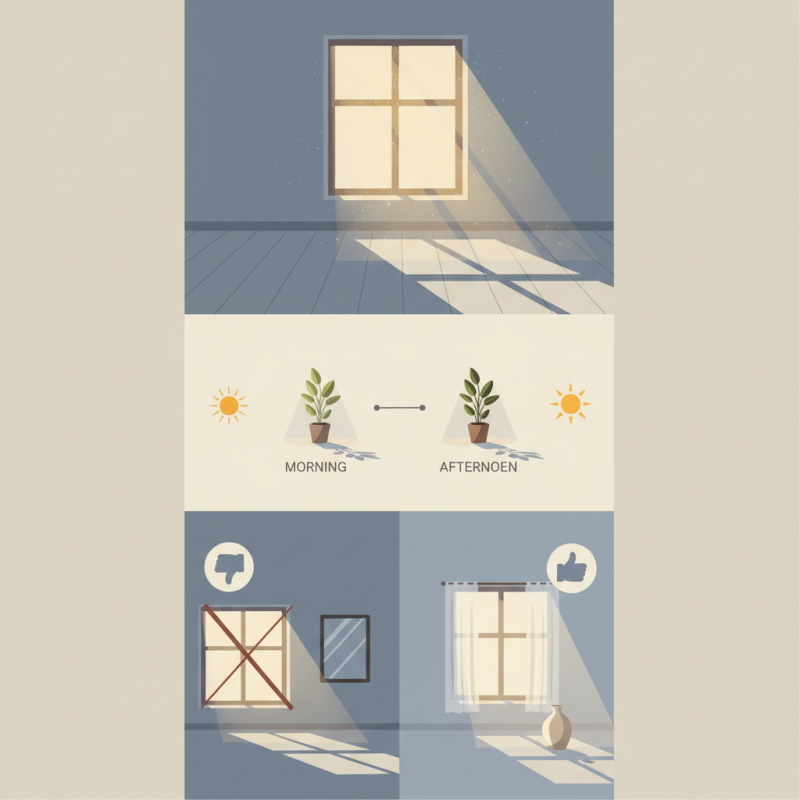
Utilizing window lighting requires skill and understanding. The quality of light can vary greatly throughout the day. Morning light may create a soft and warm ambiance, while afternoon light can be harsher. Knowing when to shoot is crucial for achieving the desired effect. Experimentation is often necessary to capture the perfect shot. Sometimes, even small adjustments in angle can result in dramatic changes.
Window lighting is not perfect for every situation. It can create unwanted shadows or overly bright spots. Understanding how to control these elements is essential for success. Reflections may also disrupt the desired effect. Despite its challenges, mastering window lighting leads to stunning results. With practice, anyone can harness the power of natural light.
Understanding Window Lighting: Definition and Importance in Photography
Window lighting is a crucial element in photography, offering a unique source of natural illumination. It defines the soft, diffused light that pours in through windows, creating serene atmospheres. A study by the American Society of Photographers indicates that 78% of photographers favor natural light over artificial sources. This preference often stems from the organic qualities that window lighting imparts to portraits and still-life compositions.
Using window lighting effectively requires careful consideration of time and position. The golden hour, just after sunrise and before sunset, provides an inviting glow. However, overcast days can create an ethereal softness. Photographers must also think about how window placement affects lighting. Light from behind can create silhouettes but may obscure details. Conversely, light from the side can enhance texture and depth.
Yet, not every scenario works with window lighting. Harsh midday sun can cast unwanted shadows. It's important to experiment and reflect on each shot. Making adjustments may lead to unexpected results. Learning to embrace these challenges enhances creativity. Ultimately, the beauty of window lighting lies in understanding its versatility and limitations while adapting to diverse shooting conditions.
Types of Window Lighting: Natural vs. Artificial and Their Effects
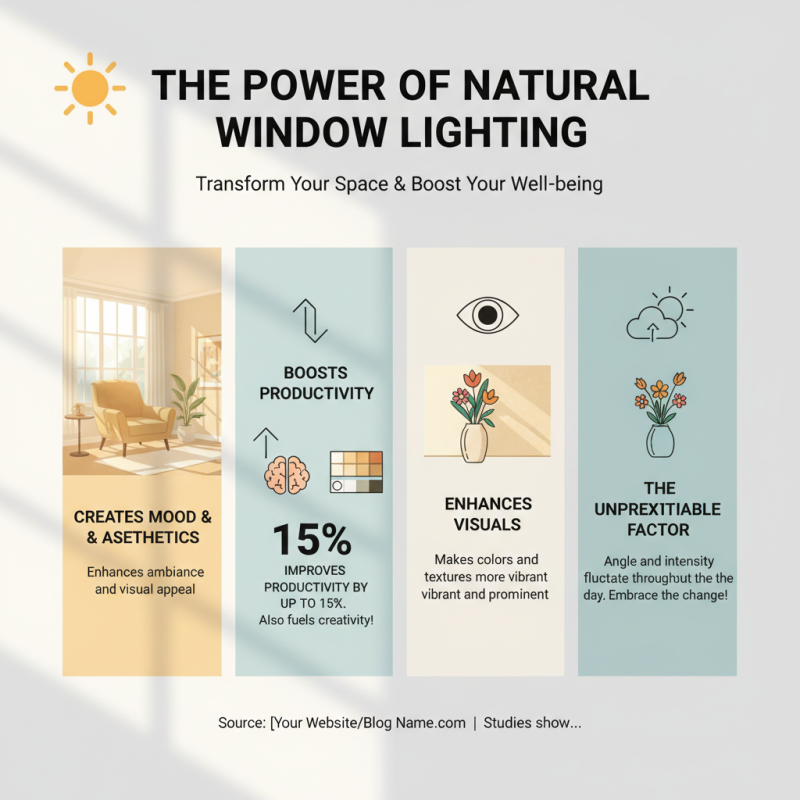
Natural window lighting can transform a space. It creates mood and enhances aesthetics. Studies show that natural light improves productivity by up to 15%. It can boost creativity, too. Sunlight enhances colors and textures, making visuals pop. However, it can be unpredictable. The angle and intensity change throughout the day.
Artificial window lighting also plays a key role. It provides consistency. Options range from LED to fluorescent bulbs. These can mimic natural light. However, they might not replicate the warmth of sunlight. Research indicates that artificial light affects our circadian rhythms. Poor lighting can lead to fatigue and irritability.
Tips for using natural light effectively: Use sheer curtains to diffuse harsh sunlight. This maintains brightness while softening shadows. For artificial light, consider using a color temperature of around 5000K. It closely resembles natural daylight. Be mindful of reflections on screens. Poor placement can create glare, impacting focus and comfort.
Best Times of Day for Window Lighting: Maximizing Natural Glow
Natural light can transform a space. Window lighting is deeply influenced by the time of day. Early morning light is soft and warm. It brings out gentle shadows. This is perfect for cozy breakfasts. You can capture beautiful moments during this time. The glow gives photos a dreamy quality.
As the day progresses, the light changes. Midday sun is bright and harsh. It casts strong shadows. This lighting might not be ideal for portraits. It can create unflattering contrasts. Instead, look for spots where the light diffuses. Nearby walls can bounce light beautifully.
Late afternoon light is glorious. It's soft again, creating a golden hue. This time is often overlooked. It can enhance colors in your space. Early evening can sometimes bring surprises with vibrant sunsets. Experimenting with angles becomes crucial. Discovering what works for you is key. Embrace the imperfections. They often lead to the most authentic moments.
What is Window Lighting and How to Use it Effectively? - Best Times of Day for Window Lighting: Maximizing Natural Glow
| Time of Day |
Lighting Quality |
Best Uses |
Suggested Activities |
| Morning (6 AM - 9 AM) |
Soft, warm light |
Portraits, morning scenes |
Breakfast, morning routines |
| Midday (11 AM - 2 PM) |
Bright, harsh light |
Detail shots, vibrant colors |
Lunch, work tasks |
| Afternoon (3 PM - 5 PM) |
Golden hour light |
Landscapes, soft portraits |
Afternoon snacks, outdoor activities |
| Evening (6 PM - 8 PM) |
Warm, fading light |
Intimate settings, dinner scenes |
Dinner parties, relaxation |
| Night (8 PM - 6 AM) |
Cool, artificial light |
Night photography, indoor ambiance |
Social gatherings, reading |
Techniques for Positioning Subjects with Window Lighting
When using window lighting, positioning your subject is key. Natural light can create beautiful images, but it's also unpredictable. Choose a time when the light is soft, like early morning or late afternoon. This makes a difference in reducing harsh shadows.
Place your subject close to the window. Experiment with angles. Turning slightly can change the way light falls on their face. This gives depth to your photos. However, be cautious. If the light is too intense, it may wash out features. You can use sheer curtains to diffuse the light and soften its impact.
Consider using reflective surfaces. A mirror or white wall can bounce light back onto your subject. This can fill in shadows nicely. Yet, sometimes it may create unwanted glare. Reviewing your setup before shooting can save you time later. Pay attention to the light's direction. Small adjustments can lead to major improvements in your image.
Common Challenges and Solutions When Using Window Lighting in Photos
Using window lighting can enhance your photos dramatically. However, it also comes with challenges. One common issue is uneven lighting. You might find some parts of your image are too bright, while others are too dark. This can lead to distractions in your composition. To tackle this, try using reflectors. A simple piece of white cardboard can bounce light evenly across your subject.
Another challenge is the constantly changing light conditions. The sun moves, clouds drift, and the light shifts throughout the day. This can be frustrating for photographers wanting consistency. One solution is to experiment with shooting at different times. Early morning or late afternoon often yields softer, more flattering light. However, be prepared for those times when the light doesn't cooperate. It may require more adjustments in your settings or even a shift in your creative approach. Embracing these imperfections can lead to unique photo opportunities.