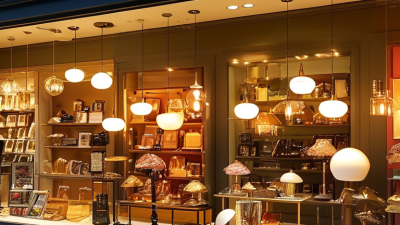
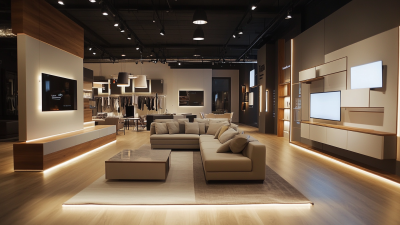
Top Shop Lighting Types for Retail and Commercial Spaces
Good Shop Lighting does more than make products visible; it shapes how a space feels and how easily customers move. A warm pool of light can make a fitting area feel inviting, while bright, even illumination helps shoppers compare products on a shelf. The right balance depends on the merchandise, ceiling height, store layout, and time customers spend in each area. Small details matter.
This guide introduces common options for retail and commercial spaces, including ambient, track, recessed, accent, task, and high-bay lighting. Each type serves a different purpose. Track lights can highlight a display or focal product, while linear fixtures may provide consistent light across long aisles. In a stockroom or large commercial area, high-bay fixtures can suit tall ceilings, but their placement and output need careful planning. There is no single fixture that works everywhere.
Good decisions consider more than brightness. Color rendering affects how clothing, food, and finishes appear, while color temperature influences the mood of a space. Glare, shadows, energy use, maintenance, and controls also deserve attention. A practical lighting plan starts with the store’s tasks and layout, then matches fixtures to those needs. No single layout suits every shop; even a thoughtful plan may need adjustment after staff see how the space works during a busy day. For complex installations, a qualified lighting professional can help assess fixture placement and electrical requirements.
Understanding Shop Lighting and Its Role in Commercial Spaces
Top Shop Lighting Types for Retail and Commercial Spaces
Understanding Shop Lighting and Its Role in Commercial Spaces
Shop lighting shapes what customers notice and how comfortably staff work. It also affects operating costs. The U.S. Energy Information Administration’s 2018 Commercial Buildings Energy Consumption Survey estimated that lighting accounted for about 17% of commercial-building electricity use. That makes fixture choice more than a design decision. A good plan balances visibility, energy demand, and the character of each space.
Use ambient lighting for an even base, then add focused beams to highlight shelves, signs, or product displays. For example, a narrow beam can pick out a ceramic mug, while softer wall lighting can reduce harsh contrast nearby. High color-rendering light can help products appear closer to their real colors. But higher brightness is not always better. Glare on glossy packaging can make labels harder to read, and a beautiful display may leave the checkout counter dim. Small details matter.
Tips: Switch on the proposed lights after closing and inspect the space from customer eye level. Check reflections on glass, shadows beneath shelves, and color accuracy on key products. Adjust one area at a time. A layout that looks balanced on paper may feel uneven in person; that is worth revisiting.
Ambient Lighting Types for General Store Illumination
Top Shop Lighting Types for Retail and Commercial Spaces
Ambient Lighting Types for General Store Illumination
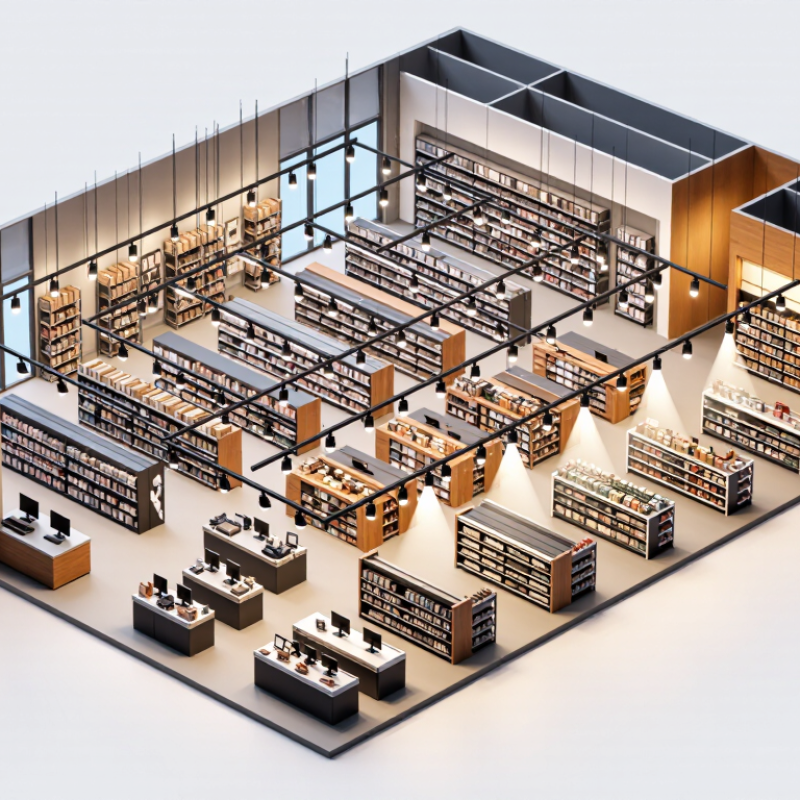
Ambient lighting sets a comfortable, even base across aisles, checkout areas, and open sales floors. Common options include recessed downlights, suspended linear fixtures, and indirect cove lighting. Recessed units suit lower ceilings, while linear fixtures spread light across long aisles. Cove lighting softens shadows, though it may not provide enough brightness alone. A layered plan often works better than relying on one fixture type.
The U.S. Energy Information Administration’s 2018 Commercial Buildings Energy Consumption Survey attributes about 17% of commercial-building electricity use to lighting. That makes efficient design a practical operating concern, not just a visual choice. Specify LED fixtures with suitable color rendering, and check the beam pattern on actual shelves: glossy packaging can create glare, while tall displays may cast unexpected shadows. A perfect lighting plan on paper can still feel flat in a real store.
Tips: Test a small area before installation. Compare brightness at shelf level, aisle ends, and checkout counters. Keep controls accessible, and review the space after merchandise changes. Natural daylight helps, but it shifts throughout the day.
Accent Lighting for Product Displays and Visual Merchandising
Accent lighting helps products stand out from the wider store environment. Aim adjustable spotlights at key displays, such as a textured jacket, fresh produce, or a featured table setting. A beam roughly three times brighter than the surrounding area can create useful emphasis, but too much contrast may make nearby products seem dull. Check the display from customer eye level. Reflections on glass and shiny packaging can distract.
Tips: Test the light after dark and during daylight. Keep color quality consistent across items shown together, and use high color-rendering light when accurate product colors matter. A narrow beam suits a single object; a wider beam works better for grouped merchandise. Avoid aiming directly into shoppers’ eyes.
In practice, small adjustments often make a bigger difference than adding more fixtures. Shift a spotlight a few degrees to reduce glare, or soften its output when shadows hide product details. Track lighting offers flexibility as displays change, though frequent rearranging can leave some areas uneven. That part is easy to overlook. Review the space from the entrance and along the main aisle, then adjust the lighting where the display loses focus.
Top Shop Lighting Types for Retail and Commercial Spaces
Accent Lighting for Product Displays and Visual Merchandising
Product displays often use higher illuminance than surrounding areas to draw attention to merchandise. These approximate planning ranges are general guidance, not regulatory requirements; adapt them to the products, finishes, ambient light, and visual comfort needs of each space.
Task Lighting for Checkout, Work, and Service Areas
At checkout, task lighting should make small details easy to see without casting glare across screens or glossy packaging. Aim adjustable fixtures at the payment surface, receipt area, and bagging space, rather than directly at a cashier’s eyes. Avoid harsh hotspots. A matte counter can still reflect light at certain angles, so test the setup during normal operating hours.
For work areas such as packing benches or inventory desks, use focused, even light that helps staff read labels and inspect products. Choose lighting with good color rendering when accurate color checks matter. Keep the beam broad enough to reduce sharp shadows from hands, tools, and shelves. A fixture that looks bright in an empty room may feel tiring after several hours of close work.
Service counters often need flexibility. Staff may handle paperwork, answer questions, and examine small items in the same spot. Layer focused task lighting with softer ambient light, and provide separate controls where practical. Check for flicker, heat, and visible glare from seated and standing positions. The right balance is rarely perfect on the first try; moving a fixture just a few inches can make the counter noticeably more comfortable.
Choosing Lighting by Space, Performance, and Energy Efficiency
Choosing shop lighting starts with the space, not the fixture. A long aisle needs even vertical light on shelves; a checkout counter needs clear task lighting with limited glare. For a small fitting room, softer, well-diffused light can make faces and fabric easier to see. IES recommendations provide useful illuminance guidance, but actual results depend on ceiling height, surface colors, and fixture placement. Measure the space before choosing output.
Performance is more than brightness. Check color rendering, glare control, dimming compatibility, and how evenly light reaches products. A high-CRI source can help shoppers distinguish fabric colors, while adjustable track heads can highlight displays without flooding every surface. Glare matters. It can make glossy packaging look washed out and tire staff working beneath exposed fixtures. One common planning flaw is aiming lights at products but overlooking the narrow shadows cast by shelving.
Energy efficiency should be assessed alongside operating hours and maintenance. The U.S. Department of Energy reports that LED lighting uses at least 75% less energy and can last up to 25 times longer than incandescent lighting. These comparisons do not guarantee the same savings in every shop; controls, layout, and existing equipment matter. Add occupancy or daylight controls where they suit the space, then review energy use after installation. The first layout may need adjustment.