Top Tips for Choosing the Best Restaurant Lighting to Enhance Ambiance
Creating the perfect ambiance in a restaurant is a delicate balance, and lighting plays a pivotal role in achieving this goal. According to renowned restaurant lighting expert, Sarah Johnson, “The right lighting transforms a dining space from ordinary to extraordinary, shaping not only the atmosphere but also the overall dining experience.” This insight underscores the importance of thoughtfully curated restaurant lighting in influencing customers’ emotions and perceptions.
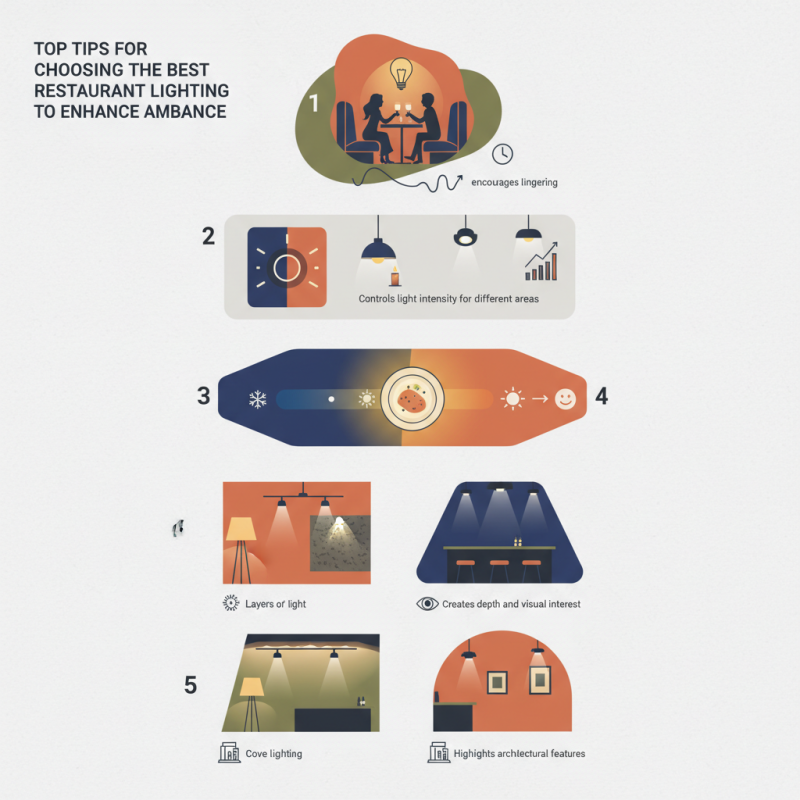
When it comes to choosing the best restaurant lighting, several factors must be considered to create an inviting environment. From the type and intensity of light to its color temperature, each element contributes to the restaurant's unique personality. A well-lit space can evoke warmth and intimacy, encouraging patrons to linger longer over their meals. On the other hand, poorly designed lighting can detract from the culinary experience and may even drive customers away.
Thus, understanding the nuances of restaurant lighting is essential for restaurateurs looking to enhance their establishment's ambiance. By strategically utilizing different lighting techniques and fixtures, restaurant owners can foster an atmosphere that not only delights their guests but also elevates their culinary offerings. In this guide, we will explore top tips and innovative strategies for choosing the best restaurant lighting that truly enhances ambiance.
Understanding the Role of Lighting in Restaurant Ambiance
Lighting plays a crucial role in shaping the ambiance of a restaurant, influencing not just how the space looks, but also how diners feel while enjoying their meals. Different types of lighting can create varied atmospheres; for instance, soft, warm lights tend to evoke feelings of intimacy and coziness, making them ideal for romantic dinners. On the other hand, brighter, cooler lights can enhance energy levels and create a lively atmosphere, perfect for casual dining or social gatherings. Understanding these nuances is essential when designing a restaurant’s lighting scheme.
Moreover, the strategic placement of lighting elements can significantly affect the perception of the space. Using a combination of ambient, task, and accent lighting can help highlight architectural features, artwork, or food presentations, while also providing sufficient illumination for diners without overpowering the overall aesthetics. Additionally, dimmable fixtures can offer flexibility, allowing restaurants to adjust the brightness based on the time of day or the type of event being hosted. By carefully considering the role of lighting in enhancing the dining experience, restaurant owners can create a captivating ambiance that not only attracts customers but keeps them returning for more.
Types of Lighting Fixtures Suitable for Restaurant Settings
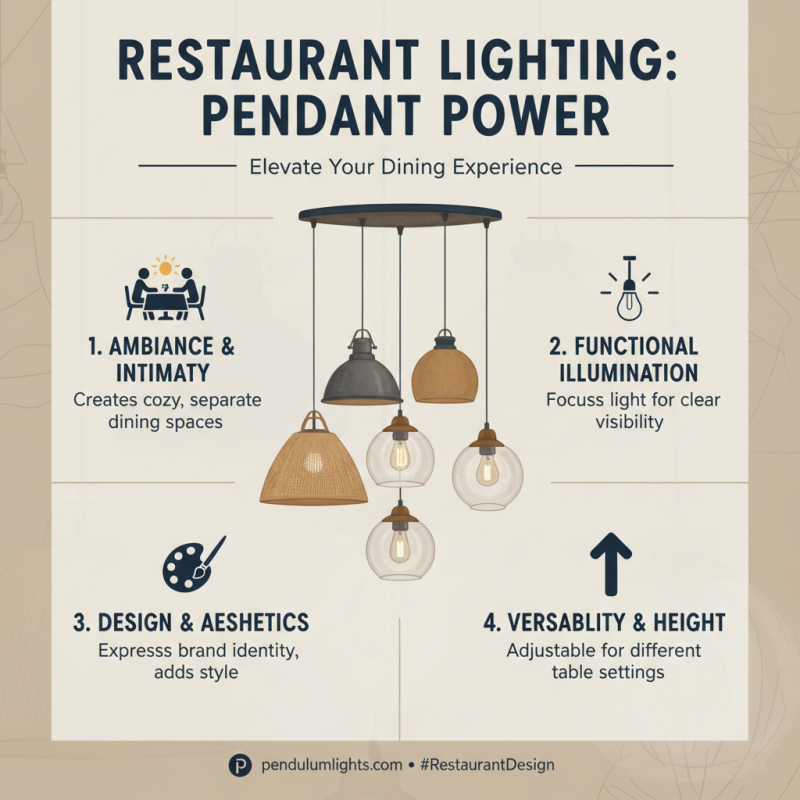
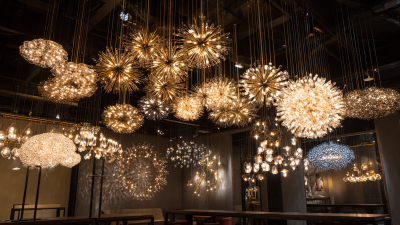
When selecting lighting fixtures for a restaurant, it's essential to consider both aesthetics and functionality, as the right lighting can significantly enhance the dining experience. One popular choice for restaurant settings is pendant lighting. These fixtures can be hung at varying heights above tables, creating intimate spaces while also providing adequate light for diners. Their diverse styles and designs enable restaurants to incorporate unique artistic touches that reflect their brand identity.
Another effective type of lighting fixture is wall sconces. These are particularly beneficial in creating a warm and inviting atmosphere without overwhelming the space. Wall-mounted lights can serve as decorative elements while providing ambient light, making them ideal for hallways, entryways, or areas where overhead fixtures might not be suitable. Additionally, adjustable wall sconces can be used to highlight specific areas, such as artwork or architectural features, further enhancing the restaurant's overall ambiance.
Lastly, incorporating LED strip lighting in unexpected places, like under counters or along shelves, can add a modern flair to the restaurant's interior. This type of lighting not only improves visibility but also creates a subtle glow that adds depth and dimension to the environment. By carefully selecting a combination of these lighting fixtures, restaurant owners can create a cohesive design that elevates the overall dining experience, making it more enjoyable for their guests.
How to Balance Functionality and Aesthetics in Restaurant Lighting
When it comes to restaurant lighting, striking the right balance between functionality and aesthetics is crucial for creating a captivating atmosphere. According to a study by the International Journal of Hospitality Management, ambient lighting can enhance a customer’s overall dining experience, influencing their mood and increasing their likelihood to return. This underscores the importance of thoughtful lighting choices that meet both practical needs and design objectives.
To achieve the ideal balance, consider the layout and purpose of different areas within your restaurant. Use softer, warmer lighting in dining spaces to foster a relaxed ambiance, while brighter, task-oriented lighting is essential in kitchen and preparation areas for staff efficiency. Incorporating dimmable lights can also allow for flexibility depending on the time of day and desired atmosphere.
**Tips:** Always prioritize the quality of light; using LED fixtures not only reduces energy costs but also allows for better control over brightness and color temperature. Additionally, integrating decorative fixtures can serve as focal points, enhancing the overall aesthetic while maintaining functionality. Emphasize pathways and critical operational areas with well-placed accent lighting, ensuring safety without sacrificing style. Balancing these elements will ensure your restaurant is not just a meal stop, but an inviting experience.
Lighting Options and Their Impact on Restaurant Ambiance
Tips for Selecting Color Temperature to Set the Mood
When selecting the color temperature for restaurant lighting, it's essential to understand how it influences the overall mood and guest experience. Color temperature is measured in Kelvin (K), and it ranges from warm to cool light. Warm white light, typically around 2700K to 3000K, creates an inviting and cozy atmosphere, perfect for casual dining or intimate gatherings. This softer lighting fosters conversation and relaxation, encouraging diners to linger longer and enjoy their meals.
To effectively choose the right color temperature, consider the type of cuisine and the dining experience you wish to convey. For instance, if your restaurant emphasizes a sophisticated dining experience, a color temperature of around 3000K can enhance elegance without sacrificing comfort. For more energetic environments, like a trendy bistro or a vibrant cafe, slightly cooler lighting—around 3500K—can stimulate activity and enhance enjoyment by keeping the atmosphere upbeat.
Finally, it's important to test different lighting setups in your space. Experiment with dimmers and adjustable lighting fixtures to find the perfect balance for your establishment. Layering different light sources can also create depth and allow you to modify the ambiance according to the time of day or special events. By carefully selecting your color temperature and employing versatile lighting solutions, you can significantly elevate the dining experience and make your restaurant stand out.
Incorporating Adjustable Lighting for Versatile Dining Experiences
Adjustable lighting is a powerful tool for creating versatile dining experiences that cater to various moods and occasions. By integrating dimmable fixtures or layered lighting schemes, restaurants can easily transform the atmosphere from bright and energetic during busy lunch hours to a cozy and intimate setting for evening dinners. This flexibility allows diners to feel comfortable and engaged, encouraging them to linger longer and enjoy their meals.
Incorporating different types of adjustable lighting can enhance the overall ambiance significantly. For example, pendant lights can be adjusted in brightness and positioning to create focal points above tables, while wall sconces can offer softer lighting that adds warmth to the space. Additionally, using smart lighting systems allows for easy transitions between various settings, making it possible for restaurants to adapt their lighting quickly according to the time of day or special events. Such thoughtful integration of lighting elements not only improves the dining experience but also reflects the restaurant's brand identity and style.