Maximizing Your Home's Natural Light: The Science of Window Lighting for Healthier Living Spaces
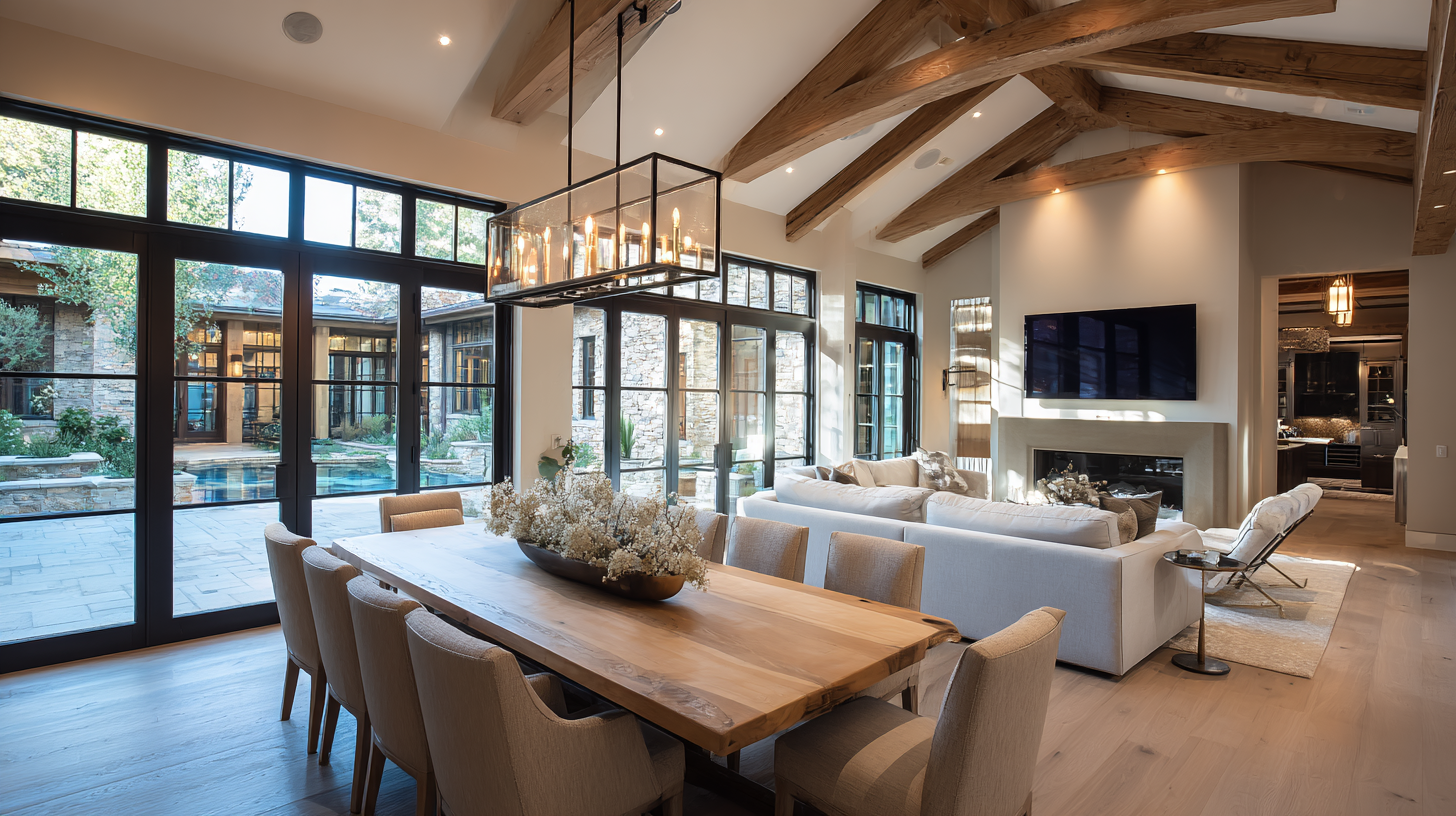
Natural light is a powerful ally in creating healthier living spaces, and understanding the science of "Window Lighting" can significantly enhance our well-being. Research indicates that exposure to natural light can improve mood, increase productivity, and even boost overall health. For instance, a study published in the journal *Environmental Health Perspectives* found that individuals who work in environments with ample natural light reported a 51% decrease in eyestrain and a 63% reduction in headaches. Furthermore, the American Society of Interior Designers states that maximizing window lighting can lead to a more vibrant atmosphere, encouraging physical and mental wellness. By strategically designing our living spaces to optimize natural light flow, we not only enrich our homes but also elevate our daily experiences, making the investment in window lighting design a crucial step towards healthier living environments.
Understanding the Benefits of Natural Light in Home Environments
The impact of natural light on our living spaces is profound, contributing significantly to both physical and mental well-being. Recent studies have shown that access to natural light can enhance mood, boost cognitive performance, and even improve social interactions. According to research from Alan Hedge, exposure to natural light in office environments is linked to increased productivity and overall job satisfaction. This is not merely a subjective experience; medical research highlights that natural light serves as a "magic medicine,” particularly in alleviating symptoms of depression and anxiety.
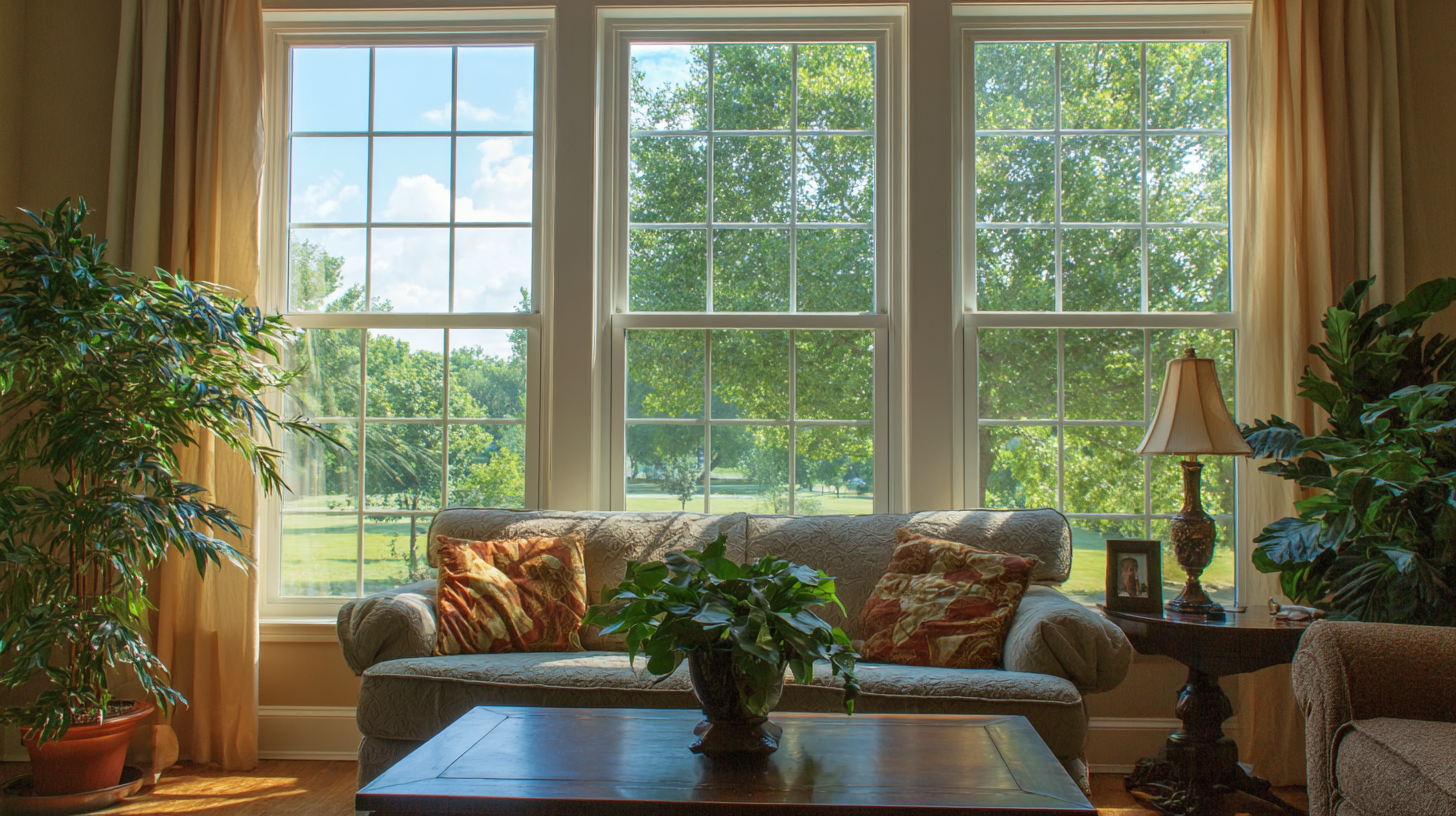
In addition to boosting mental health, the design of our living and working environments can further optimize the benefits of natural light. As reported in recent reviews on sustainable indoor lighting, well-designed lighting systems that maximize natural light can improve energy efficiency while nurturing human well-being. For instance, incorporating smart textiles that allow for adaptive light filtering can enhance the quality of light entering a space, aligning with our natural circadian rhythms. Emphasizing these components not only enriches our interactions with the environment but also reinforces the importance of integrating natural light into home furnishings for healthier living spaces.
Key Factors in Designing Windows for Optimal Daylight Access
When designing windows for optimal daylight access, several key factors must be considered to maximize natural light while enhancing the overall aesthetic and functionality of living spaces. The placement and size of windows play a crucial role; larger windows positioned on south or west-facing walls can capture more sunlight throughout the day. This not only brightens interiors but also reduces the need for artificial lighting, promoting a more energy-efficient home.
Additionally, the type of glazing used can significantly influence the quality of light entering a space. Low-emissivity (low-E) glass allows sunlight to pass through while reflecting heat, maintaining a comfortable indoor climate. Moreover, the incorporation of features such as skylights and clerestory windows can further enhance daylight access, creating a more open and inviting atmosphere. By thoughtfully designing windows to harness the sun’s energy, homeowners can create healthier living environments that foster well-being and reduce reliance on electric lighting.
Maximizing Your Home's Natural Light: The Science of Window Lighting for Healthier Living Spaces
| Factor |
Description |
Impact on Natural Light |
Recommended Solutions |
| Window Size |
The area of the window that allows natural light to enter. |
Larger windows increase light exposure significantly. |
Install larger windows or use sliding glass doors. |
| Window Placement |
Strategic positioning of windows for optimal sunlight access. |
Proper placement can reduce glare and enhance light intake. |
Consider south-facing or east-facing window placements. |
| Window Type |
Different styles provide varied light flow and aesthetics. |
Some window types block less light, improving access. |
Opt for casement or awning windows for better light access. |
| Glass Type |
Glass quality affects clarity and heat retention. |
High-transparency glass maximizes daylight access. |
Consider low-E glass for energy efficiency with light access. |
| Surrounding Landscape |
Trees or buildings can block sunlight. |
Obstructions can significantly reduce light in living spaces. |
Trim trees or use landscaping to enhance light flow. |
Innovative Window Treatments that Enhance Natural Light
Innovative window treatments play a crucial role in maximizing the natural light that floods your living spaces while enhancing the overall aesthetic of your home.
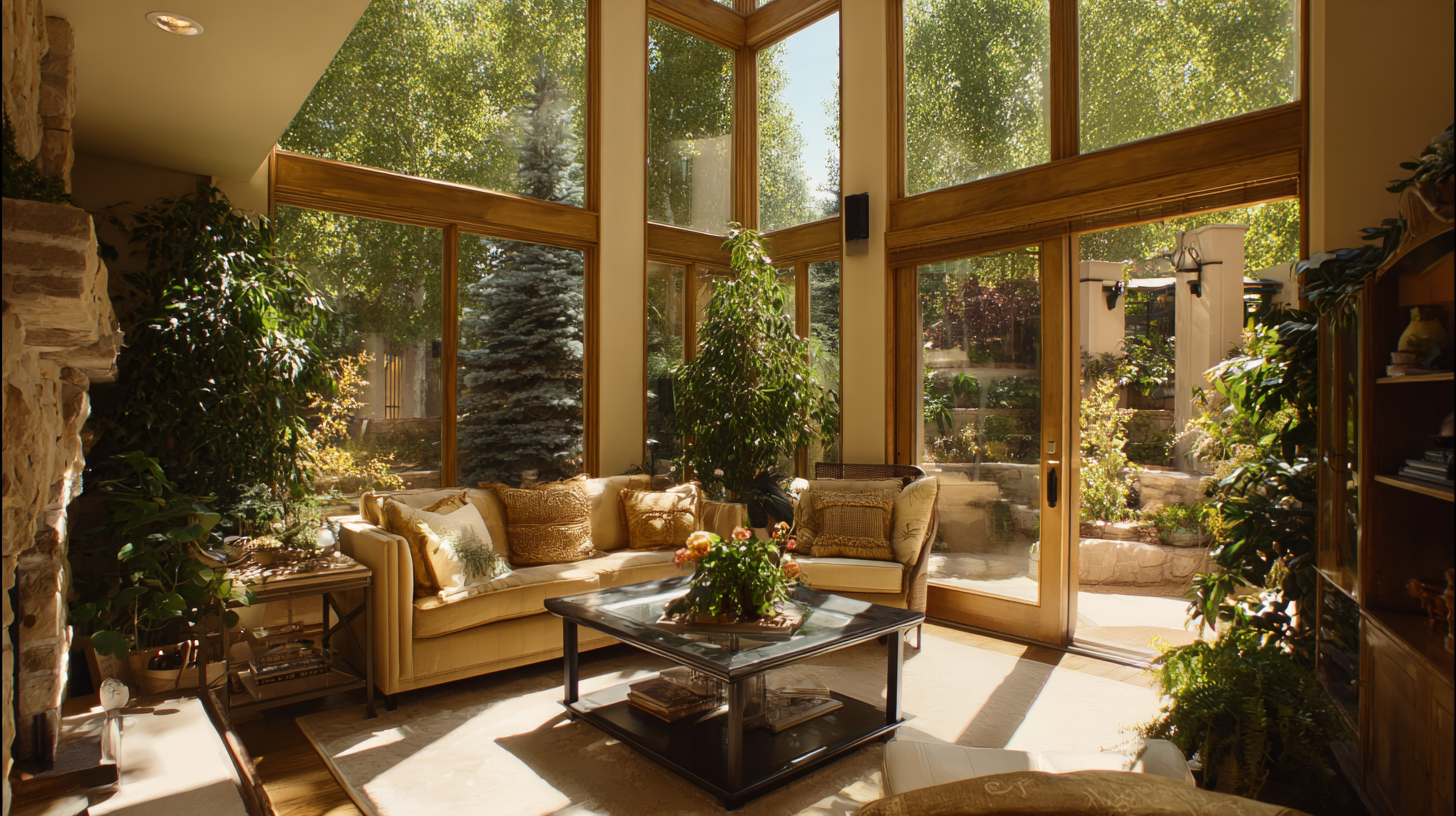 Sheer curtains, for example, allow soft light to filter through while still providing some level of privacy. Their delicate texture diffuses sunlight, creating a warm glow that can elevate the mood of any room. Additionally, light-colored drapes can reflect rather than absorb light, making spaces feel airier and more inviting.
Tips: When selecting window treatments, consider materials and colors that complement your existing decor while promoting brightness. Layering curtains with blinds can offer versatile light control, allowing you to adjust how much natural light enters your space throughout the day. Furthermore, clever use of window films can provide insulation and privacy without sacrificing daylight.
Another innovative option is the use of smart blinds, which can be programmed to open and close based on the time of day or the amount of sunlight. This not only manages light levels effectively but also helps optimize energy efficiency in your home, contributing to a healthier environment. Embracing these modern solutions can transform your space, ensuring it remains a beacon of natural light.
Exploring the Psychological Impact of Sunlight on Well-Being
Natural light plays a crucial role in our well-being, affecting both our physical health and mental state. Research indicates that exposure to sunlight can lead to increased serotonin levels, a neurotransmitter that stabilizes mood and feelings of happiness. A study published by the National Center for Biotechnology Information found that individuals showed significantly lower levels of depression and anxiety when exposed to natural light for at least two hours a day. Sunlight also helps regulate our circadian rhythms, which can lead to improved sleep patterns and overall health.
To maximize the benefits of sunlight in your home, consider the following tips:
1. Strategic Window Placement: When building or renovating, position windows to capture maximum sunlight throughout the day. South-facing windows often provide the most direct sunlight.
2. Use Reflective Surfaces: Decorate with light colors and incorporate mirrors or shiny surfaces to help reflect sunlight deeper into your living space. This simple change can illuminate areas that might otherwise feel dark and claustrophobic.
3. Limit Obstructions: Trim back trees or bushes that block sunlight from entering your home. Regularly clean your windows to ensure they’re clear of dirt and grime, allowing as much natural light in as possible.
Incorporating these strategies into your living environment not only enhances the aesthetic appeal but significantly contributes to your psychological wellness.
Practical Tips for Positioning Furniture to Maximize Light Exposure
When it comes to creating a healthier living space, maximizing natural light is crucial. Studies have shown that natural light not only boosts mood but also improves productivity. According to research from the American Society of Interior Designers, natural lighting can enhance a person's quality of life, reduce eyestrain, and even promote better sleep patterns. Positioning furniture thoughtfully is one key strategy to optimize light exposure throughout your home.
One effective tip is to place larger furniture pieces, such as sofas and bookcases, away from windows to avoid blocking sunlight. Instead, consider utilizing lighter colors for your furniture and decor, as they reflect light more effectively, contributing to a brighter environment. Additionally, mirrors can serve as valuable tools; placing them across from windows can help bounce natural light deeper into your space.
Finally, try to arrange seating areas to benefit from daylight. By positioning chairs or loungers near windows, you encourage natural light to flow into your living areas, making them feel more spacious and inviting. Research from the National Sleep Foundation indicates that exposure to natural light during the day can improve sleep quality at night, proving that thoughtful furniture arrangement can lead to better overall well-being.
Maximizing Natural Light in Living Spaces