How to Tell If Chocolate Has Expired?
Chocolate is a beloved treat enjoyed by many. However, concerns about Chocolate expiration often arise. Knowing when chocolate has gone bad is essential to ensure safety and taste.
Chocolate expiration can be tricky. Unlike other foods, chocolate does not spoil in the traditional sense. Instead, it may lose flavor or texture over time. Factors like storage conditions play a crucial role. If stored in a cool, dark place, chocolate can last longer.
Yet, the signs of expired chocolate are worth noting. A change in smell, color, or texture may indicate it is time to discard it. White streaks, known as bloom, are common but don't necessarily mean the chocolate is unsafe. A careful assessment will help you decide whether to indulge or toss it away. It's a simple yet important process to prevent disappointment and ensure a delightful chocolate experience.
Visual Signs of Expired Chocolate: What to Look For
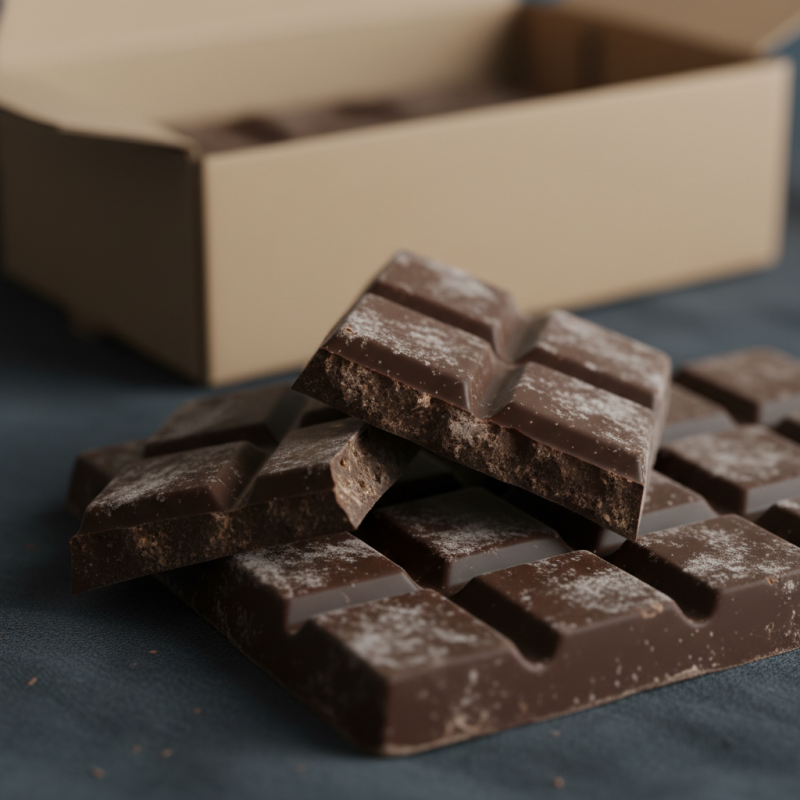
When checking if chocolate has expired, visual cues are your first line of defense. Look for a dull or grayish surface. This could indicate a process called bloom, where fat crystals rise to the surface. While the chocolate might still be safe to eat, its taste and texture may be compromised.
Cracks or signs of dampness are concerning. This suggests that moisture has affected the chocolate, potentially leading to mold. If you see any unusual spots or a powdery texture, consider discarding it. Additionally, an unnatural sheen or sticky feel could indicate the chocolate has seen better days. White spots might not be mold, but they can signal that the chocolate has aged.
You might notice a shift in the color over time. Dark chocolate should remain deep and rich, while milk chocolate can become lighter. If the smell is off, trust your instincts. A sour or unusual aroma is a clear red flag. Allow your eyes and nose to guide you through the process.
Understanding the Shelf Life of Different Types of Chocolate
Understanding the shelf life of different types of chocolate is essential for any chocolate lover. Dark chocolate can last the longest. It may remain good for up to two years if stored properly. This is due to its higher cocoa content and lower moisture. Look for a dull finish or white spots; these may indicate age, but the chocolate is often still safe to eat.
Milk chocolate has a shorter shelf life. Generally, it lasts about one year. The milk solids can spoil, affecting taste and texture. You might notice a waxy layer or a slight graininess as it ages. These changes can alter the experience, but it doesn’t mean it's bad yet.
White chocolate has the shortest lifespan. It typically only keeps for around six to eight months. It's more sensitive to heat and moisture. When it starts to smell off or loses its creamy texture, it’s best to toss it away. Fresh chocolate has a distinct aroma and snap. If your chocolate lacks this, it could be time for a reflection on how long it's been around.
Chocolate Shelf Life by Type
This chart visualizes the shelf life of various types of chocolate. Dark chocolate has the longest shelf life at 24 months, while white chocolate has the shortest at 6 months. Understanding these differences can help ensure you enjoy your chocolate at its best!
How to Check for Changes in Texture and Aroma
When examining chocolate for freshness, texture and aroma are key indicators. Gently squeeze a piece of chocolate. It should feel firm yet flexible. If it crumbles easily or feels dry, it may have deteriorated. Dull and lifeless chocolate can signal aging. Perfect chocolate has a slight sheen, and this sheen can fade over time.
Next, consider the aroma. Fresh chocolate has a rich, inviting scent. As it ages, this fragrance may fade. You might notice a musty or off smell, indicating spoilage. Chocolate that has lost its aroma is less enjoyable. Don’t ignore your senses. Trust your instincts when something feels or smells off.
Textures can change too. Healthy chocolate should snap cleanly when broken. If it’s soft or sticky, that’s a red flag. Small specks or a powdery coating might indicate blooming. This isn’t harmful, but it suggests the chocolate’s quality is compromised. While it’s not always easy to recognize, these signs are important to ensure you’re treating yourself to a delightful experience.
How to Tell If Chocolate Has Expired? - How to Check for Changes in Texture and Aroma
| Attribute | Description | Signs of Expiration |
| Texture | Should be smooth and firm. | If it feels grainy or crumbly, it may be expired. |
| Aroma | Rich and sweet cocoa scent. | If it has a stale or off smell, it can indicate expiration. |
| Color | Should be vibrant and even colored. | Dull or faded color can suggest it is old. |
| Taste | Pleasantly sweet or rich. | Bitter or sour taste indicates it may be spoiled. |
| Bloom | Surface should be smooth, without any white powder. | White powder on the surface shows fat bloom or sugar bloom. |
The Role of Storage Conditions in Chocolate Freshness
Storage conditions play a crucial role in the freshness of chocolate. Chocolate can last anywhere from several months to a couple of years, depending primarily on how it is stored. According to a study by the Chocolate Research Journal, chocolate stored in cool, dry environments retains its quality much longer than that kept in warm or humid conditions. Proper storage can reduce the likelihood of unwanted odors and texture changes.
Humidity is a silent enemy of chocolate. High humidity can lead to sugar bloom, which creates a white, dusty appearance on the surface. This doesn't make chocolate unsafe but does affect its quality. Ideally, chocolate should be stored at temperatures between 65°F and 70°F (18°C to 21°C). Even minor fluctuations can degrade its taste and aroma. A surprising statistic shows that approximately 30% of consumers do not realize the significance of temperature and humidity.
It’s worth noting that even high-quality chocolate has a shelf life. After a year, flavors might not be as vibrant. Unsound storage habits can accelerate this process. Light exposure can also fade chocolate's flavor profile. A common mistake is keeping chocolate near strong-smelling foods. This practice can lead to off-flavors. Recognizing these factors can help extend the life of your chocolate treats.
Safe Practices for Using Expired Chocolate in Recipes
When chocolate has passed its expiration date, it may still be safe to use in recipes. Studies indicate that chocolate can remain edible for months, even years, if stored properly. However, the quality may decline. A survey by the Candy Manufacturers Association suggests that 70% of people ignore expiration labels.
Identifying expired chocolate involves looking for signs such as white spots, known as bloom. This occurs when fat rises to the surface. While it might not look appealing, it doesn't necessarily indicate that the chocolate is unsafe. Another tip is to perform a smell test. If the aroma is off, it's better not to use it. Remember, taste is subjective; even a dated chocolate can still add depth to a dessert.
When incorporating expired chocolate into recipes, try melting it down for brownies or cookies. The baking process can mask minor flavor changes. According to food waste statistics, about 30-40% of the food supply is wasted. Using stale chocolate helps reduce this waste. Experiment with textures—grind expired chocolate into hot cocoa or mix it into smoothies. A little creativity can turn discarded chocolate into delightful treats. Remember to trust your instincts; if it feels wrong, don’t use it.