5 Essential Tips for Perfecting Your Gallery Lighting Setup
When it comes to showcasing art, few elements are as crucial as
effective gallery lighting.
The right lighting not only enhances the visual appeal of the artwork but also sets the mood and tone of the exhibition space.
However, achieving the perfect gallery lighting setup requires careful consideration and planning.
Whether you are an artist, curator, or gallery owner, understanding the fundamentals of gallery lighting can transform how your artwork is perceived.
In this blog post, we will explore five essential tips for perfecting your gallery lighting setup,
ensuring that each piece of art is presented in the best possible light. From choosing the right fixtures to adjusting the angles and intensity,
mastering these techniques will elevate your gallery space and captivate your audience.
Choosing the Right Fixtures: Types of Lighting for Art Galleries
Choosing the right fixtures for your art gallery is crucial in enhancing the visual appeal of artworks while ensuring their preservation. Studies indicate that up to 80% of visitor engagement is influenced by lighting conditions. There are three main types of lighting fixtures to consider: ambient, spotlight, and accent lighting. Ambient lighting provides a general illumination, crucial for creating a comfortable viewing environment, while spotlighting focuses on specific pieces, emphasizing their colors and textures.
When selecting fixtures, consider using LED lighting, which is favored for its low heat output and energy efficiency. According to the U.S. Department of Energy, LED lighting consumes up to 75% less energy than incandescent bulbs and has a lifespan of about 25,000 hours. This not only reduces operational costs but also minimizes the risk of damaging sensitive artworks with excessive heat.
Tip: Always ensure that the color temperature of your lighting corresponds with the tone of the artwork. A warm color temperature (around 2700K) is generally ideal for paintings, as it enhances their richness, whereas a cooler temperature (around 5000K) can be preferable for textiles or modern art pieces. This attention to detail will elevate the viewer's experience, drawing them closer to the art you wish to showcase.
5 Essential Tips for Perfecting Your Gallery Lighting Setup
| Lighting Type |
Color Temperature (Kelvin) |
CRI (Color Rendering Index) |
Best Uses |
| LED Spotlights |
2700K - 3000K |
90+ |
Highlighting art pieces, wall sconces |
| Fluorescent Lighting |
3500K - 4100K |
80+ |
General lighting and environments with high ceilings |
| Incandescent Bulbs |
2700K |
100 |
Creating a warm, inviting atmosphere |
| Track Lighting |
3000K |
85+ |
Versatile gallery exhibitions and custom art installations |
| Natural Daylight LEDs |
5000K - 6500K |
90+ |
Ideal for showcasing color accuracy |
The Importance of Color Temperature in Gallery Lighting Design
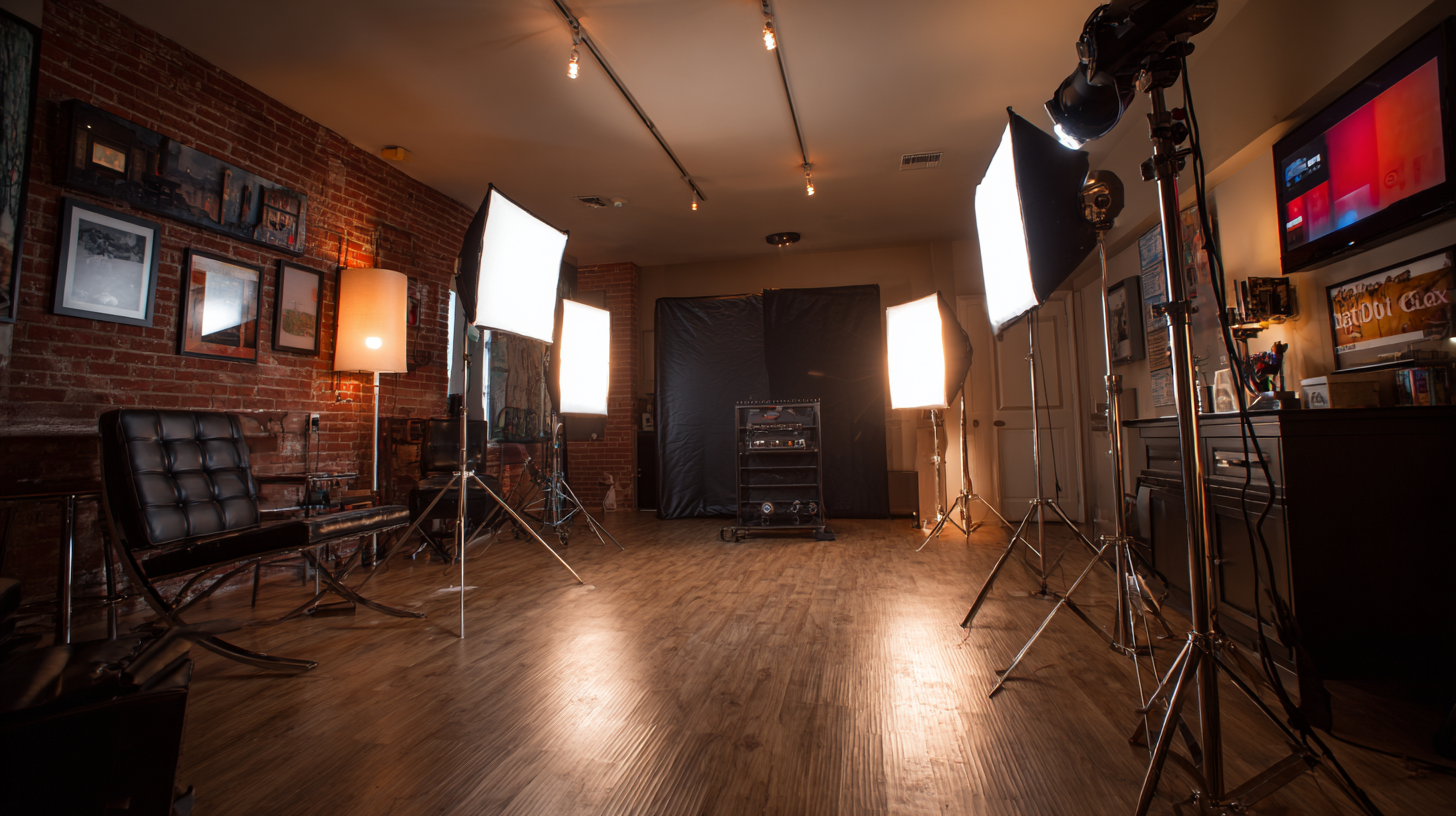 Color temperature plays a fundamental role in gallery lighting design, profoundly influencing how art is perceived and enjoyed by viewers. During the recent Guangzhou International Lighting Exhibition (GILE 2025), lighting manufacturers showcased innovative technologies aimed at enhancing color accuracy and facilitating effective showcase of artworks. Research indicates that artworks illuminated under various color temperatures can evoke different emotional responses; for instance, cooler temperatures tend to highlight details in abstract pieces, while warmer tones can deepen the appreciation of representational artworks.
A study examining the impact of architectural lighting on marketing communication revealed that 70% of participants felt their emotional experiences with paintings were intensified by well-calibrated lighting setups. Furthermore, the importance of accurate color representation cannot be overstated, as mismanaged color temperature can lead to distortion in the perceived hue of an artwork, affecting both appreciation and emotional connection. The integration of advanced LED technologies not only promises efficiency but also precision in controlling the color temperature levels, ensuring that each artwork is displayed in its most authentic light.
Layering Light: Combining Ambient, Accent, and Task Lighting
When designing the perfect gallery lighting setup, understanding the importance of layering light is crucial. Combining ambient, accent, and task lighting can create a visually dynamic environment that not only enhances the artwork on display but also elevates the overall experience for visitors.
To begin with, ambient lighting serves as the foundation of your lighting scheme. This general illumination should be soft and even, allowing viewers to appreciate the gallery space itself. Consider using dimmable overhead fixtures or wall sconces that can be adjusted based on the time of day and type of artwork being showcased.
Next, accent lighting allows you to highlight specific pieces or features within the gallery. Use spotlights or track lighting to draw attention to key artworks, creating focal points that guide the visitor's eye. Finally, don't forget about task lighting. This type of lighting is essential for areas where viewers may need to read labels or engage with interactive installations. Desk lamps or reading lights can maintain visibility without detracting from the surrounding ambiance.
By thoughtfully layering these three types of lighting, your gallery will become an inviting and engaging space for all who visit.
Avoiding Glare: Strategic Placement of Artworks and Lights
When it comes to showcasing artwork, the strategic placement of both the artworks and the lights is crucial to avoid glare and enhance visibility. According to industry studies, improper lighting can diminish the impact of artwork by up to 50%, making it essential for gallery owners and designers to carefully consider their lighting setups. Utilizing techniques such as spot lighting at the right angles can minimize direct glare and highlight the textures and colors of the pieces on display.
Incorporating reflective surfaces into your design can further improve the overall lighting of the gallery space. The strategic placement of mirrors can help in expanding the perception of space and introducing additional light. One study found that well-placed mirrors can increase the brightness of a room by reflecting both natural and artificial light, thus enhancing the visibility of the artwork. This allows visitors to engage more deeply with the art, creating a more immersive experience.
Balancing light sources and their placement can transform a gallery into a dynamic space that not only showcases art effectively but also elevates the viewer's experience.
Energy Efficiency in Gallery Lighting: Tips for Sustainability
When it comes to gallery lighting, energy efficiency plays a crucial role in promoting sustainability while enhancing the viewer's experience. According to the U.S. Department of Energy, lighting accounts for approximately 30% of a gallery's total energy consumption. By opting for LED lighting, galleries can dramatically reduce this figure, with LEDs using up to 75% less energy compared to traditional incandescent bulbs. This transition not only minimizes annual energy costs but also lowers the carbon footprint associated with gallery operations.
Moreover, implementing smart lighting technologies further boosts energy efficiency. A report by the International Energy Agency estimates that integrating controls such as occupancy sensors and dimming systems can lead to energy savings of 20-60%. These systems allow gallery operators to adjust lighting based on real-time needs, ensuring that artworks are showcased effectively while conserving energy. By prioritizing energy-efficient solutions, galleries can create a sustainable environment that resonates with both the art community and eco-conscious visitors.