Essential Tips for Choosing Temporary Work Lights?
When choosing Temporary Work Lights, several key factors come into play. The market for portable lighting solutions has grown significantly, with a projected annual growth rate of 6.5% from 2021 to 2028, according to industry reports. This growth reflects a rising need for reliable illumination across various sectors, including construction, event management, and emergency response.
Temporary Work Lights are essential for enhancing visibility and ensuring safety in work environments. Professionals often overlook the impact of lighting quality on productivity and accuracy. Studies show that adequate lighting can improve focus by up to 20%. Selecting the right lighting is not just about brightness. Factors such as durability, energy efficiency, and ease of transportation should also be considered.
Many buyers make the mistake of prioritizing cost over quality. While budget constraints are important, investing in high-quality Temporary Work Lights can prevent future expenses related to replacements and repairs. It's crucial to balance affordability and effectiveness. Users should research product specifications and customer reviews to find dependable options that suit their specific needs.
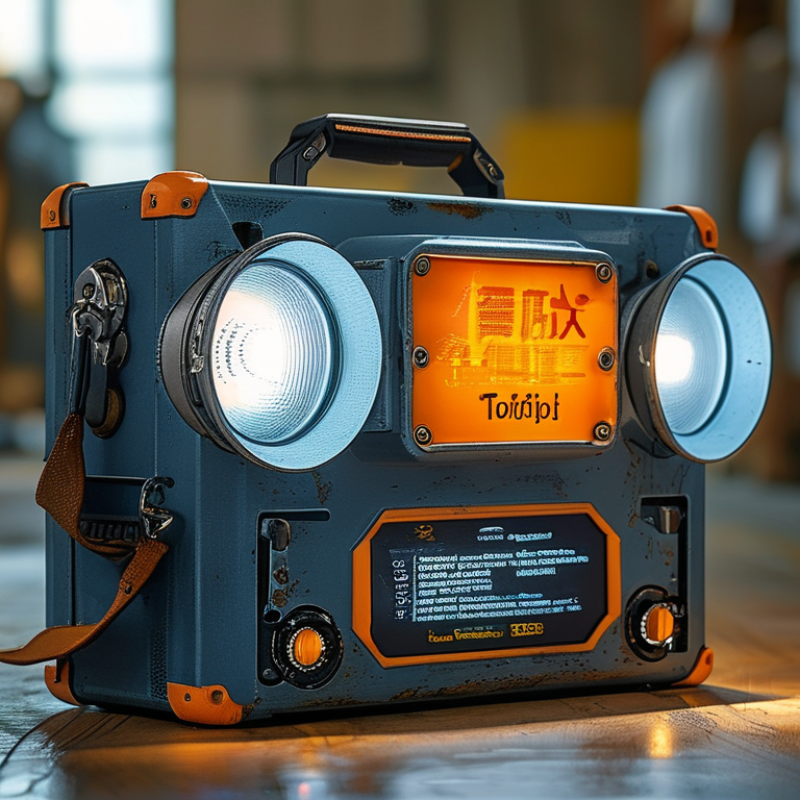
Types of Temporary Work Lights: Overview of Options Available
When selecting temporary work lights, consider the various types available in the market. The most common options include LED lights, halogen fixtures, and fluorescent models.
LED lights are often preferred for their energy efficiency and durability. According to a report by the U.S. Department of Energy, LED lighting consumes up to 75% less energy than incandescent lighting and lasts 25 times longer. Halogen lights, while providing a high intensity of illumination, tend to generate more heat and consume more power. Fluorescent lights offer a middle ground, providing decent brightness at a lower energy cost but potentially contain harmful materials, raising safety concerns.
When choosing lights, assess your specific needs. Think about the work environment and whether the lights will be exposed to rough conditions. Durability is critical when working outdoors or in construction sites. Ensure that the lights are rated for these environments.
Consider weight and portability if you plan to move lights frequently. Easy setup can save time, especially in project-based work. Verify the maintenance requirements to minimize downtime. Remember, well-lit areas enhance safety and productivity, but poor lighting can lead to accidents. Proper lighting choices reflect attention to detail and can significantly impact project outcomes.
Key Factors to Consider When Choosing Work Lights
When selecting temporary work lights, several key factors come into play. Consider the type of environment where the lights will be used. Indoor setups often need less intense illumination compared to outdoor sites. A light's brightness, measured in lumens, directly impacts visibility. Too bright can cause glare; too dim may not suffice.
Power sources are crucial. Battery-operated lights offer flexibility, but they may lack prolonged power. Alternatively, corded lights provide consistent light but can hinder mobility. Think about the duration for which lights will be needed. Short jobs may not require extensive wiring or heavy-duty options.
Also, assess the construction of the lamps. Durable materials can withstand harsh conditions. Look for weatherproof options if using outdoors. Portability is another concern—lights should be easy to transport and set up. Reflect on your specific needs and preferences to determine what features matter most. While options abound, making thoughtful choices ensures you have reliable illumination when it counts.
Understanding Brightness and Wattage for Temporary Illumination
When selecting temporary work lights, understanding brightness and wattage is crucial. The brightness of a light source is measured in lumens. Higher lumens mean brighter light. For outdoor jobs or large areas, at least 1,000 to 2,000 lumens are recommended. For indoor tasks, around 500 to 1,000 lumens can suffice. However, the ideal level depends on specific needs.
Wattage, on the other hand, indicates energy consumption. A high wattage means more power, but this does not always equate to brighter light. For example, LED lights provide significant brightness with lower wattage. This aspect can save on energy costs. Be mindful of the balance between wattage and lumens to ensure efficiency in temporary setups.
Consider the working environment too. If you have reflective surfaces, you might need less wattage for adequate brightness. This can also create glare, leading to discomfort. Keep in mind how shadows can affect visibility. The essence is to adapt the lighting choice based on your workspace. Temporary lighting can be a vital resource or a frustrating burden, depending on how well you understand these key factors.
Safety Features to Look for in Temporary Work Lights
When selecting temporary work lights, safety features are paramount. Look for lights that are built with sturdy materials. This ensures durability, especially in harsh environments. A shockproof and weather-resistant housing is essential. It protects the light from accidental drops and adverse weather conditions.
Consider the light's design as well. Anti-glare elements help prevent eye strain in workers. Additionally, having a light that can easily be mounted or positioned reduces the risk of accidents. Check for cord length too. Longer cords provide flexibility, but they should be housed securely to prevent tripping.
Another critical feature is overheat protection. Lights that automatically shut off when getting too hot can prevent fires. Regular inspections are needed to ensure these features work properly. Always remember, even minor issues can lead to serious accidents. Prioritize safety to enhance productivity and worker confidence.
Energy Efficiency and Cost Considerations for Work Lighting
When selecting temporary work lights, energy efficiency should be a top priority. Reports show that LED lights consume up to 80% less energy than traditional incandescent bulbs. This efficiency translates directly into cost savings. For instance, if a job site uses 10 incandescent lights at 60 watts each for 8 hours a day, the total energy cost can soar, leading to high utility bills.
In contrast, using LED lights can drastically reduce this expense. A similar setup using LED lights rated at 10 watts would dramatically decrease the energy consumption. Lower wattage means lower electricity bills, and with the rising costs of energy, every savings counts. Beyond energy use, the lifespan of LED lights is notable. They often last up to 25,000 hours. This reduces the frequency of replacements, leading to further savings.
However, it’s crucial to weigh the initial investment against long-term savings. The upfront cost of high-quality LED lights might be higher. Some businesses may hesitate due to budget constraints. Recognizing this dilemma is essential. Temporary lighting needs vary widely. Tailoring choices to specific project requirements helps in striking a balance between cost and performance.
Energy Efficiency of Temporary Work Lights