How to Enhance Customer Experience with Effective Store Lighting
In the competitive landscape of retail, creating an unforgettable customer experience is paramount, and one of the most powerful tools at a store's disposal is effective store lighting. The right lighting not only enhances the aesthetic appeal of a retail space but also influences customer behavior, mood, and overall satisfaction.
By strategically utilizing store lighting, retailers can highlight products, draw attention to promotional displays, and create an inviting atmosphere that encourages shoppers to linger longer and make purchases. In this guide, we will explore best practices for optimizing store lighting, uncovering how it can be leveraged to improve customer experience, boost sales, and foster brand loyalty.
Whether you're redesigning your existing layout or planning a new store, understanding the impact of lighting will be crucial for transforming your retail environment into an engaging and enjoyable shopping destination.
Understanding the Psychology of Light and Its Impact on Shopping Behavior
Effective store lighting plays a crucial role in enhancing customer experience by influencing shopper behavior through the psychology of light. Studies indicate that lighting can increase the likelihood of purchase by over 40%, as it affects mood and perception. For instance, warm lighting typically creates a welcoming environment, encouraging customers to linger longer and spend more. Conversely, harsh fluorescent lights may create discomfort, prompting customers to leave quickly, which could result in lost sales.
Additionally, a recent report highlighted that consumers are increasingly drawn to experiential shopping, where ambiance significantly impacts their spending habits. When shoppers are in a pleasant lighting environment, they are more prone to impulsive buying, often as a response to emotional triggers. This aligns with findings from psychology experts, who suggest that environments that evoke positive feelings can lower customers' guard regarding spending, leading to increased impulse purchases. Thus, retailers must harness the power of effective lighting to not only attract customers but also enhance their overall shopping experience, ultimately driving sales.
How to Enhance Customer Experience with Effective Store Lighting
| Lighting Type |
Color Temperature (Kelvin) |
Impact on Mood |
Shopping Behavior |
Recommended Areas |
| Warm White LED |
2700K - 3000K |
Cozy, Inviting |
Increases dwell time |
Living Spaces, Cafes |
| Cool White LED |
3500K - 4100K |
Energetic, Alert |
Encourages purchasing decisions |
Retail, Workspaces |
| Daylight LED |
5000K - 6500K |
Awake, Focused |
Increases attention to detail |
Showrooms, Galleries |
| Accent Lighting |
Varies |
Dramatic, Engaging |
Highlights key products |
Displays, Feature Areas |
| Natural Light Simulation |
6000K and above |
Natural, Harmonious |
Increases satisfaction |
Fitting Rooms, Spas |
Choosing the Right Lighting Types for Different Retail Environments
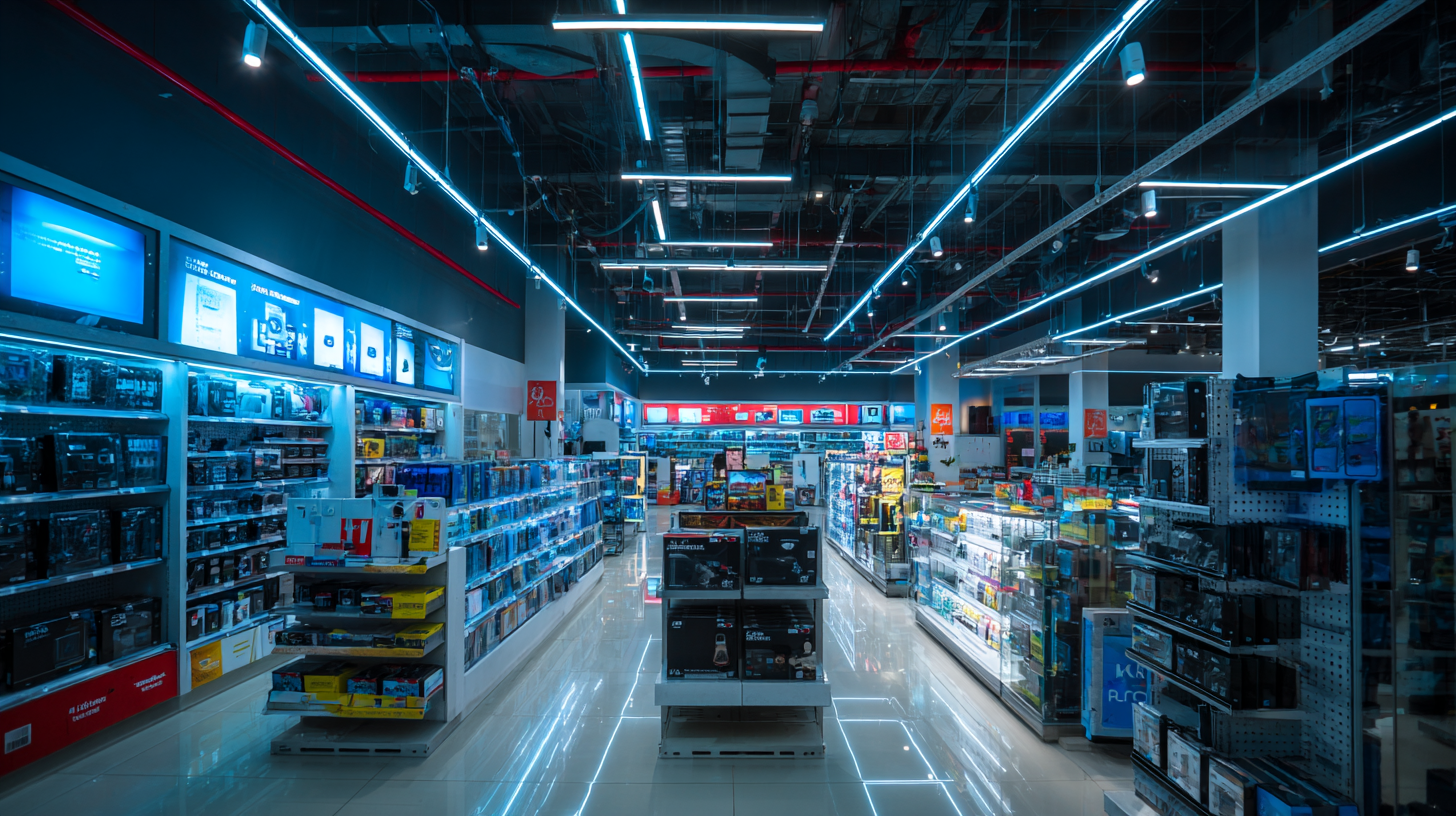
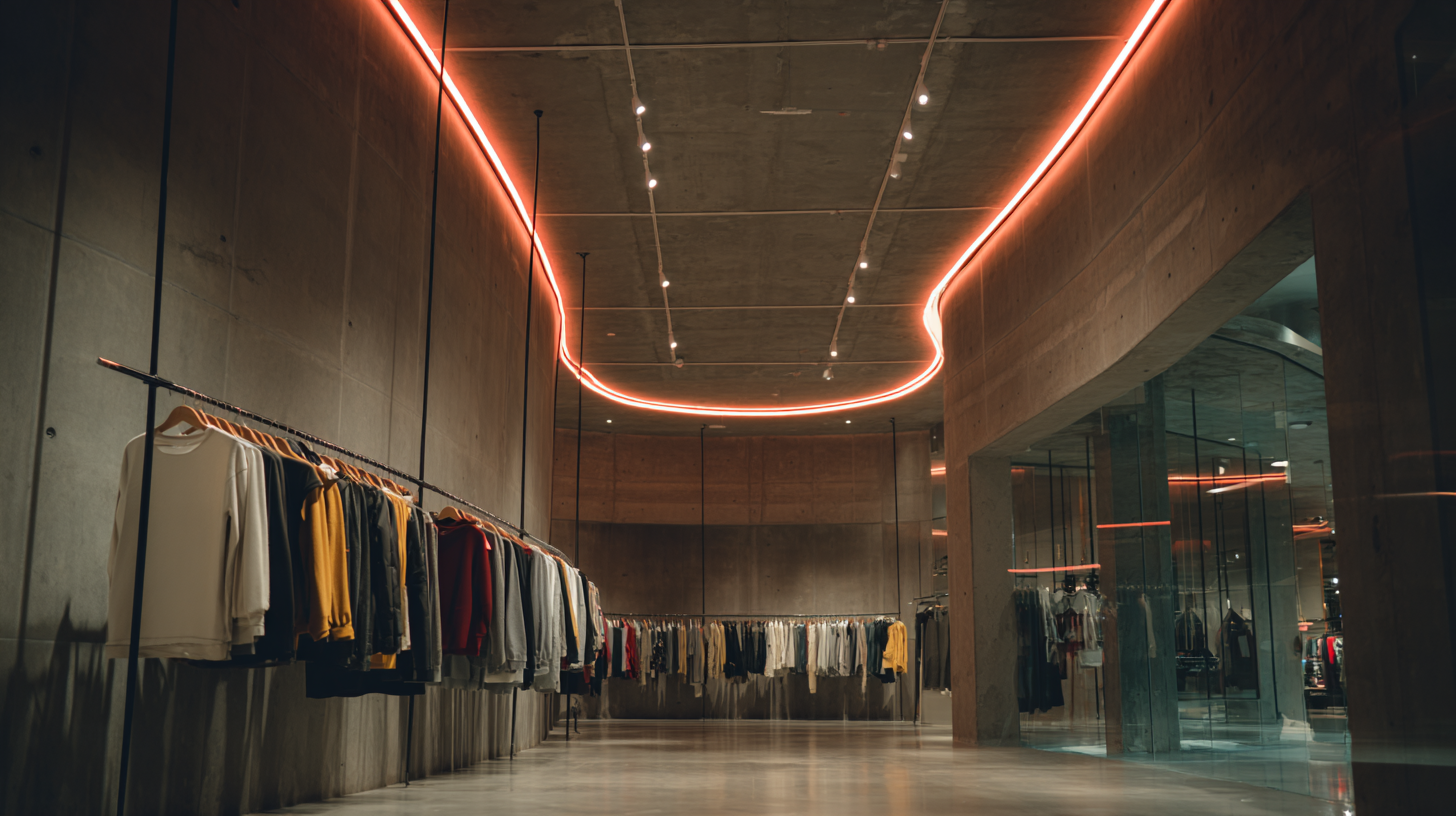
Choosing the right lighting types for different retail environments is crucial in creating an inviting atmosphere that enhances customer experience. Different types of retail spaces require distinct lighting solutions to effectively showcase products and influence consumer behavior. For example, fashion boutiques benefit from soft, warm lighting that complements the colors and textures of garments, creating an appealing ambiance that can encourage shoppers to spend more time browsing. In contrast, technology stores often utilize cool, bright lighting to highlight the sleek designs of gadgets and to project a modern, innovative image.
Grocery stores and supermarkets can leverage ambient lighting to create an inviting and comfortable shopping experience. Dimmable lights can be used in areas like produce sections to enhance the vibrant colors of fresh fruits and vegetables, while brighter lights are ideal for checkout areas to ensure visibility and encourage quick transactions. Additionally, strategic use of accent lighting can draw attention to promotions and special displays, guiding customers' focus to important products. By understanding the unique requirements of each retail environment, store owners can select appropriate lighting types that not only enhance aesthetics but also improve overall customer satisfaction.
Creating Ambiance: How Color Temperature Affects Customer Mood
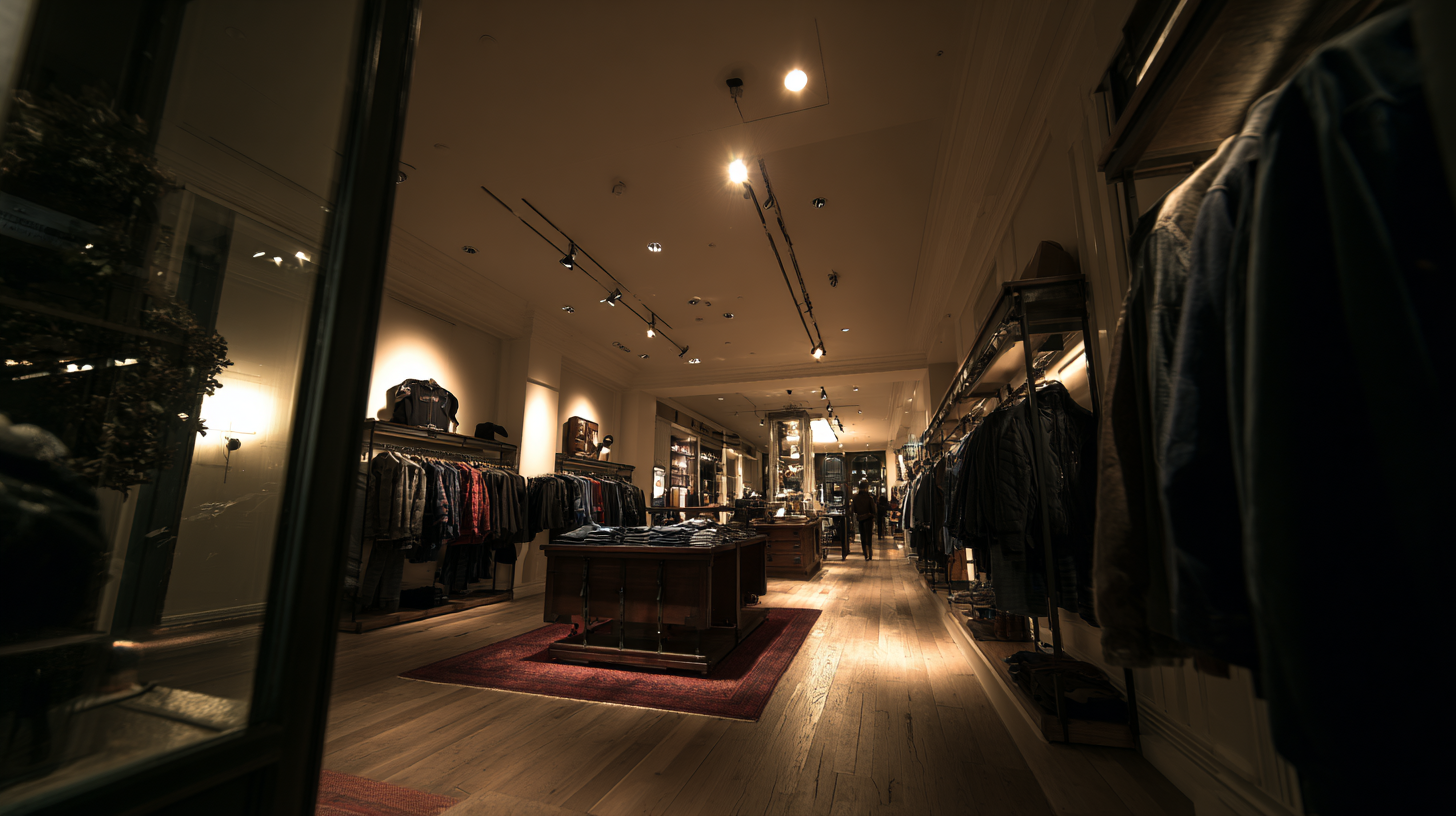
The color temperature of store lighting plays a crucial role in shaping customer mood and influencing their shopping behavior. Studies indicate that warmer color temperatures (around 2700K to 3000K) create a cozy and inviting atmosphere, making customers feel more relaxed and comfortable. This environment can lead to extended dwell times, as shoppers tend to linger longer in spaces that feel welcoming. According to a report by the Light Right Consortium, retailers that optimized their lighting to create a warm ambiance experienced a 20% increase in customer retention rates.
Conversely, cooler color temperatures (above 4000K) can invoke a more energetic and stimulating atmosphere, aligning well with fast-paced retail environments such as electronics or sporting goods stores. Research from the International Association of Lighting Designers shows that such lighting can enhance product visibility and attention, leading to impulse purchases. The interplay between color temperature and customer emotions highlights the importance of strategically selecting lighting to suit the brand identity and target audience, ultimately enhancing the overall shopping experience.
Implementing Effective Lighting Layouts to Enhance Space and Flow
Implementing effective lighting layouts in retail spaces is essential for creating an inviting atmosphere that enhances customer experience. A well-thought-out lighting design can significantly influence how shoppers perceive the space, affecting their mood and shopping behavior. For instance, using ambient lighting to create a warm and welcoming environment can encourage customers to spend more time in the store, while accent lighting can highlight key products and promotional areas, drawing customers' attention to items that need to be showcased.
Moreover, integrating a layered lighting approach is crucial for optimizing both space and flow within the store. Combining ambient, task, and accent lighting allows for flexibility, catering to different areas of the store with varying lighting needs. For example, brighter lights in product display areas can help customers make informed decisions, while softer lighting in lounge or fitting areas can create a more relaxed atmosphere. Furthermore, employing lighting that follows the natural flow of the store layout can guide customers seamlessly from one section to another, enhancing their overall shopping experience and encouraging exploration of the entire space.
Customer Experience Enhancement Through Store Lighting
Utilizing Technology: Smart Lighting Solutions for Modern Retail Spaces
In the rapidly evolving landscape of retail, smart lighting solutions have emerged as a pivotal component in enhancing customer experience. A recent report from the International Council of Shopping Centers reveals that 70% of shoppers are influenced by store atmosphere, with lighting being a significant element. Integrating technology such as LED systems with IoT capabilities allows retailers to create dynamic environments that respond to customer behavior and preferences.
Tips:
- **Employ Adaptive Lighting**: Utilize sensors that adjust lighting based on the time of day or store occupancy to create a welcoming environment while optimizing energy consumption.
- **Incorporate Color Temperature Control**: Experiment with different color temperatures to evoke specific moods — warmer tones for a cozy feel and cooler tones for a modern, energizing ambiance, effectively influencing purchasing decisions.
As retail spaces become more technologically advanced, features like automated lighting based on consumer traffic can lead to a 20% increase in customer dwell time, as stated in a report by Retail Dive. Implementing such smart solutions not only boosts sales but also aligns with sustainable practices, appealing to the eco-conscious consumer.