Types of Electric Meter Boxes for Your Procurement Needs?
When considering the infrastructure of electrical systems, understanding the Types Of Electric Meter Boxes is essential for effective procurement. Electric meter boxes not only house essential metering equipment but also play a crucial role in safety and accessibility. Different types cater to various needs and environments, ensuring that they can accommodate specific requirements such as weather resistance or security.
Choosing the right type of electric meter box can be a daunting task. Factors like installation conditions and local regulations greatly influence the decision. Some boxes are designed for residential use, while others suit commercial applications better. Each type can vary in size, material, and features. It is vital to assess these differences carefully.
Moreover, there is a need to recognize that what works for one facility may not suit another. Potential challenges arise if the wrong type is selected. This could lead to maintenance issues and even safety hazards in the long run. Therefore, researching the various types of electric meter boxes is critical for making informed decisions.
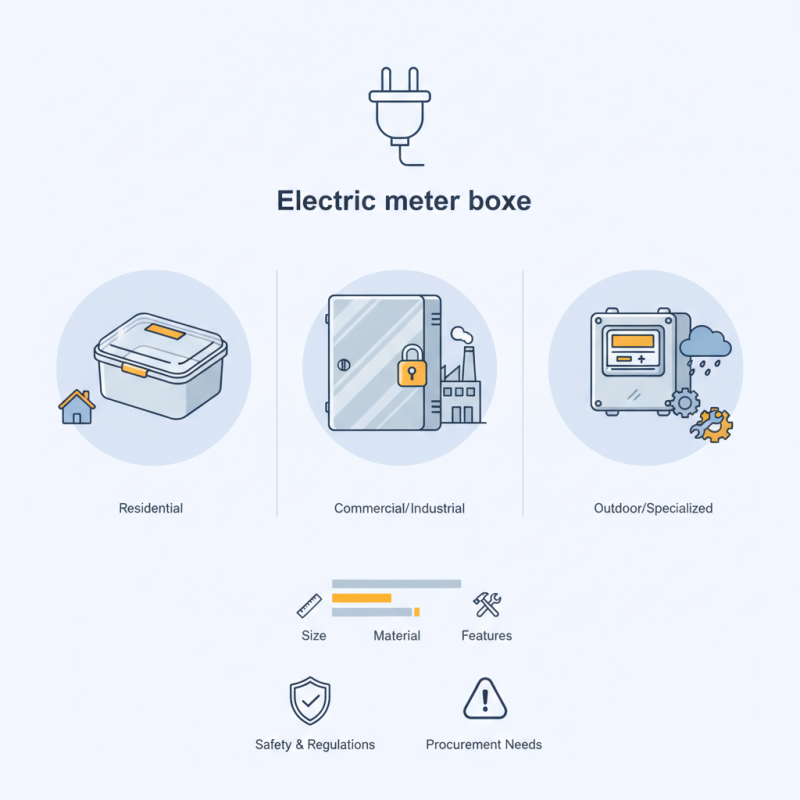
Understanding Electric Meter Boxes: An Overview
Electric meter boxes play a critical role in electrical systems. These boxes house the meters that measure electricity consumption. They must be durable and secure. According to the U.S. Department of Energy, proper housing for electric meters can improve energy efficiency by reducing external damage.
There are various types of electric meter boxes available. Some are designed for indoor use, while others are for outdoor installations. Outdoor boxes often need to withstand harsh weather. Frequent exposure to moisture can cause issues. The National Electric Code (NEC) suggests specific guidelines to ensure safety and longevity.
Choosing the right electric meter box requires understanding local regulations. Installation mistakes are common and can lead to increased costs. According to industry reports, improper meter box installation can create safety hazards. Always consult with professionals to ensure compliance and safety. Here lies an opportunity to reflect on existing practices. Are they up to current standards?
Types of Electric Meter Boxes
Different Types of Electric Meter Boxes Available in the Market
When selecting electric meter boxes, it's essential to understand the various types available in the market. There are mainly two categories: indoor and outdoor meter boxes. Indoor meter boxes typically are compact, designed for residential use. They are often mounted in basements or utility rooms. In contrast, outdoor meter boxes are larger and designed to withstand harsh weather conditions. According to recent industry data, the demand for outdoor boxes has increased by 15% due to growing energy needs.
A significant aspect of electric meter boxes is material. Steel boxes provide robust protection but may require additional rustproofing. Conversely, plastic boxes are lightweight and resistant to corrosion, making them popular in residential areas. Approximately 60% of installations prefer plastic for their ease of handling. However, the longevity of material should be weighed against immediate costs. Not all installations benefit from cheaper options; durability matters.
Smart meter boxes are gaining traction in modern electrical systems. These intelligent units provide real-time data and energy usage notifications. Reports indicate that these advanced boxes can reduce energy consumption by up to 10% in households. Still, challenges exist in installation and compatibility. Many homes still rely on traditional meters. As energy management becomes more critical, finding the right meter box remains a pivotal consideration. The journey is evolving, and improvements are needed across the board.
Key Features and Specifications of Electric Meter Boxes
Electric meter boxes play a crucial role in energy management. They house the electric meters, protecting them from environmental conditions. Different types of meter boxes are designed for varying applications. Material choice often affects durability and performance. Common materials include fiberglass, metal, and plastic. Each material offers distinct advantages, such as corrosion resistance or thermal insulation.
Key specifications to consider include size, rating, and ingress protection. According to industry reports, a good meter box should have an IP rating of at least IP54 for adequate dust and water resistance. This ensures reliable operation in diverse climates. The National Electrical Manufacturers Association (NEMA) emphasizes the importance of secure installation. Proper sealing prevents unauthorized access and enhances safety.
The box's mounting options also impact usability. Some designs allow for wall mounting, while others are free-standing, providing flexibility for installation. A significant concern is the box's thermal performance. Overheating can damage meters, leading to inaccurate readings. Regular assessment and upgrades may be necessary to maintain optimal functionality. Many operators overlook this, potentially causing operational inefficiencies.
Factors to Consider When Choosing Electric Meter Boxes
When selecting electric meter boxes, several factors demand attention. Durability is crucial. Choosing materials that withstand weather conditions is essential for longevity. Consider corrosion resistance for outdoor installations. Opting for high-quality materials will save costs in the long run.
Size matters too. The box should accommodate the meter and necessary components comfortably. Measuring requirements accurately prevents future hassles. Safety features rank high in importance. A sturdy lock mechanism can deter unauthorized access. Look for seals that protect against moisture and dust.
Lastly, local regulations play a significant role. Regulations may vary by location, impacting installation practices. Researching these standards ensures compliance. Balancing quality, safety, and regulatory adherence may seem challenging, yet it is vital. Prioritizing these aspects will enhance project outcomes. Seeking expert insights can further clarify choices.
Types of Electric Meter Boxes for Your Procurement Needs?
| Type | Material | Size (inches) | Typical Use | Price Range ($) |
| Single Phase | Plastic | 12 x 12 | Residential | 50 - 100 |
| Three Phase | Metal | 18 x 18 | Commercial | 150 - 300 |
| Smart Meter Box | Composite | 14 x 14 | Upgrade Residential | 100 - 200 |
| Heavy Duty | Steel | 24 x 24 | Industrial | 300 - 500 |
Procurement Tips for Sourcing Electric Meter Boxes Effectively
When sourcing electric meter boxes, understanding specific needs is crucial. The market for electric meter boxes is projected to grow significantly, with reports indicating a compound annual growth rate (CAGR) of around 6% by 2025. Given these dynamics, companies should approach procurement with a set of practical tips.
Consider the specific requirements of your project. Different projects demand varying types of meter boxes, such as residential versus commercial. Researching specifications will help you choose the right material. Typically, options include plastic, fiberglass, and metal. Each has unique characteristics—plastic is lightweight and rust-resistant, while metal offers durability and strength.
Develop a reliable supplier relationship. Building trust with suppliers ensures timely deliveries and quality assurance. You may face challenges like fluctuating prices or inconsistent supply. Be prepared by assessing multiple suppliers. Having alternatives can mitigate risks. Regularly reviewing supplier performance can also reveal areas for improvement. Engaging in these practices allows for a more sustainable procurement strategy, tailored to your specific needs.