How to Choose the Right Tractor for Agriculture Needs?
Choosing the right tractor for agriculture needs involves careful consideration. The tractor is crucial for various farming tasks. It impacts efficiency, productivity, and overall crop success. Different terrains and crop types require specific tractor features. An experienced farmer understands the unique demands of their land. Reliable models stand out in performance and durability.
Tractor Agriculture can vary greatly between regions. Local soil conditions and climate can influence tractor selection. Some farmers may need compact tractors for small fields, while others require larger models. Think about the horsepower. Bigger doesn’t always mean better. The size should match your field’s needs and your budget.
Don’t forget about technology integration. Many new tractors come with advanced features. Options like GPS and automated controls can enhance productivity. However, these systems may require learning and adjustment. Reflect on your ability to manage these changes. A wise decision balances immediate needs and future growth.
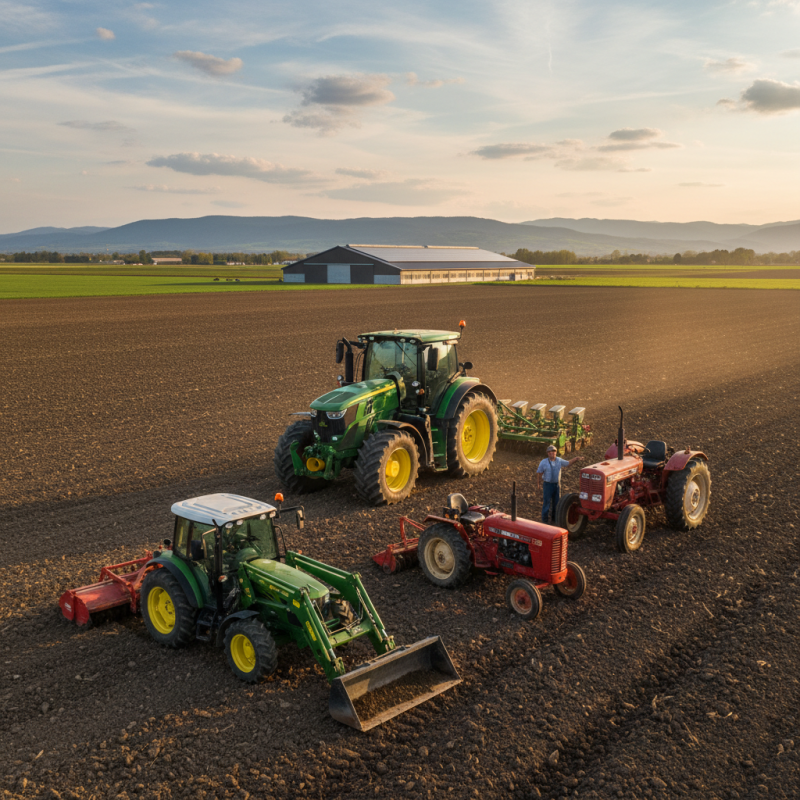
Understanding Your Agricultural Needs and Requirements
Understanding your agricultural needs is critical when selecting a tractor. Every farm is unique, with different crops and land conditions. Assessing the size of your property is a starting point. A larger farm might require a high-horsepower tractor, while a smaller plot can often be managed efficiently with a compact model. Take the terrain into account too. Hilly or uneven land may need specialized attachments or a tractor with better traction.
Another factor to consider is the type of work you’ll be doing. Do you need a tractor for plowing, planting, or hauling? Different tasks may require different features. For instance, if you plan to use it primarily for tilling, a tractor with a powerful engine and robust attachments will be necessary. Reflect on your current and future farming goals to ensure your choice remains relevant.
Budget constraints are also vital. Setting a clear budget helps narrow down options. Remember, savings on the initial purchase could lead to higher maintenance costs later. It's easy to overlook these long-term expenses in favor of short-term savings. Lastly, consult agricultural experts whenever possible. Their insights can guide you toward making an informed decision tailored to your specific needs.
Types of Tractors Available for Different Farming Tasks
When selecting a tractor, understanding the types available for various farm tasks is crucial. Tractors come in many forms, each designed for specific functions. For instance, utility tractors are versatile. They can handle basic tasks like plowing, harrowing, and transporting materials. Their adaptability makes them a popular choice for small to medium-sized farms.
On the other hand, row crop tractors excel in planting and cultivating. They are built for maneuverability in tight spaces between rows of crops. The large tires and higher clearance make them suitable for uneven terrain. However, their specialized nature can limit their use in other farming activities.
For heavy-duty tasks, such as hauling large equipment, consider a 4WD tractor. These are powerful and provide excellent traction, particularly in muddy conditions. Yet, they may come with higher maintenance costs. Reflect on your farming practices and specific needs. Choosing the right tractor can significantly impact efficiency but often requires a balance between capability and budget.
Key Specifications to Consider When Selecting a Tractor
Choosing the right tractor is crucial for efficient agricultural operations. When selecting a tractor, Key specifications indicate horsepower, weight, and dimensions. A 2022 USDA report highlights that tractors with 50 to 100 horsepower dominate 60% of the market. This range provides versatility for various farming tasks.
Weight plays a significant role in a tractor's performance. Heavier tractors typically provide better traction in challenging terrains. According to the Agricultural Engineering Journal, tractors with heavier base weights are 20% more efficient in adverse conditions. However, choosing too heavy a tractor can compact soil, impacting crop yield.
Another key aspect is the tractor's size. Larger models can handle bigger implements but may be inefficient in small fields. Compact tractors can navigate tight spaces more effectively, but they might lack power for larger jobs. Balancing these specifications based on your specific farming needs is essential. Evaluating field size and crop type will help align your tractor's capabilities with your operational goals.
Evaluating Tractor Brands and Models for Reliability
Choosing the right tractor for your agricultural needs can be daunting. Evaluating brands and models is crucial for finding reliable options. Reliability often hinges on user reviews and durability assessments. It’s important to look beyond marketing claims. Practical experience plays a significant role in shaping perceptions of performance.
Tips: Check online forums and agricultural communities. Real users share valuable insights about their experiences. Pay attention to frequent complaints or praises. This can guide you toward trustworthy choices.
Consider maintenance history as well. Some tractors require more upkeep than others. Frequent repairs can eat into your budget. Choosing a model with a reputation for low maintenance could save you money in the long run. Not every popular model will suit your specific needs.
Tips: List your key requirements before you start evaluating options. Define what features matter most, such as horsepower, fuel efficiency, and attachments. Avoid getting swayed by the latest trends without assessing their relevance to your situation. This reflective approach will help you choose wisely.
Budgeting for Your Tractor Purchase and Long-term Costs
When considering a tractor purchase, budgeting is vital. Buyers often underestimate not just the initial cost, but also ongoing expenses. Maintenance, fuel, and insurance add up quickly. Even a well-priced tractor can become a financial burden if these costs are overlooked.
Think about your usage patterns. Will the tractor be under heavy load regularly? A model suited for light work may lead to repair costs over time if it’s pushed too hard. Analyze long-term needs and potential growth of your agricultural activities. Investing too little now could mean higher costs later.
Plan for unexpected repairs. Set aside a maintenance fund. Equipment often requires repairs at the worst moments. Don’t let financial surprises derail your farming efforts. Weigh your options carefully and evaluate the true costs involved. This careful planning will lead to more informed decisions.