How to Choose Lighting Fixtures for Global Sourcing in 2026?
Choosing Lighting Fixtures for global sourcing in 2026 requires more than comparing catalog prices. Buyers must connect design goals with electrical safety, performance, documentation, and dependable delivery. A fixture may look impressive online, yet fail during testing, installation, or long-term use. That gap can become expensive.
This guide examines practical decisions from a sourcing professional’s viewpoint. It considers lumen output, color temperature, beam angle, materials, controls, energy use, packaging, and repair access. It also explains how to review supplier experience, factory quality systems, product samples, and independent test reports. Regional requirements matter. A product approved for one market may need different testing or labeling elsewhere. Always confirm current standards with qualified local experts and recognized laboratories.
Details reveal more than promises. Ask for a complete specification sheet, production photographs, sample records, warranty terms, and a clear inspection process. Check whether the supplier can reproduce the same finish across large orders. Inspect cable glands, screw fittings, diffuser thickness, and carton protection. Small weaknesses often become field complaints.
Perfection is unlikely. Real projects include delayed approvals, changing freight costs, and incomplete supplier information. That is why responsible sourcing includes contingency planning and honest review. A lower price is not automatically better value. Nor is a famous brand automatically suitable. The right choice balances verified performance, compliance, aesthetics, total cost, and supplier reliability. This approach helps buyers make confident decisions while leaving room to question assumptions before placing a global order.
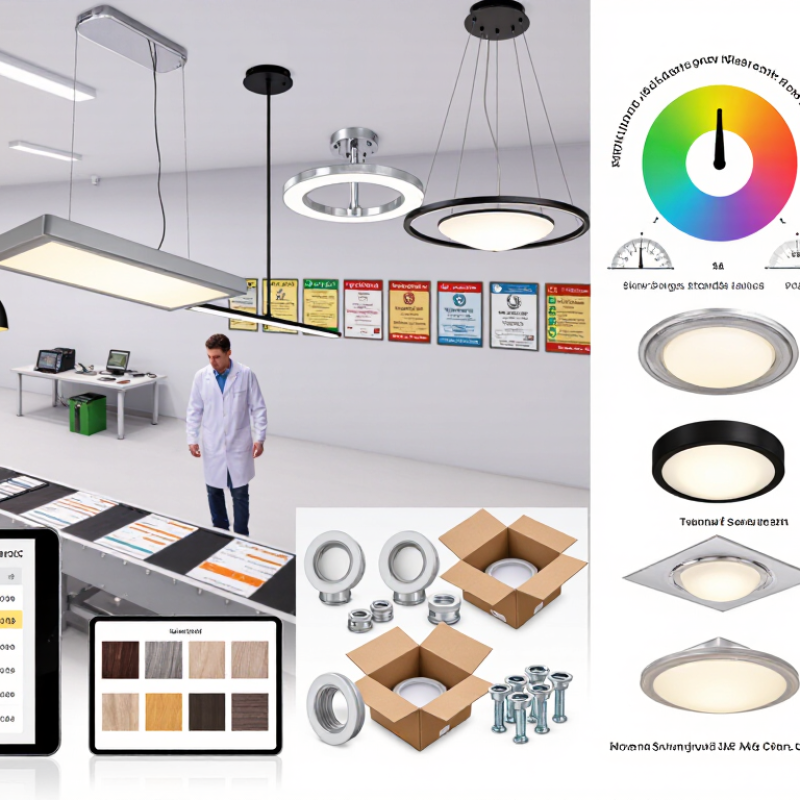
Define Project Requirements and Global Lighting Market Goals
How to Choose Lighting Fixtures for Global Sourcing in 2026?
Define the project before comparing suppliers. Record room dimensions, ceiling heights, mounting points, and required illumination levels. A warehouse may need wide, durable beams, while a hotel lobby needs controlled glare and comfortable color rendering. Note the local voltage, operating hours, dimming method, and environmental exposure. Small details matter. I have seen attractive fixtures fail because their drivers were incompatible with site controls.
Set measurable global market goals before requesting quotations. Identify target countries, expected annual volume, budget limits, delivery windows, and acceptable replacement rates. Include local electrical, safety, efficiency, and recycling requirements in the specification. Do not assume one design suits every market. A fixture for a humid coastal project may need stronger ingress protection than one used in a dry office.
Ask suppliers for photometric files, test reports, material details, warranty terms, and production samples. Compare the complete cost, including tooling, freight, duties, installation, and spare parts. Samples reveal practical problems that drawings hide. Check cable length, screw access, surface finish, and packaging damage. My own estimates have occasionally been too optimistic. That is useful feedback. Leave room for inspection, corrective production, and changing exchange rates. A clear requirement sheet makes those risks visible before purchase orders are issued.
Evaluate Fixture Types, Performance Standards, and Application Needs
How to Choose Lighting Fixtures for Global Sourcing in 2026?
Choosing a fixture starts with the application, not its appearance. A retail aisle needs controlled beam angles and accurate color rendering. A hotel corridor may need softer light, low glare, and dependable dimming. Outdoor areas require suitable IP and impact ratings. Check mounting space, ambient temperature, ceiling height, and cleaning conditions before comparing prices.
Performance data must be specific. Review delivered lumens, efficacy, color temperature, CRI, flicker, power factor, and rated life. Request photometric files, test reports, and samples from the same production specification. Relevant IEC, EN, or national requirements should match the destination market. Confirm voltage, frequency, emergency options, and control compatibility. A certificate alone is not enough. Traceable testing matters.
Tips:
Test samples in a real room. A bright showroom can hide glare and uneven light. Compare fixtures at the intended mounting height, then measure illuminance at working surfaces. Check dimming from low to full output. Ask about replacement parts and driver availability. I have seen attractive fixtures fail because their drivers overheated in enclosed ceilings. This detail is easy to miss. Also, projected energy savings may look impressive, but actual results depend on controls, maintenance, and operating hours. Document every assumption before placing a global order.
Verify Certifications, Safety Compliance, and Energy Efficiency
How to Choose Lighting Fixtures for Global Sourcing in 2026?
Lighting compliance begins with documents, not product photographs. Request the exact model number, factory address, test date, and certification scope. Verify certificates through the issuing authority’s public database. Use official records, not glossy PDFs. Fixtures should match relevant IEC 60598 safety requirements, including insulation, grounding, thermal protection, and ingress ratings. Ask for laboratory reports covering the final production configuration. A similar-looking sample may use different drivers or materials.
Energy performance deserves equal attention. The International Energy Agency reports that lighting consumes about 15% of global electricity. Compare efficacy in lumens per watt, standby power, power factor, flicker, and expected lifetime. Require test results based on recognized photometric procedures, such as LM-79, plus maintenance data supported by LM-80 and TM-21 methods. These figures help, but they are not perfect. Real warehouses may run hotter than laboratories.
Check regional rules for restricted substances, electromagnetic compatibility, recycling, and market surveillance. Keep a compliance file with certificates, declarations, test reports, drawings, and inspection photographs. A practical factory audit should examine wiring, solder joints, driver insulation, labels, and carton markings. Do not accept “equivalent” components without written approval. One sourcing mistake is trusting a certificate without checking its scope. Another is ignoring firmware or control changes after approval. Requirements vary by destination, so confirm them with a qualified local compliance specialist before shipment.
Compare Suppliers, Costs, Materials, and International Logistics
Choosing lighting fixtures for global sourcing in 2026 requires more than comparing catalog prices. I review supplier records, factory samples, production capacity, and quality-control documents before requesting quotations. A low unit price can hide tooling, packaging, testing, or replacement costs. Ask each supplier for a transparent cost breakdown. Compare identical specifications, including wattage, color temperature, ingress protection, dimming method, and carton size. Samples reveal details spreadsheets miss. One fixture looked excellent online, but its connector loosened after repeated installation. That mistake changed our approval process.
Tips: Build a comparison sheet with supplier location, lead time, minimum order quantity, payment terms, warranty coverage, and inspection stages. Request material declarations for aluminum, glass, plastics, cables, and coatings. Aluminum thickness affects heat control, while glass affects breakage risk and freight protection. Do not assume “metal body” means durable construction. Ask for photos of internal drivers and wiring. A second sample is wise. One sample can be unusually perfect.
International logistics needs its own cost model. Compare ocean, rail, air, and multimodal options using landed cost, not freight alone. Include export packing, insurance, customs documents, duties, port handling, and local delivery. Confirm voltage, plug configuration, labeling, and conformity documents for the destination market. Use moisture-resistant cartons and corner protection for sea freight. Agree on an inspection point before shipment. Delivery estimates still move. Weather, port congestion, and production delays can disrupt careful plans, so leave practical buffer time and record every assumption.
How to Choose Lighting Fixtures for Global Sourcing in 2026?
Comparison of typical sourcing benchmarks for a 24W commercial LED linear fixture, based on a 500-unit order. Costs are shown in USD per unit; lead time includes production and standard ocean or regional transport.
East Asian suppliers generally offer the lowest FOB cost, while Eastern European and North American supply can reduce transit time. A typical fixture uses an aluminum heat sink or housing, a PMMA or polycarbonate diffuser, steel mounting components, and electronic drivers. Final landed cost should also include duty, compliance testing, packaging, insurance, and destination handling.
Finalize Sampling, Quality Control, Contracts, and Long-Term Support
Global sourcing in 2026 requires more than selecting an attractive fixture. Sampling must confirm performance, finish, packaging, and installation details.
A common sourcing mistake is approving one perfect sample too quickly. Request samples from different production batches when possible. Check color temperature, color rendering, flicker, dimming behavior, heat management, and connector fit.
The U.S. Department of Energy reports that LED lighting can use at least 75% less energy and last up to 25 times longer than incandescent lighting.
Quality control should follow written acceptance criteria, not personal judgment. Use pre-production approval, in-line inspections, and final random inspections. Measure lumen output, power consumption, surge protection, surface defects, and carton strength. IEC 60598 and IEC 61347 provide useful technical references for luminaires and controlgear. Independent laboratory testing adds credibility, especially when importing across different markets. Still, laboratory results cannot replace factory discipline.
Tips: Put every tolerance into the contract. Define CCT ranges, CRI levels, lumen maintenance, warranty periods, spare-part availability, inspection rights, and change-control procedures. Clarify tooling ownership and packaging responsibilities.
Long-term support should include replacement drivers, installation guidance, and response times.
The IEA links efficient lighting with major electricity savings, yet poor thermal design can reduce real-world performance. That uncomfortable gap deserves attention.
Review supplier records annually, and re-test products after material or component changes. No checklist catches everything.