


China Top 10 Tile Lighting Manufacturers for Buyers
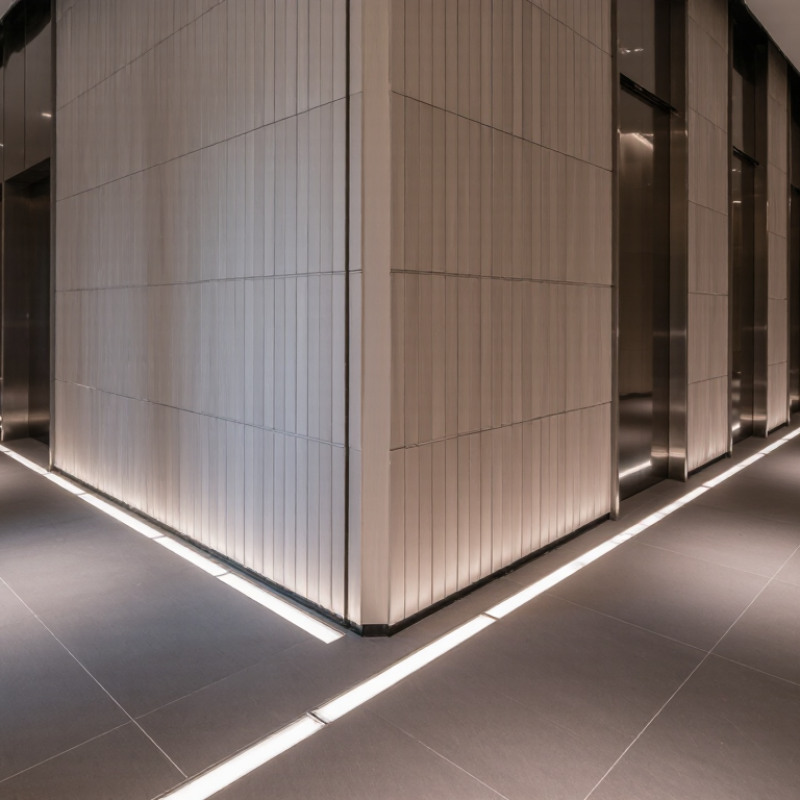
Tile Lighting is no longer just a decorative detail. In bathrooms, kitchens, hotel corridors, and retail displays, narrow illuminated lines can guide movement and define a surface. For buyers, however, appearance is only part of the decision. A bright sample may look impressive on a showroom wall, then reveal uneven color or difficult installation on site.
The International Energy Agency’s Buildings report notes that buildings account for about 30% of global final energy consumption. That figure does not describe tile lighting alone, but it underlines why efficient, well-specified fixtures matter. The U.S. Department of Energy reports that LED lighting uses at least 75% less energy than incandescent lighting and can last up to 25 times longer; actual results depend on the product and use. Small details matter. Check the LED source, driver, heat management, ingress protection, color consistency, and replacement options—not just the advertised wattage.
This guide introduces ten China-based tile lighting manufacturers for buyers comparing product range, customization, production capability, and export support. It is a starting point, not a substitute for supplier checks. Request current test documents, sample pieces, installation instructions, and warranty terms. Confirm that ratings and certifications match your project and destination market. A polished catalogue can still leave practical questions unanswered. That is worth remembering. Reliable comparisons come from specifications you can verify, clear communication, and samples tested under real installation conditions.
Tile Lighting Basics: LED Types, Applications, and IEC 60529 IP Ratings
Tile lighting works best when the LED format matches the detail. SMD strips create an even line beneath shelves or along steps. COB strips produce a smoother, dot-free glow in shallow channels. Small recessed modules can highlight shower niches, but their heat and wiring need room behind the tile. Small fittings, tight spaces.
The IEA’s Energy Efficiency 2023 report says LEDs represented about half of global lighting sales in 2022. That shift reflects their efficiency and wide availability. For a tiled bathroom, check light output, colour temperature, and colour rendering before choosing a fixture. Warm light can soften stone tones; cooler light may reveal grout and surface variation more clearly. I would still test a sample at night. Daylight can mislead.
IEC 60529 classifies enclosure protection using IP codes. The first digit covers solid-object ingress; the second covers water. IP65 resists water jets, while IP67 includes a defined temporary-immersion test. Neither rating guarantees suitability for every installation or proves tile adhesion. Match the rating to the exposure, follow the fixture instructions, and have electrical connections assessed by a qualified installer. A niche near a showerhead faces a different risk from a dry stair riser. The rating alone is not the whole specification.
| No. | Tile-Lighting Configuration | Common LED Type | Typical Application | Relevant IP Rating Guidance | Buyer Check |
|---|---|---|---|---|---|
| 1 | Recessed ceiling downlight | SMD LED or COB LED | General illumination in dry indoor areas, such as living rooms and hallways | IP20 is commonly used in dry locations; it provides protection against solid objects 12.5 mm or larger, but no water protection. | Check cut-out dimensions, ceiling clearance, beam angle, and whether the fitting is suitable for the ceiling material. |
| 2 | Bathroom ceiling light outside the shower zone | SMD LED | Ambient lighting in bathrooms where the fitting is not directly exposed to water | IP44 protects against solid objects 1 mm or larger and water splashes from any direction. Confirm local bathroom-zone requirements. | Verify the required rating against local electrical rules and the fitting’s installation instructions. |
| 3 | Shower-area recessed light | COB LED or sealed SMD LED module | Lighting within a shower area or another location exposed to water jets | IP65 is dust-tight and protected against water jets. The appropriate rating depends on the installation zone and applicable regulations. | Check the complete assembled fitting’s rating, including its trim, seals, and any required driver location. |
| 4 | Tile-joint or grout-line light | Flexible SMD LED strip or compact linear LED module | Decorative accent lighting along selected grout lines or tile edges | Choose a rating suited to exposure: IP65 is dust-tight and water-jet protected; IP67 indicates protection against temporary immersion under specified test conditions. | Check strip width, bend radius, connector sealing, cut-point instructions, and access for replacement. |
| 5 | Under-cabinet tile backsplash light | SMD LED strip or linear LED module | Task lighting on kitchen counters and illuminated tile backsplashes | IP20 may suit a dry, protected position; a splash-exposed area may call for IP44 or higher, subject to installation conditions. | Consider splash exposure, heat management, dimming compatibility, and the placement of the power supply. |
| 6 | Recessed floor or step light beside tile | COB LED or sealed SMD LED | Wayfinding and low-level accent lighting in tiled floors or steps | IP65 resists water jets; IP67 is intended for temporary immersion under specified test conditions. Select according to cleaning and water exposure. | Confirm load rating, drainage, anti-slip surface requirements, and whether the product is approved for floor installation. |
| 7 | Outdoor tiled wall light | SMD LED or COB LED | Accent or wall-wash lighting on exterior tiled surfaces | IP65 provides dust-tight protection and protection against water jets; higher protection may be needed where immersion or severe exposure is possible. | Check UV resistance, temperature range, corrosion resistance, mounting details, and the outdoor rating of the full assembly. |
| 8 | Poolside or water-feature tile light | Sealed low-voltage LED module | Lighting near pools, fountains, or other water features | IP67 covers temporary immersion under specified test conditions; IP68 covers immersion under conditions specified by the manufacturer. These ratings do not replace electrical safety rules. | Use equipment specifically approved for the intended location and follow local rules for voltage, bonding, and installation. |
| 9 | Backlit translucent tile panel | SMD LED array or linear LED module | Uniform illumination behind translucent stone, glass, or onyx-style panels | The required IP rating depends on whether the panel is installed in a dry interior, damp room, or water-exposed area. | Check light spacing, diffusion, color consistency, ventilation, and access to the LED modules and driver. |
| 10 | Tile-edge profile with integrated light | Linear SMD LED strip or compact LED module | Accent lighting at tiled niches, shelves, borders, or transitions | IP44 can address splashes; IP65 provides protection against water jets. Match the rating to the actual exposure and installation details. | Confirm profile depth, diffuser compatibility, end-cap sealing, and whether the profile is designed for wet-area use. |
| IP-rating note: IEC 60529 classifies enclosure protection against solid objects and water. An IP rating applies to the tested enclosure under specified conditions; it does not by itself establish suitability for every bathroom, outdoor, or underwater installation. Always check local electrical regulations and the product’s installation instructions. | |||||
Related Posts
-

Maximize Retail Sales with Innovative Store Lighting Solutions Boosting Customer Experience
-

Maximizing Your Home's Natural Light: The Science of Window Lighting for Healthier Living Spaces
-
2026 Best Gallery Lighting Solutions to Enhance Your Space?
-

How to Select the Perfect Hospitality Chandeliers for Your Venue
-

Top 10 Retail Lighting Ideas to Enhance Store Ambiance and Sales
-

Chinese Manufacturing Thrives Amidst Tariff Challenges: Spotlight on Best Lighting Products