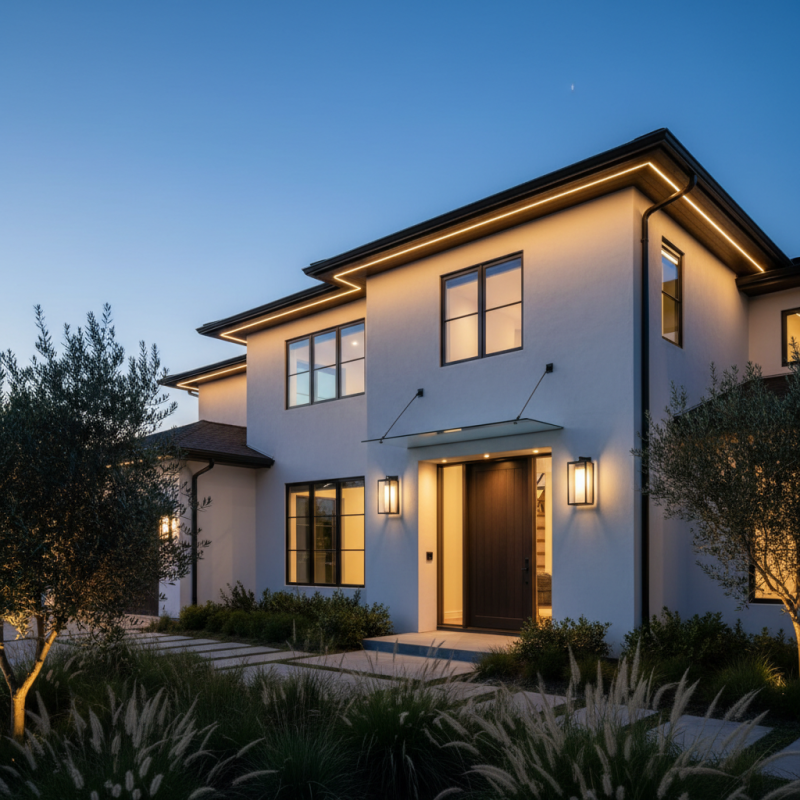
10 Best Eave Lighting Options for Your Home Renovation?
Eave Lighting plays a crucial role in enhancing the aesthetic and safety aspects of your home. According to lighting expert Jane Collins, “Proper eave lighting transforms a house into a welcoming space.” This highlights the importance of well-planned illumination in home design.
Choosing the right eave lighting options can be challenging. Homeowners often overlook the balance between function and style. For instance, harsh lighting can create unwelcoming shadows. However, soft, warm lights can enhance your home’s architecture beautifully.
Consider the various styles available on the market. From traditional sconces to modern LED strips, each option has unique benefits. Investing time in selecting the right eave lighting can significantly elevate your home’s exterior. It's essential to reflect on how these choices resonate with your personal style and needs.
Eave Lighting Types: An Overview of Popular Options for Homes
Eave lighting can transform your home’s exterior. It enhances curb appeal while providing safety. Many homeowners overlook this crucial aspect of design. Choosing the right type can be challenging. There are several options to consider.
One popular choice is recessed lighting. This type fits snugly into the eaves, creating a sleek look. Another option is string lights. They offer a whimsical touch, perfect for gatherings. Wall-mounted sconces provide a classic vibe and come in various styles. If you seek something modern, consider LED fixtures. These are energy-efficient and long-lasting.
Sometimes, the placement can be tricky. Lights should be positioned to avoid glare. Over-lighting can make the space feel harsh. It's essential to test different layouts. Find the best angles for illumination. Thoughtful planning can lead to stunning results. But, if done poorly, the effect can fall flat. Remember, lighting is not just about brightness; it’s about creating an inviting atmosphere.
Energy Efficiency: Choosing LED Lights for Eave Illumination
When considering eave lighting, energy efficiency is crucial. LED lights have transformed the lighting industry. Notably, they use up to 75% less energy than traditional bulbs. This reduction can lead to significant savings on electricity bills. The U.S. Department of Energy suggests that converting to LED can save an average household about $225 annually.
LED lights offer tremendous versatility, making them ideal for eave illumination. They come in various styles and warmth levels. This allows homeowners to create their desired atmosphere. However, while LEDs are more efficient, they may not always provide the warm glow that some seek. It's important to consider color temperatures when making choices. Testing different options can help find the right balance.
Installation of eave lighting is another aspect to think about. Proper placement can enhance home's architectural features while ensuring adequate illumination. Some people may overlook outdoor lighting's role in safety and security. Inadequate lighting can create shadows, leading to potential hazards. Therefore, careful planning is essential. Experimenting with various styles and placements may yield surprising results.
Aesthetic Considerations: Enhancing Home Curb Appeal with Eave Lighting
Eave lighting can significantly enhance your home's curb appeal. According to a report by the American Institute of Architects, aesthetically pleasing lighting can increase a property's value by up to 15%. This improvement is not just about brightness; it’s about creating a welcoming ambiance. Soft, warm lights can inspire comfort, while bright, white lights can project a more modern look.
When choosing eave lighting, consider the style of your home. Traditional homes may benefit from classic lanterns, while modern structures might shine with sleek, minimalist fixtures. Interesting patterns created by light can draw attention to architectural details. However, improper placement or overly bright fixtures can detract from that charm. Highlighting your home’s unique features can sometimes overshadow less attractive elements, leading to a mixed visual impact.
Moreover, energy efficiency is a vital aspect to consider. The U.S. Department of Energy notes that LED lighting can save homeowners 75% on energy costs compared to traditional bulbs. Yet, many homeowners neglect this factor, opting for cheaper but less efficient options. Striking a balance between aesthetics and functionality is crucial. Remember, the goal is to enhance without overwhelming.
Installation Tips: Ensuring Safe and Effective Eave Light Placement
When installing eave lighting, placement is crucial. Proper positioning ensures both safety and aesthetic appeal. Start by assessing your home's architecture. Are the eaves wide enough to accommodate the fixtures? If they are too narrow, light may not spread effectively. Aim for even distribution of light to avoid harsh shadows.
Consider the height at which the fixtures will hang. Too low can be obstructive, while too high may reduce visibility. Use a ladder to visualize the light's impact before permanent installation. It's beneficial to test the location with temporary fixtures first. This way, you can evaluate how shadows and brightness affect your home's exterior.
Wiring is another important aspect. Ensure that all connections are weatherproof and secure. Check local codes to meet safety standards. Improper wiring can lead to hazards, so consult a professional if unsure. Verifying the electrical load is also essential, as overloading can cause issues. Lighting should enhance your home, not create problems.
Maintenance and Care: Keeping Your Eave Lights in Optimal Condition
Eave lights can dramatically enhance your home's exterior, but maintenance is crucial. Proper care ensures the longevity of these fixtures. According to industry reports, regular cleaning can increase the lifespan of outdoor lighting by up to 30%. Dust, grime, and weather elements can diminish brightness and efficiency.
Tips for keeping your eave lights in top shape include routine checks. Inspect connections for rust or wear. Monthly cleaning can help. Use a damp cloth for fixtures and check bulbs for burnouts. Replacing bulbs promptly maintains illumination and safety.
Consider seasonal changes. In colder months, snow and ice can accumulate. This can damage fixtures. Ensure snow is cleared off fixtures to prevent moisture build-up. Using weather-resistant equipment is beneficial, but remember it is not indestructible. Pay attention to any signs of wear and be proactive.
10 Best Eave Lighting Options for Your Home Renovation
| Lighting Type | Brightness (Lumens) | Energy Efficiency | Average Lifespan (Hours) | Maintenance Frequency |
| LED Flood Lights | 1200 - 1800 | Very High | 25,000 | Every 5 years |
| Solar Eave Lights | 100 - 600 | High | 15,000 | Annual |
| CFL Eave Lights | 800 - 1200 | Moderate | 10,000 | Every 3 years |
| Incandescent Bulbs | 800 - 1600 | Low | 1,000 | Every 6 months |
| Smart Eave Lights | 800 - 1200 | High | 20,000 | Every 2 years |
| Pendant Eave Lights | 500 - 1500 | Moderate to High | 15,000 | Every 3 years |
| Wall-Mounted Fixtures | 600 - 1200 | High | 20,000 | Every 5 years |
| Recessed Lighting | 600 - 1000 | Very High | 25,000 | Every 5 years |
| String Lights | 200 - 600 | Moderate | 5,000 | Annual |
| Motion Sensor Lights | 1000 - 2000 | High | 15,000 | Every 3 years |