
What Is the Best Digital Signage LED Wall in 2026?
What Is the Best Digital Signage LED Wall in 2026? The answer depends on the environment, audience, and content. A bright retail atrium needs different performance from a quiet corporate lobby. Viewing distance matters. So does the wall’s daily operating schedule.
Industry consultant and display expert Alan Brawn has often stated, “Digital signage is not about the technology; it is about the message.” That principle still deserves attention in 2026. A premium digital signage LED wall should present readable content, stable color, and smooth motion. It should also support reliable content management and straightforward maintenance. Pixel pitch must match the viewer’s distance. Excessive brightness can create glare indoors. Weak service access can turn a small fault into a costly interruption.
The strongest evaluation combines specifications with real operating evidence. Ask for a demonstration using your own videos, text, and brand colors. Inspect dark scenes closely. Check skin tones, gradients, and small lettering. Review brightness control, refresh rate, power use, warranty terms, and replacement-part availability. A wall that looks impressive for ten minutes may perform differently after months of continuous use. That is where many buying guides feel incomplete.
There is no universal winner. A fine-pitch indoor wall may suit a premium showroom, while a rugged outdoor model may serve transport or sports venues better. Budget pressure also changes the decision. The cheapest quote may hide installation, calibration, energy, and service costs. The best digital signage LED wall is therefore the one that remains visible, manageable, and dependable after the launch excitement fades.
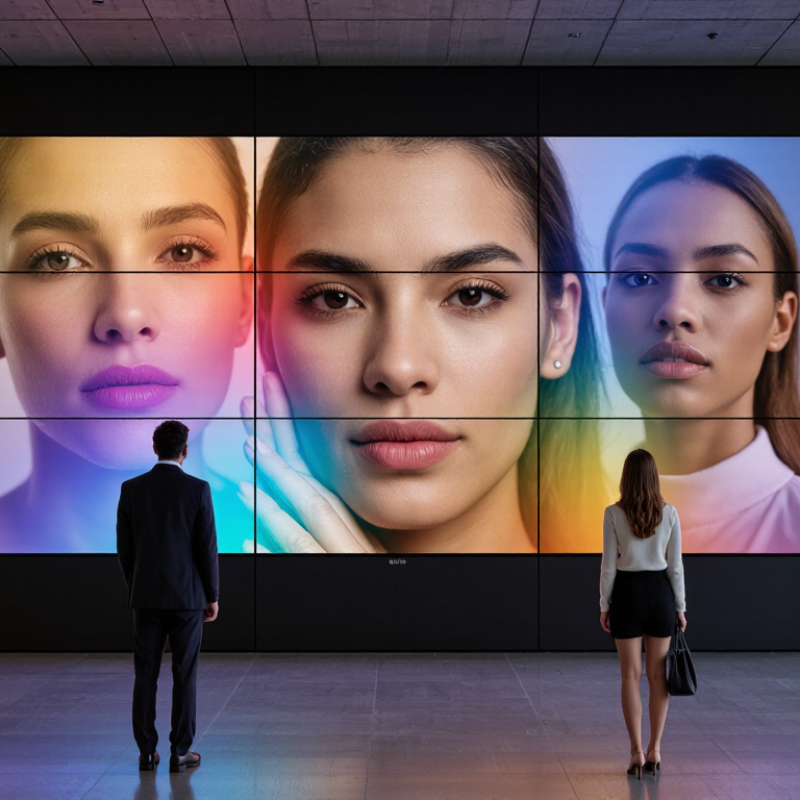
What Defines the Best Digital Signage LED Wall in 2026?
The best digital signage LED wall in 2026 is not simply the brightest screen. It is the display that fits its location, audience, content, and operating budget. In real installations, pixel pitch should match viewing distance. A fine pitch may look impressive, but it can add unnecessary cost when viewers stand far away. Stable color calibration, strong contrast, and smooth refresh rates also matter. They keep text readable and motion natural under changing indoor or outdoor light.
Tips: Measure the nearest and farthest viewing points before selecting pixel pitch. Test content with small text, skin tones, and fast movement. Check brightness at the actual installation site, not only in a showroom. Ask for power data, service procedures, spare-part availability, and calibration records. A reliable supplier should explain limitations clearly.
Durability defines quality over time. Look for efficient cooling, protected cabinets, easy front access, and monitoring that identifies failed modules quickly. Weather-resistant construction is essential outdoors, while silent operation may matter in museums, offices, and retail spaces. Accessibility should guide content design, including readable contrast and controlled motion. The best wall also integrates with existing media systems without creating daily technical friction. Still, no specification guarantees success. Poor installation, weak content, or neglected maintenance can reduce a premium display’s value. That part is often underestimated.
Which LED Wall Specifications Matter Most for Digital Signage?
What Is the Best Digital Signage LED Wall in 2026?
The best LED wall depends on the viewing distance, content, lighting, and maintenance plan. Pixel pitch matters most when viewers stand close. A 1.5–2.5 mm pitch can keep text sharp in retail spaces and control rooms. Larger pitches may suit airports, stadiums, or wide indoor halls. Always test real content. Product images can hide small text problems.
Brightness must match the environment, not simply reach the highest number. Excessive brightness can cause glare, eye fatigue, and washed colors indoors. Look for stable dimming, strong contrast, and accurate color calibration. A refresh rate above 3,840 Hz usually supports smooth camera footage and reduces visible scanning. Viewing angles also matter when people approach from the side. Fine specifications are useful, but installation conditions can change everything.
Tips: Measure the nearest viewer’s distance before choosing pixel pitch. Check power consumption, heat output, front or rear service access, and cabinet alignment. For outdoor signage, confirm weather protection, temperature tolerance, and drainage design. Ask for proof of calibration and long-term brightness consistency, not only peak performance. A good warranty should explain response times and replacement procedures clearly. Be careful with optimistic claims. A perfect datasheet cannot repair poor installation, weak content design, or neglected maintenance. In practice, the most reliable wall is often the one technicians can inspect quickly and safely.
How Do Leading LED Wall Types Compare for Different Venues?
The best digital signage LED wall in 2026 depends on the venue, viewing distance, and daily operating conditions. An indoor fine-pitch wall suits conference halls, retail interiors, and museums. Its smaller pixels keep faces and product details sharp from nearby seats. A 1.5–2.5 mm pixel pitch often works well within three to eight meters. However, tight spacing increases cost and may expose installation flaws.
Outdoor venues need a different design. High-brightness LED walls remain readable under direct sunlight, while weather-resistant cabinets protect against rain, dust, and temperature changes. Stadiums and transport hubs usually need stronger brightness, larger pixel pitches, and wide viewing angles. A 4–10 mm pitch can be practical when viewers stand far away. Excessive brightness can still cause glare. That detail is often overlooked.
Rental and modular LED walls fit exhibitions, concerts, and temporary retail campaigns. Lightweight cabinets speed up assembly, but frequent handling can affect alignment. Transparent LED displays preserve window views in storefronts and atriums, although their contrast weakens against bright backgrounds. Chip-on-board designs may improve surface protection and close-range appearance, yet repairs can be more specialized. Field testing matters more than a polished specification sheet. Measure brightness at the audience position, inspect color consistency, and check service access before approval. The “best” wall is not always the sharpest one. Sometimes, the practical choice is less impressive on paper.
What Is the Best Digital Signage LED Wall in 2026?
How leading LED wall types compare for different venues
The venue-fit index uses a normalized 1–10 planning score based on typical LED wall requirements: pixel density for close viewing, brightness for ambient light, viewing distance, installation flexibility, and suitability for permanent or temporary use. Indoor fine-pitch walls are strongest in close-viewing environments, while high-brightness outdoor walls perform best in stadiums and transport hubs. Transparent LED is most suitable where preserving visibility through glass or architectural surfaces is important.
What Technologies Improve LED Wall Image Quality and Efficiency?
The best digital signage LED wall in 2026 will depend on image quality and operating discipline. Fine pixel pitch reduces visible gaps when viewers stand close to the screen. COB and MIP packaging can improve protection, uniformity, and long-term reliability. High dynamic range processing adds brighter highlights and deeper shadow detail. However, HDR is ineffective when content lacks proper mastering. That limitation is often ignored.
A 3,840 Hz or higher refresh rate reduces camera banding during live filming. Fourteen-bit or sixteen-bit processing also creates smoother gradients across skies, skin tones, and product images. Factory calibration matters, but field calibration matters more. Heat, dust, and aging LEDs gradually change brightness and color. In real installations, I have seen a perfectly calibrated wall drift after months of continuous operation.
Efficiency requires more than low-power diodes. Common-cathode driving, adaptive brightness, ambient-light sensors, and efficient power supplies can reduce unnecessary consumption. The U.S. Department of Energy’s 2023 Solid-State Lighting R&D Opportunities report identifies laboratory LED efficacies above 200 lumens per watt, although complete display systems perform lower. That gap deserves attention. A 2024 International Energy Agency efficiency report also emphasizes controls as a major source of savings, not hardware alone. Designers should measure wall-level power, thermal behavior, and brightness settings during actual content playback. Datasheets rarely show the whole story.
How Can Businesses Choose the Right LED Wall for Their Needs?
What Is the Best Digital Signage LED Wall in 2026?
Businesses should choose an LED wall based on real operating conditions, not impressive specifications alone. Viewing distance, screen size, brightness, and pixel pitch affect the viewing experience. For a lobby viewed from three meters, a fine pixel pitch can display sharp text and product details. A roadside screen may need stronger brightness and weather protection instead. Measure first. Room lighting matters too.
The wall must fit the building, not just the brochure. Before selecting a display, inspect wall strength, ventilation, cable routes, and available power. Indoor panels usually need different protection than outdoor installations. Ask how technicians will replace a failed module. Easy front access can reduce downtime and labor costs. Service quality matters after installation. It is often overlooked.
Content teams also need a reliable control system. Confirm support for scheduling, remote updates, different media formats, and user permissions. Test the screen with small text, skin tones, fast motion, and dark scenes. A showroom demo can hide problems. During a practical evaluation, check viewing angles throughout the day. Reflections may appear only after sunlight reaches the glass. A lower-cost wall can become expensive when maintenance, energy use, and content limits are included. Not every business needs the highest resolution. Some selection decisions still depend on uncertain traffic estimates and changing campaign goals. That uncertainty deserves a documented pilot, not a rushed purchase.
What Is the Best Digital Signage LED Wall in 2026? - How Can Businesses Choose the Right LED Wall for Their Needs?
A practical comparison of common LED wall configurations for different business environments and viewing conditions.
| Application Profile | Recommended Pixel Pitch | Typical Viewing Distance | Typical Brightness | Refresh Rate | Environment | Protection Target | Main Strength | Main Trade-Off | Best Fit Score |
|---|---|---|---|---|---|---|---|---|---|
| Premium Indoor Corporate Lobby | 1.2–1.9 mm | 1.5–6 m | 600–1,200 nits | 3,840–7,680 Hz | Indoor, controlled lighting | Usually not required | Sharp text and close-up detail | Higher purchase cost | 9.5 / 10 |
| Retail Storefront or Shopping Mall | 1.9–2.6 mm | 2–10 m | 800–1,500 nits | 3,840–7,680 Hz | Indoor, variable ambient light | Not normally required indoors | Good balance of clarity and cost | May need brightness control near shoppers | 9.2 / 10 |
| Conference Room and Presentation Space | 1.2–1.9 mm | 1–8 m | 500–1,000 nits | 3,840–7,680 Hz | Indoor, controlled lighting | Usually not required | Readable presentations and camera-friendly output | Requires careful color calibration | 9.4 / 10 |
| Outdoor Advertising or Building Facade | 6–10 mm | 15–100+ m | 5,000–8,000 nits | 3,840–7,680 Hz | Outdoor, direct sunlight | At least IP65 front; verify rear rating | High visibility and weather resistance | Lower close-range image detail | 9.0 / 10 |
| Transportation Hub or Public Information Display | 2.6–4.8 mm | 5–30 m | 2,500–5,000 nits | 3,840–7,680 Hz | Indoor or semi-outdoor | IP54–IP65, depending on exposure | Strong visibility for moving audiences | Higher power and cooling requirements | 8.8 / 10 |
| Live Events, Broadcast, or Virtual Production | 1.5–3.9 mm | 3–20 m | 800–2,000 nits | 3,840–7,680 Hz or higher | Indoor or covered outdoor | Application-dependent; confirm event requirements | Smooth camera capture and fast content changes | Special processing and calibration may be needed | 9.1 / 10 |
Key Selection Criteria for 2026
Choose a smaller pitch when viewers stand close or when the wall must display detailed text.
Match brightness to ambient light. Excessive brightness can cause glare and unnecessary power use.
A high refresh rate helps reduce scan lines and flicker in camera-recorded content.
Outdoor installations should verify both front and rear IP ratings, drainage, ventilation, and local weather exposure.
A practical starting point is that the minimum comfortable viewing distance generally increases with pixel pitch.
Include structure, power distribution, installation, content control, maintenance access, and replacement modules.
Note: Figures are typical planning ranges for LED video walls and may vary by cabinet design, installation height, ambient conditions, control system, regional regulations, and required certification. Always validate the final specification through a site survey and an engineering review.
