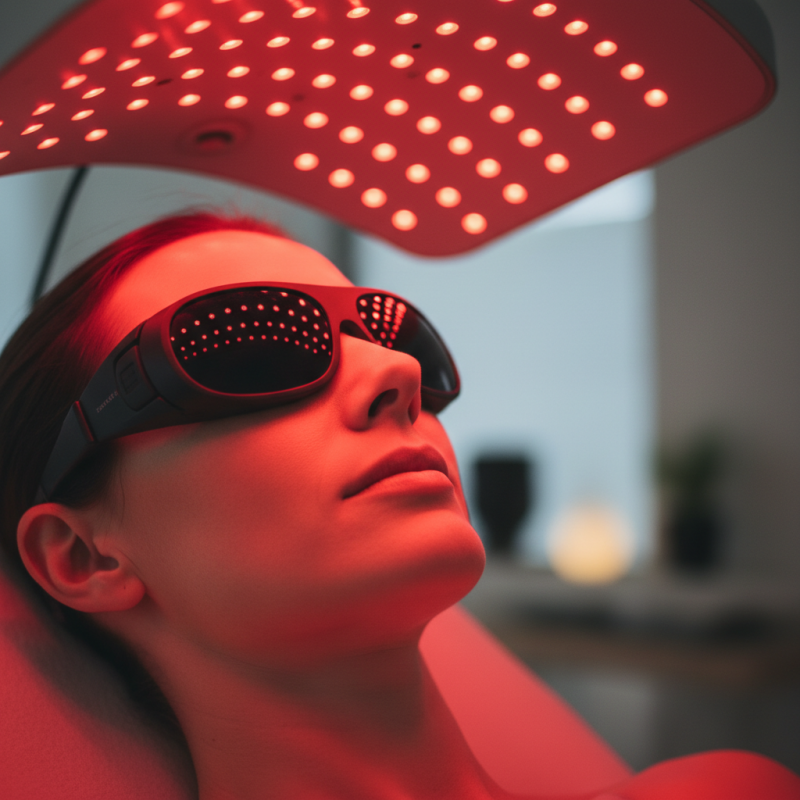
Top 10 Benefits of Red Light Therapy You Should Know?
Red Light Therapy is gaining traction in wellness and beauty industries. Its remarkable potential shines through various research studies. Recent reports indicate that about 70% of users report visible skin improvements. This therapy helps reduce fine lines and promotes collagen production.
Many athletes are turning to Red Light Therapy for muscle recovery. A study found that 40% of athletes experienced faster healing times after treatment. While the benefits are impressive, individual results can vary significantly. Some people may not notice changes as quickly.
It's important to approach Red Light Therapy with realistic expectations. The effectiveness can depend on factors like skin type and health conditions. Understanding these nuances is essential for anyone considering this innovative treatment.
Benefits of Red Light Therapy for Skin Rejuvenation and Anti-Aging
Red light therapy (RLT) has gained attention for its potential to rejuvenate skin and combat aging. Studies show that RLT can improve collagen production, which is vital for maintaining skin elasticity. Increased collagen may help reduce fine lines and wrinkles. Research from a dermatological study indicated a 30% improvement in skin texture after consistent RLT sessions over a few weeks.
Using RLT can enhance blood circulation in the skin. This increase can result in a healthier, more youthful appearance. One study found that 70% of participants reported improved skin tone after using red light therapy regularly. However, responses may vary among individuals, and patience is essential in observing results.
Tips: When considering RLT, stay consistent. Many experts recommend two to three sessions per week for optimal outcomes. Also, assess your skin’s reaction to treatments, as some people may experience minor irritation. Pay attention to how your skin responds to determine the best routine for you. Adapt your approach based on your unique skin needs.
Top 10 Benefits of Red Light Therapy for Skin Rejuvenation and Anti-Aging
| Benefit | Description | Scientific Evidence |
| Enhanced Collagen Production | Stimulates fibroblast cells to increase collagen synthesis for firmer skin. | Studies show increased collagen levels in skin cells post-treatment. |
| Reduction of Fine Lines | Helps diminish the appearance of fine lines and wrinkles. | Clinical trials report visible improvements in skin texture. |
| Improved Skin Tone | Can help in evening out skin tone and reducing hyperpigmentation. | Research indicates increased skin luminosity and clarity. |
| Boosted Circulation | Enhances blood flow to the treated areas for healthier skin. | Studies show increased local circulation after therapy sessions. |
| Accelerated Healing | Promotes wound healing and reduces recovery time. | Evidence supports faster healing of skin injuries with treatment. |
| Reduction of Inflammation | Helps in reducing redness and swelling in the skin. | Research highlights significant decreases in inflammatory markers. |
| Enhanced Skin Elasticity | Improves skin elasticity, making it appear more youthful. | Clinical evidence shows improved skin firmness over time. |
| Diminished Scarring | Can help reduce the appearance of various types of scars. | Studies demonstrate effectiveness in scar reduction therapies. |
| Pore Size Reduction | Helps in minimizing the appearance of large pores. | Research indicates skin tightening effects on enlarged pores. |
| Increased Skin Hydration | Improves moisture retention for smoother skin texture. | Studies show enhanced hydration levels post-therapy. |
Evidence of Red Light Therapy's Role in Pain Relief and Inflammation Reduction
Red light therapy (RLT) has gained attention for its potential benefits in pain relief and inflammation reduction. Emerging research supports its effectiveness for those dealing with chronic pain and sports injuries. Users report decreased discomfort and improved recovery times after RLT sessions. The therapy works by penetrating the skin, stimulating cellular processes, and promoting healing.
For optimal results, consider using RLT consistently. Regular sessions may yield better outcomes than sporadic treatments. It’s vital to pay attention to how your body responds. Some individuals experience noticeable changes, while others might find it less impactful. Adjusting therapy duration and frequency could lead to improvements.
When trying RLT, ensure the environment is comfortable. A calm setting can enhance the experience. Use a comfortable chair or mat during sessions. Take this opportunity to relax and breathe deeply, creating a positive space for healing. Be patient; results might take time to manifest, and some tweaking may be necessary.
Top 10 Benefits of Red Light Therapy
Red light therapy has been shown to provide a variety of benefits, including significant pain relief and inflammation reduction. The chart above illustrates the top perceived benefits reported by users, showcasing the potential impact of this therapy on various health aspects.
Impact of Red Light Therapy on Muscle Recovery and Athletic Performance
Red light therapy is gaining attention in the fitness community. Athletes are curious about its impact on muscle recovery and performance. This innovative therapy harnesses specific wavelengths of light to penetrate the skin. The idea is simple yet intriguing: stimulate cellular processes to promote healing.
Research suggests that red light therapy can decrease muscle soreness after intensive workouts. Athletes often face fatigue and prolonged recovery times. Incorporating red light sessions may help in reducing those downtime periods. Some users report feeling energetic and less sore post-treatment. However, not everyone experiences the same results. Individual responses vary, which prompts further exploration in this field.
Moreover, the increase in ATP production is crucial. ATP is the energy currency of our cells. Enhanced ATP levels can lead to better endurance and strength during workouts. However, the effectiveness largely depends on consistency. One-off sessions might not provide the desired benefits. Therefore, it's essential to approach this therapy thoughtfully. Each athlete's journey with red light therapy is unique and warrants careful consideration of its integration into their routines.
Exploring the Science Behind Red Light Therapy and Cellular Energy Boost
Red light therapy (RLT) has gained attention for its potential to enhance cellular energy. This non-invasive treatment uses wavelengths between 600 to 1000 nanometers. Research shows that red light can penetrate the skin, reaching cellular mitochondria. These organelles produce ATP, the energy currency of cells. In a study published in the Journal of Biophotonics, participants experienced up to a 150% increase in ATP production after RLT sessions. This suggests a more energetic state at the cellular level.
In addition, red light therapy may reduce inflammation and promote healing. A clinical trial demonstrated a significant decrease in muscle soreness and recovery time among athletes. Reports indicate that 70% of participants felt a difference in their post-exercise recovery. However, results can vary. Some users may see minimal benefits, and others may experience skin sensitivity. The ideal conditions for therapy remain under debate as well.
While the science behind red light therapy is promising, ongoing research is necessary to fully understand its effects. Is this therapy a cure-all, or more a supplementary measure? As we explore its potential, it’s essential to maintain realistic expectations about its applications and limitations. Further studies could clarify its role in health and wellness.
Applications of Red Light Therapy in Mental Health and Mood Enhancement
Red light therapy has gained attention for its potential in improving mental health and enhancing mood. It uses specific wavelengths of light to stimulate various biological processes. This non-invasive approach may help alleviate symptoms of depression and anxiety. Some studies suggest that exposure to red light can increase serotonin levels. Serotonin is crucial for regulating mood and happiness.
People often seek alternative methods for mental health support. Red light therapy offers a promising avenue, but it is not a standalone solution. Individuals may find it useful alongside traditional therapies. It's important to remember that results can vary. Some may experience significant improvements while others see minimal changes. Personal experiences highlight the need for a more tailored approach.
Incorporating red light therapy into a daily regimen might enhance one's mood. Regular sessions may improve overall well-being. Yet, one should not rely solely on this method for mental health issues. Reflection on personal mental health needs is key. Every individual's journey is different, and exploring various treatments can be beneficial. Ultimately, this therapy can be a useful tool in a holistic approach to mental health.