2026 Best LED Poster Display Trends and Innovations?
The LED Poster Display market is evolving rapidly. As we approach 2026, innovation is at the forefront. These displays are becoming more vibrant, efficient, and versatile. Businesses are now focusing on enhancing user engagement through stunning visuals.
Technological advancements are driving these changes. High resolution and energy efficiency are now standard features. Brands are pushing boundaries with interactive elements and real-time content updates. However, there are still challenges. Integrating these displays into varied environments can be complex.
Market trends show an increasing demand for customizable options. This allows businesses to tailor the content to their specific needs. Despite the advantages, some companies hesitate due to cost concerns. Balancing investment and returns is a critical reflection for many. The future of LED Poster Displays holds immense potential, yet there is room for improvement and innovation.
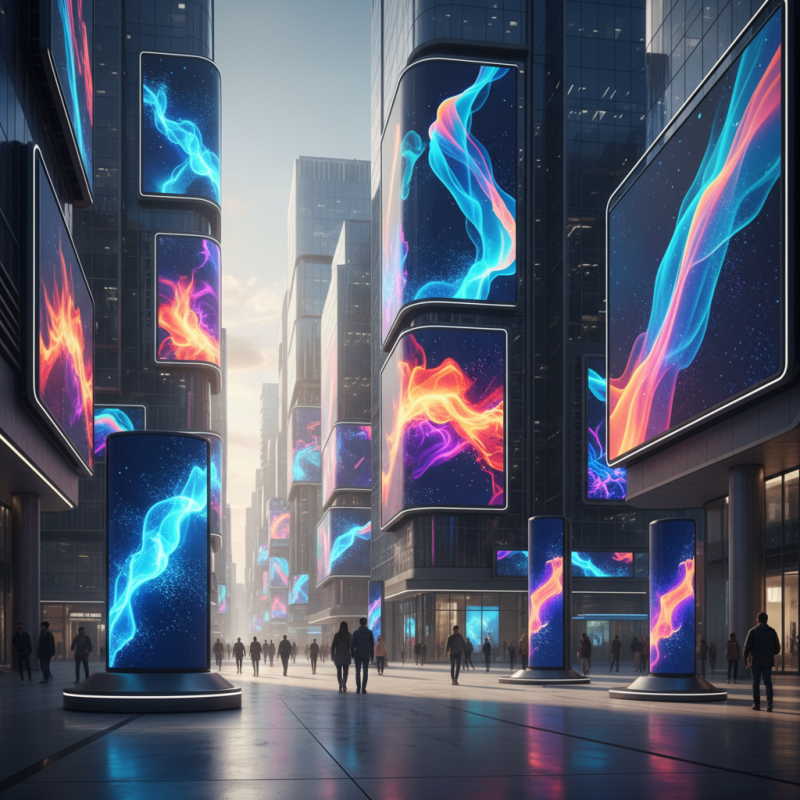
Emerging Technologies in LED Poster Displays for 2026
The LED poster display market is evolving rapidly. In 2026, trends focus on improving clarity and energy efficiency. Recent reports indicate that global demand for LED displays is expected to grow by 10% annually. This surge highlights the importance of innovation within the industry. Dynamic content and interactivity are becoming standard expectations.
Emerging technologies like microLED and flexible displays are reshaping how we view advertisements. MicroLEDs boast higher brightness with lower power consumption, making them an attractive choice. Flexible displays can be shaped to fit any environment, enhancing versatility. Reports suggest these technologies could dominate up to 30% of the market by 2026.
Tips: Invest in high-resolution displays. They attract more viewers and enhance engagement. Consider integrating AI for personalized content delivery. This strategy can significantly boost return on investment. Be cautious, though; technology evolves quickly. Monitor trends and adapt accordingly. What works today may not work tomorrow.
Key Design Trends Influencing LED Poster Displays
The evolution of LED poster displays is fascinating. Today, design trends are driving innovation in this space. A significant trend is the push for minimalism. Clean lines and simple graphics are now in vogue. This approach allows messages to stand out more effectively. Bright, vibrant colors complement this aesthetic. They attract attention without overwhelming the viewer.
Another trend is immersive experiences. Brands aim to engage viewers on multiple levels. Interactive features, such as touch screens, are gaining popularity. This adds a personal touch. However, while engaging users is important, it can sometimes create distractions. Balancing interactivity with clear messaging is a challenge. Additionally, flexible shapes and sizes are emerging. These adaptability options allow for unique installations. Yet, not all spaces can accommodate such designs.
Sustainability remains a crucial consideration. Eco-friendly materials and energy efficiencies are now essential. Consumers are becoming increasingly conscious. They often prioritize brands that reflect these values. However, the implementation of sustainable practices can be complex. Companies must navigate cost implications while ensuring product integrity. As we look ahead, finding the right balance between innovation and practical application will remain vital.
Innovative Applications of LED Poster Displays in Advertising
The advertising landscape is evolving, and LED poster displays are at the forefront. These screens are not just for displays; they serve as vital tools for engagement. According to industry reports, LED displays can boost brand recall by up to 47%. This statistic emphasizes the power of visual advertising in capturing consumer attention.
Innovative applications of LED displays are diverse. Retailers use them to showcase promotions in real-time. Indoor and outdoor environments benefit greatly from their vibrant colors and adaptability. Reports indicate a 25% increase in foot traffic when LED posters are used in storefronts. Yet, it's crucial to note that not all displays are effective. Poor content or overloading visuals can lead to confusion.
Event organizers also utilize these displays for live updates. This engagement keeps audiences informed and interested. However, balancing dynamic content with clarity is vital. Studies show that audiences can be overwhelmed by too much information. Finding that perfect mix can be challenging, but it is necessary for maximizing impact in advertising. Each innovation carries both opportunities and pitfalls.
Sustainability Trends in LED Display Manufacturing and Usage
Sustainability is becoming a driving force in LED display manufacturing. Recent reports suggest that nearly 70% of consumers prioritize eco-friendly products. LED displays, often seen as energy-efficient, are now evolving to become even greener. Manufacturers are adopting eco-conscious materials and production techniques. This move not only conserves resources but also reduces waste.
One significant trend is the shift towards recyclable components. Data indicates that around 30% of LED displays can now be recycled. This means less landfill waste and a lower environmental footprint. The industry is also exploring energy-efficient designs to cut down electricity consumption by up to 40%. This innovation aids businesses in lowering operating costs while being environmentally responsible.
Tips: Consider integrating LED displays that use sustainable materials. Explore options that allow for easy disassembly and recycling. Evaluate energy savings not just for cost efficiency but also for environmental impact. Making informed choices can lead to significant long-term benefits. Prioritizing sustainability in your procurement strategy may offer challenging decisions, but it reflects a commitment to a greener future.
Future Predictions for LED Display Interactivity and User Experience
The future of LED poster displays is set to revolutionize user interactivity and experience. Advanced technologies are emerging, making displays more engaging. Imagine walking past a digital billboard that responds to your movements. Such interactivity could enhance brand experiences significantly.
A key trend is the integration of touch-sensitive screens. Users can browse content directly on the display. This transforms passive viewers into active participants. However, not every touch interaction will be perfect. Sometimes, users may struggle with responsiveness. Testing and refining these features is essential.
Tip: Keep user experience at the forefront. Focus on intuitive designs. This is crucial for fostering engagement.
Another innovation is the use of augmented reality. Users might see additional information pop up when they approach a display. This immersive experience can deepen consumer connections. But, consider the potential distractions. A balance is necessary to avoid overwhelming the viewer.
Tip: Regularly gather user feedback on these experiences. Adjustments based on real user interactions can lead to improvements.
The evolution of LED displays promises exciting opportunities. New technologies will enhance relationships between brands and consumers. However, keeping simplicity in mind is key to ensuring successful adoption.